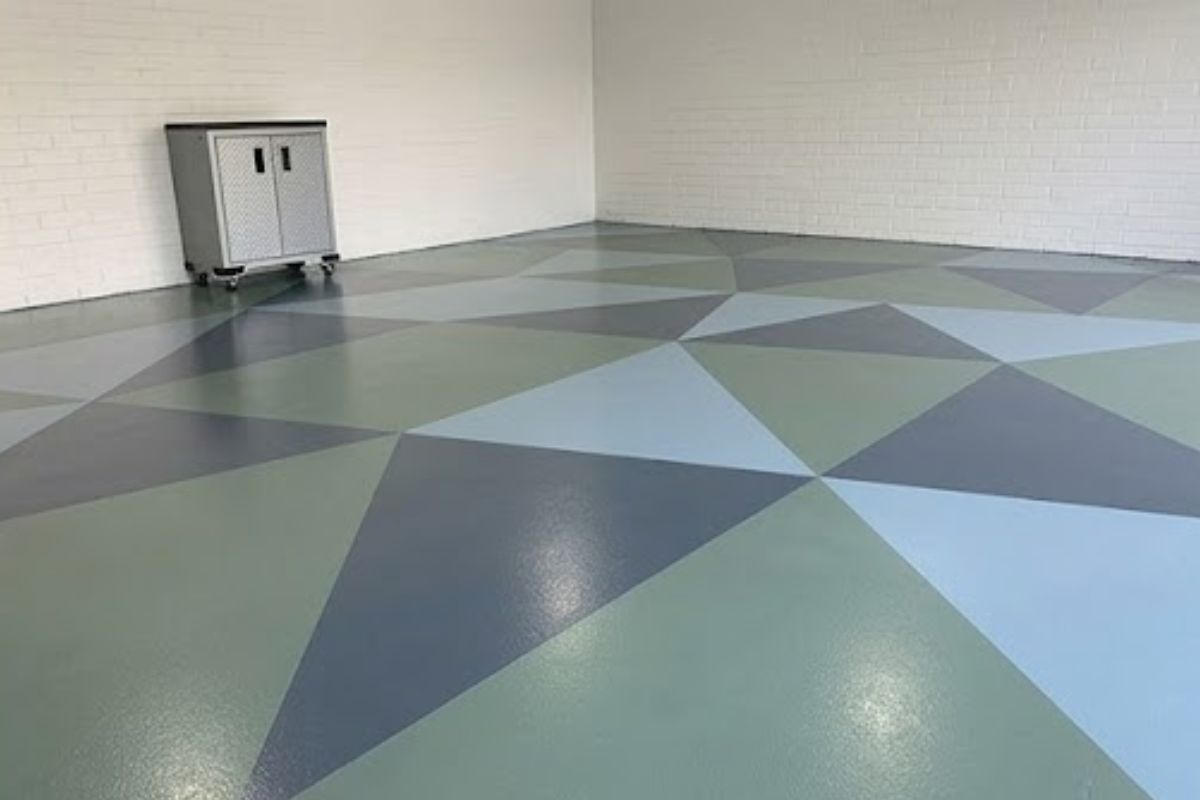
A clean, glossy garage floor can completely change how the space looks. Whether the garage doubles as a workshop, a home gym, or simply a place to park, epoxy flooring offers a durable surface that resists stains, chemicals, and everyday wear. The question many homeowners ask comes down to one thing: should you tackle the project yourself or hire a professional?
The answer depends less on the cost of the kit and more on how much time, preparation, and patience you’re willing to invest.
Why DIY epoxy flooring appeals to homeowners
The biggest reason people choose the DIY route comes down to savings. Professional epoxy installations can cost several thousand dollars depending on the garage size, while many DIY kits cost only a few hundred dollars.
For someone comfortable with painting, home repairs, or weekend renovation projects, applying epoxy doesn’t look overly complicated. Most kits include detailed instructions, and the tools required—rollers, brushes, mixing buckets, and painter’s tape—are readily available.
Another advantage involves flexibility. You can complete the work over a weekend without scheduling contractors or waiting weeks for an installation date.
Many homeowners also enjoy customizing the floor by adding decorative flakes or choosing different finishes, from high-gloss to satin.
The preparation matters more than the coating
The actual rolling of epoxy onto the floor often takes less time than preparing the concrete.
- Removing oil stains and grease
- Repairing cracks or chips
- Cleaning away dust and debris
- Etching or grinding the concrete for proper adhesion
- Allowing the surface to dry completely
Skipping any of these steps increases the chance that the coating will peel, bubble, or wear unevenly within months.
Many first-time DIY installers underestimate how much work comes before opening the epoxy containers. A floor that looks clean may still contain contaminants that prevent the coating from bonding properly.
Common mistakes that shorten the lifespan
DIY epoxy floors often fail because of preparation errors rather than poor-quality products.
One frequent mistake involves applying epoxy over damp concrete. Moisture trapped beneath the coating can create bubbles or cause sections to lift later.
Incorrect mixing also causes problems. Most epoxy products require precise ratios and have a limited working time once combined. Mixing too much at once can leave the material hardening in the bucket before it reaches the floor.
Temperature plays a role as well. Applying epoxy in very cold or humid conditions may affect curing and produce an uneven finish.
Even rolling technique matters. Applying coats too thickly can create streaks or soft spots that remain tacky long after drying.
When DIY makes sense
Many homeowners achieve excellent results with DIY kits under the right conditions.
A DIY project works well when:
- The concrete remains in good condition.
- The garage has minimal cracks.
- You’re willing to spend most of the first day on cleaning and repairs.
- You carefully follow the manufacturer’s instructions.
- Minor cosmetic imperfections won’t bother you.
For garages that receive normal vehicle traffic and light workshop use, a properly installed DIY epoxy floor can last several years before needing touch-ups.
When hiring a professional makes more sense
Some garages present challenges that exceed what most DIY kits handle well.
Older concrete may contain extensive cracking, moisture problems, or previous coatings that require industrial grinding equipment. Professional installers often use commercial-grade materials that provide greater thickness and durability than consumer products.
Large three-car garages also increase the pressure. Once epoxy begins curing, working quickly becomes important. A professional crew can coat the entire surface evenly before the material starts setting.
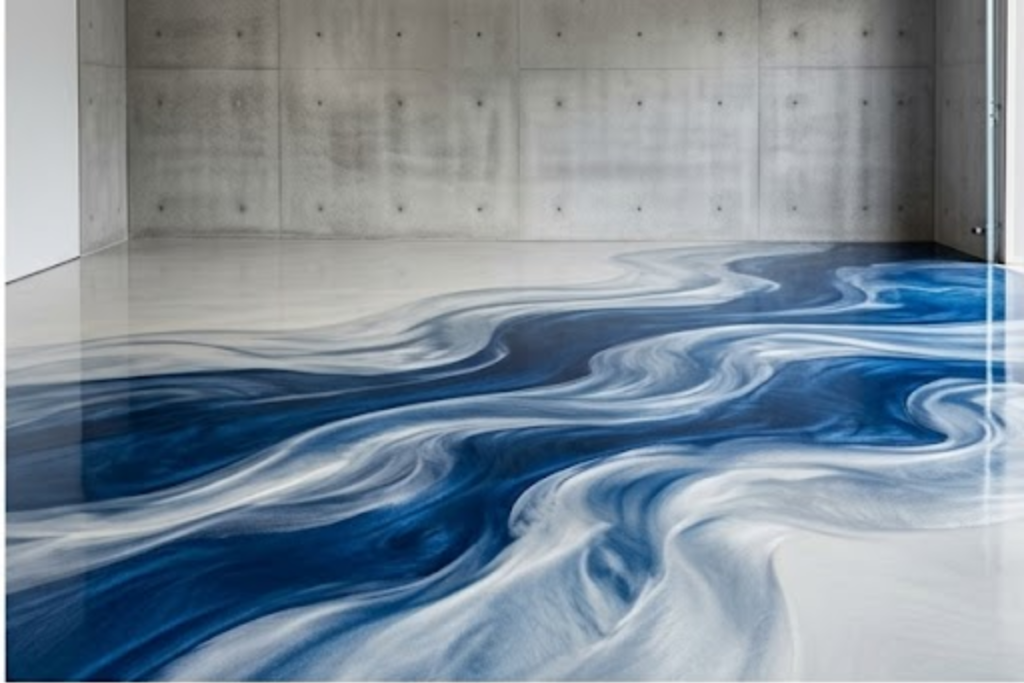
If you’re looking for a showroom-quality finish with perfectly blended flakes and a glass-like appearance, professional installation usually produces more consistent results.
Comparing the costs
At first glance, DIY appears much cheaper.
A typical two-car garage may require:
- Epoxy kit
- Concrete cleaner
- Crack filler
- Rollers and brushes
- Safety equipment
- Optional decorative flakes
- Concrete grinder rental if needed
Once those items are added together, the total often climbs beyond the advertised price of the kit.
Professional installation still costs more, but that price generally includes preparation, repairs, specialized equipment, materials, and labor.
The real comparison comes down to whether you value saving money or reducing the chance of mistakes.
So, is it worth doing yourself?
For many homeowners, yes—but only if you treat preparation as the main project rather than the coating itself.
DIY epoxy flooring rewards patience more than speed. Rushing through cleaning or skipping repairs often leads to disappointing results, regardless of how expensive the epoxy may be.
If your garage floor remains structurally sound and you’re comfortable following detailed instructions, completing the project yourself can deliver a clean, durable finish while keeping costs manageable.
On the other hand, garages with damaged concrete, moisture issues, or high expectations for appearance often justify professional installation. Paying more upfront may prevent peeling, repairs, or a complete redo later.
Before buying a kit, take an honest look at your concrete. The condition of the floor—not the epoxy itself—usually determines whether a DIY project ends with a garage you’ll enjoy for years or a weekend project that needs another attempt sooner than expected.