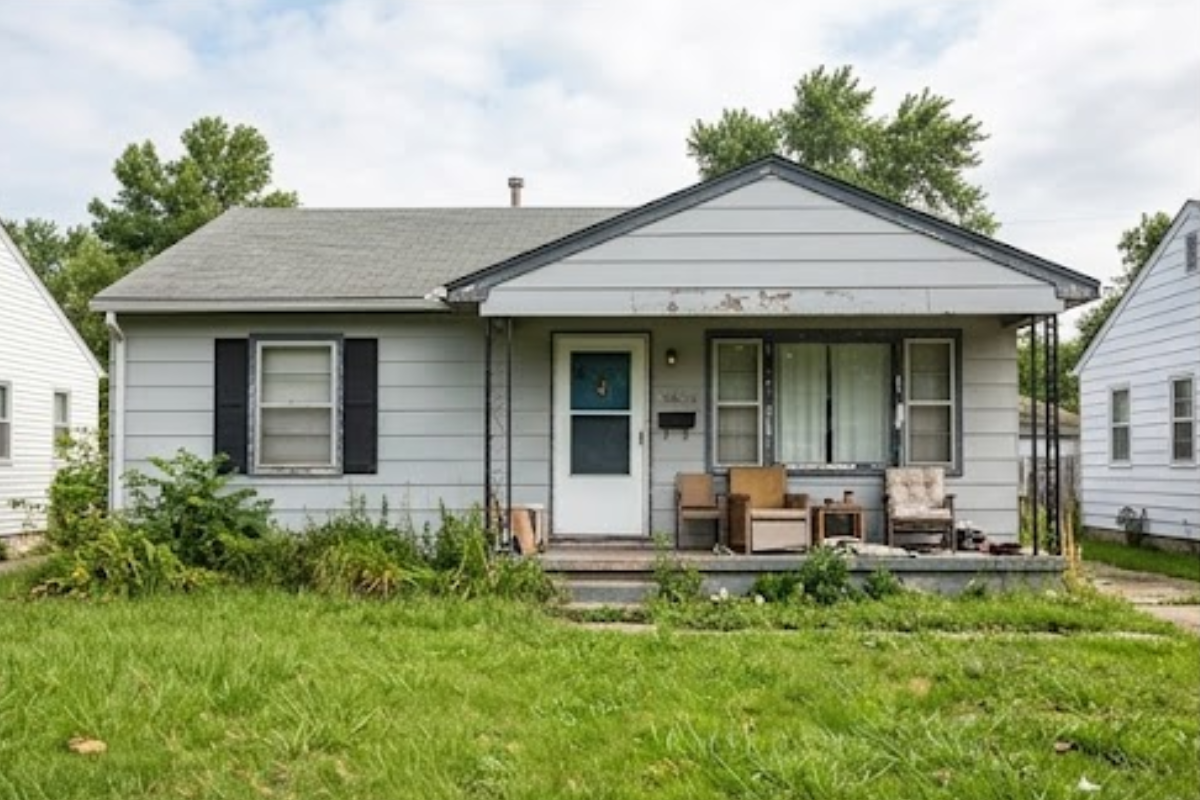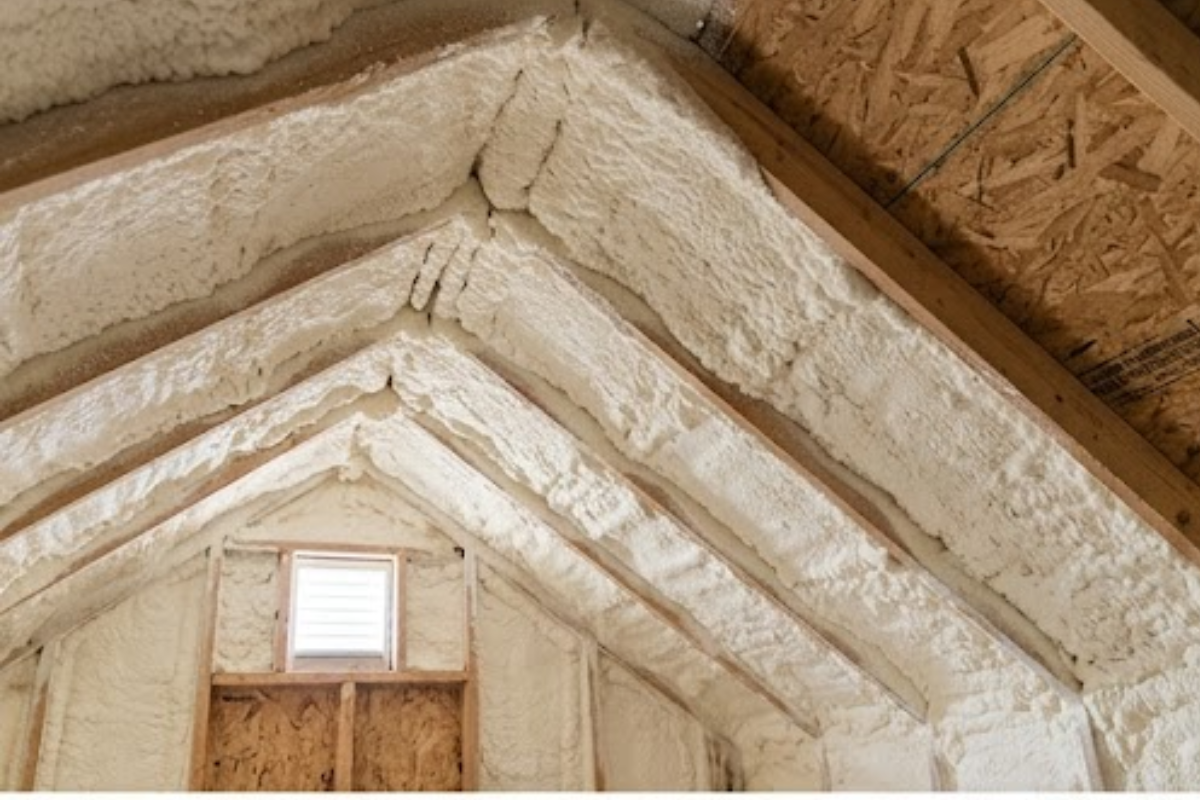
Spray foam insulation often comes with a higher upfront price than fiberglass batts or blown-in cellulose, making many homeowners pause before choosing it. Yet price alone rarely tells the full story. Heating and cooling costs, air leaks, moisture problems, and long-term maintenance all affect whether the investment pays off.
For some homes, spray foam delivers noticeable savings and comfort. For others, a more affordable insulation option may provide better value. The answer depends on the home’s condition, climate, and renovation goals.
What Makes Spray Foam Different?
Unlike traditional insulation that mainly slows heat transfer, spray foam expands after application and fills cracks, gaps, and hard-to-reach spaces. That expansion helps reduce unwanted airflow, one of the biggest causes of energy loss in many homes.
Two common types exist:
- Open-cell spray foam expands more, remains softer after curing, and typically costs less. It’s often used for interior walls, ceilings, and attic spaces.
- Closed-cell spray foam has a denser structure, delivers a higher insulating value per inch, and adds moisture resistance. It also costs more but works well in crawl spaces, basements, and exterior walls.
Choosing between them depends on the location, budget, and performance goals.
Where the Money Goes
Spray foam installation costs more because it requires specialized equipment, trained installers, and careful preparation. The material itself also carries a higher price than many traditional insulation products.
However, installation costs vary based on several factors:
- Home size
- Thickness of insulation
- Type of spray foam
- Accessibility of the work area
- Local labor rates
Retrofitting an older home often costs more than insulating new construction because existing drywall or other materials may need removal.
Potential Energy Savings
One reason homeowners choose spray foam involves lower utility bills.
Air leaks around wall cavities, attic penetrations, windows, and rim joists force heating and cooling systems to work harder. Since spray foam seals many of those gaps while insulating, conditioned air stays inside more effectively.
Homes with poor insulation or noticeable drafts often experience the biggest improvements. Newer homes that already have good insulation may see smaller reductions in energy use.
Savings differ from one property to another, so homeowners shouldn’t expect identical results.
Comfort Beyond the Utility Bill
Monthly savings often receive the most attention, but comfort can matter just as much.
A well-insulated home usually maintains more consistent indoor temperatures throughout the day. Rooms near exterior walls or above garages may feel less chilly during winter and less hot during summer.
Many homeowners also notice:
- Fewer drafts
- Less outside noise
- Reduced dust entering through air leaks
- Better humidity control in certain parts of the home
Those benefits may improve everyday living even if utility savings remain modest.
Moisture Protection Matters
Closed-cell spray foam can help limit moisture movement in areas that commonly experience damp conditions. That makes it a popular choice for crawl spaces, basement walls, and some exterior applications.
Reducing moisture intrusion may lower the chance of mold growth caused by condensation inside wall cavities. Still, spray foam doesn’t solve every moisture problem. Roof leaks, plumbing issues, or poor drainage require separate repairs before insulation gets installed.
Situations Where Spray Foam Makes Sense
Spray foam often delivers good value when:
- An older home has noticeable drafts.
- The attic allows significant air leakage.
- Heating and cooling bills remain unusually high.
- The home includes irregular framing or difficult-to-insulate spaces.
- A major renovation already exposes wall cavities.
Because installation becomes easier during remodeling, adding spray foam at that stage may cost less than opening finished walls later.
When It May Not Be Worth the Extra Cost
Not every home needs premium insulation.
If existing insulation performs well and energy bills already stay reasonable, replacing everything with spray foam may take many years to recover through savings.
Budget-conscious homeowners sometimes benefit more from targeted improvements, including:
- Sealing obvious air leaks
- Adding attic insulation
- Improving weatherstripping around doors and windows
- Upgrading duct insulation
Those projects often deliver noticeable results at a lower cost.
Things to Consider Before Hiring an Installer
Proper installation affects performance just as much as the material itself.
An experienced contractor should evaluate ventilation, moisture conditions, insulation thickness, and the home’s overall building envelope before beginning work. Poor installation can reduce effectiveness and create problems that become expensive to correct.
Homeowners should request detailed estimates, compare insulation options, and ask exactly where spray foam will be applied rather than assuming every area requires the same treatment.
Final Thoughts
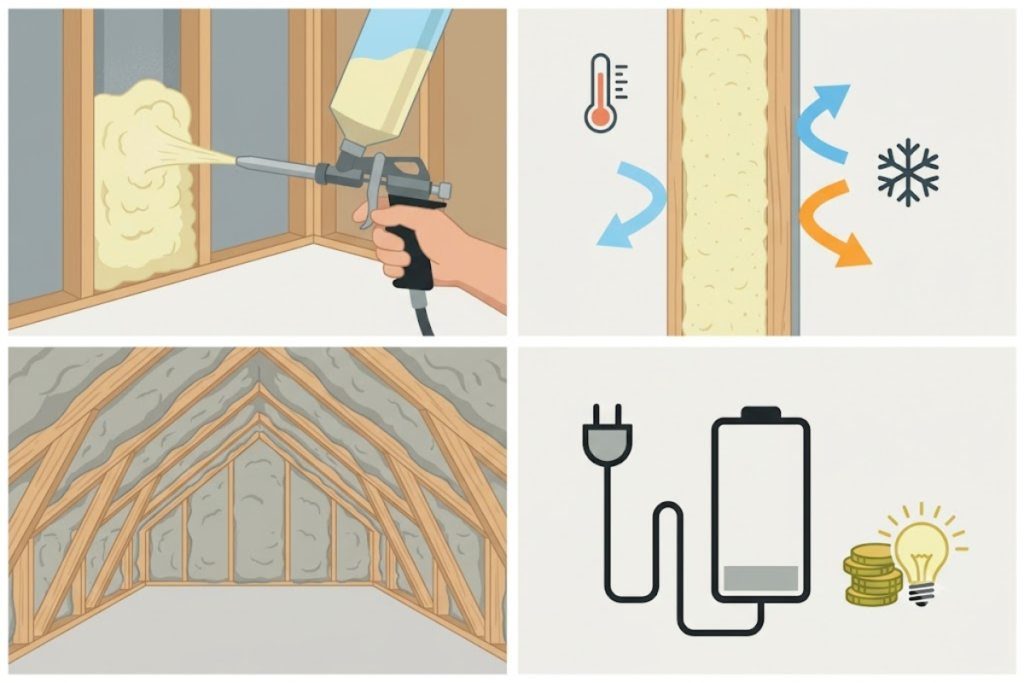
Spray foam insulation can make financial sense for homes with significant air leaks, aging insulation, or ongoing comfort problems. Although the initial expense exceeds many traditional insulation materials, lower energy use, improved indoor comfort, and better air sealing may offset part of that cost over time.
For homes that already perform efficiently, the extra investment may offer only modest returns. Looking at current energy bills, the home’s condition, and planned renovations provides a clearer picture than comparing installation prices alone. In many cases, the best choice balances upfront spending with the improvements homeowners expect over the years ahead.