Common minimalist home benefits include less visual clutter, easier cleaning, more open floor space, and simpler daily organization. A minimalist home does not need to feel empty; the goal is to keep useful and meaningful belongings while giving each item enough room.
Minimal homes are not necessarily empty or stark. The idea focuses more on keeping what you use and enjoy while giving those things enough room. That simple change can affect how a room looks, feels, and functions.
1. Less Visual Clutter
A crowded room gives the eyes plenty to process. Books, decorations, furniture, cables, storage boxes, and miscellaneous objects can compete for attention even when you are not consciously noticing them.
With fewer objects in view, the room can feel easier to take in. Clear surfaces and open areas create a quieter visual setting, which can make the space feel more relaxed.
This does not mean every surface needs to remain completely bare. A lamp, plant, framed picture, or a few personal items can still add character without making the room feel busy.
2. More Open Floor Space
Furniture takes up more visual space than its physical dimensions suggest. A sofa, coffee table, chairs, and cabinets can quickly make a room feel cramped.
Removing furniture that rarely gets used creates more open floor area. Even a small living room can feel noticeably different when there is enough space to walk around without constantly navigating between objects. These tips to brighten a dark room can also make a compact space feel more open.
The same idea works in bedrooms. A bed, nightstand, wardrobe, and a few carefully chosen pieces may provide everything needed without filling every available corner.
3. Easier Cleaning
Fewer possessions usually mean fewer things to dust, move, wipe, or clean around.
A crowded kitchen counter, for example, can turn a simple wipe-down into a small project. Appliances, containers, utensils, and decorative objects may all need to be moved first. A mostly clear counter can take a fraction of the time.
The benefit goes beyond speed. When cleaning feels easier, it can become less tempting to put it off.
4. Everyday items become easier to find
Too many belongings can make ordinary tasks surprisingly frustrating. A drawer packed with unused items makes finding one particular object harder. A closet filled beyond capacity can turn choosing clothes into a daily search.
Minimal living reduces the number of things competing for space. Items used regularly can have obvious places to go, making them easier to locate and put away.
That sense of order can make everyday routines feel smoother without requiring complicated organization systems. For utility areas, try these garage storage ideas.
5. Comfortable homes leave room to live
A room filled from wall to wall leaves little flexibility. Once the furniture and possessions take over, there may be nowhere to stretch out, move around, or change the layout.
Minimal rooms leave some breathing room. You can pull a chair away from a table, move around freely, or rearrange furniture when your needs change.
This flexibility can make a home feel more practical rather than simply more attractive. Before making larger changes, compare home improvements that may increase resale value.
6. Fewer possessions can make favorite things stand out
When every wall has decorations and every shelf has objects, individual pieces can lose some of their visual impact.
A favorite painting, photograph, chair, or piece of pottery can attract more attention when it has some empty space around it. The item does not need to compete with ten other decorations.
This can also make a home feel more personal. Instead of displaying everything, you get to choose the things that actually mean something to you.
7. Minimal does not have to mean cold
One common misconception about minimal homes involves white walls, empty rooms, and a lack of personality. Minimalism can look very different from that.
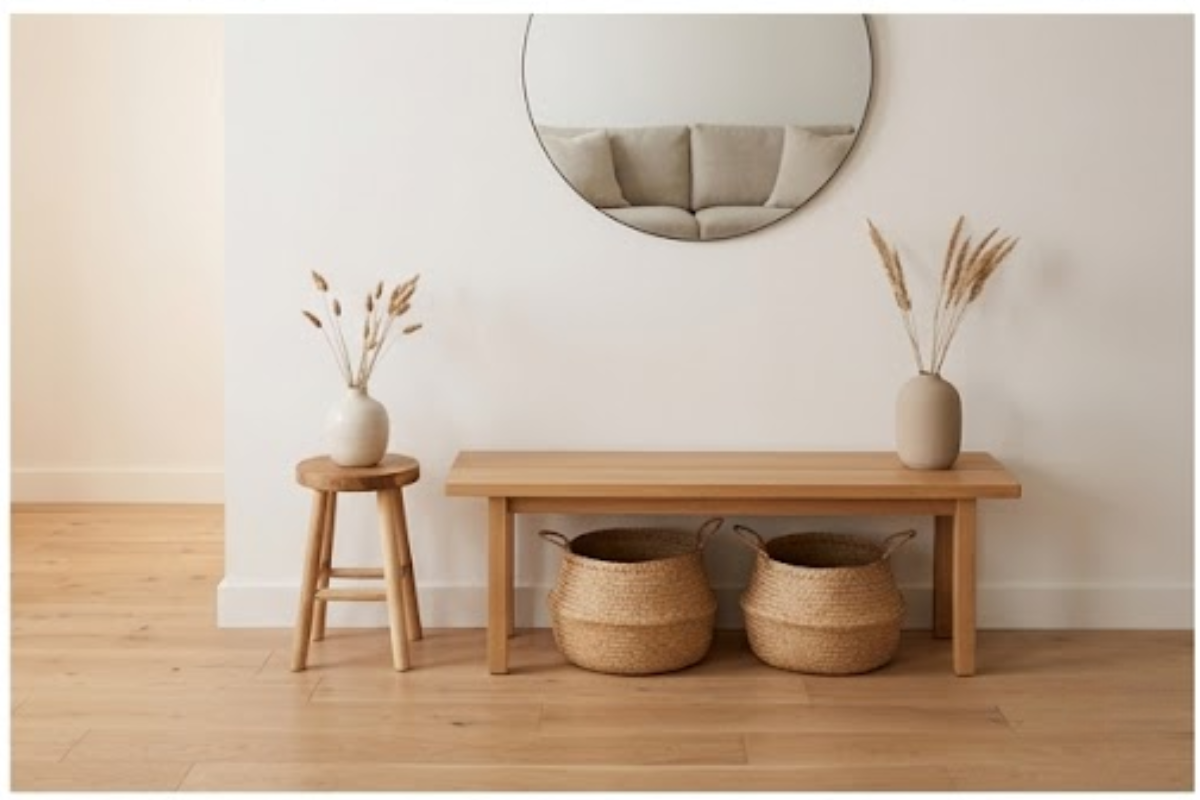
Soft lighting, comfortable fabrics, wooden furniture, rugs, books, artwork, plants, and personal belongings can all fit into a minimalist space. The difference comes from using fewer items and giving each one enough room.
A comfortable minimalist home often feels intentional rather than bare.
8. Less visual noise can make relaxing easier
After a busy day, coming home to another crowded environment may not feel particularly restful. A simpler room can provide a noticeable contrast.
There are fewer objects demanding attention, fewer things that need to be moved, and fewer unfinished organizing tasks sitting in plain sight.
That does not magically solve stress, but the physical environment can feel easier to settle into when it contains less visual noise.
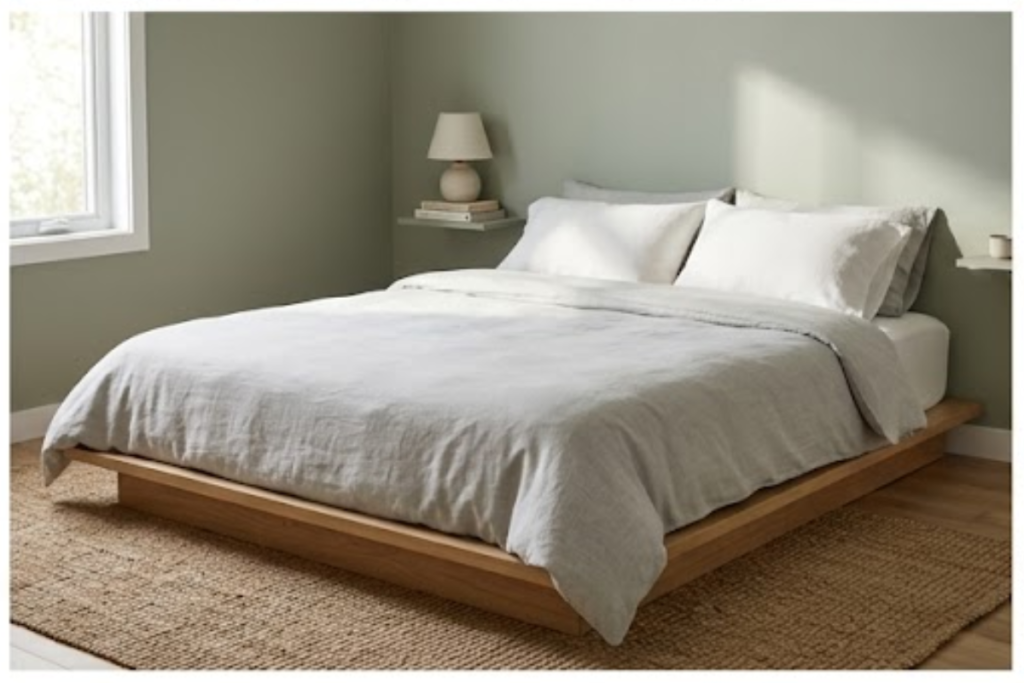
Minimalist Home Benefits Come From Having Enough
The minimalist home benefits often come from leaving space for the things that matter: movement, rest, hobbies, conversation, and everyday routines.
The goal does not need to involve getting rid of everything. A practical approach can be as simple as removing items that rarely get used, keeping surfaces manageable, and choosing furniture that fits the room.
When possessions stop competing with the space itself, a home can feel quieter, easier to maintain, and more comfortable to live in.