Home upgrades can do more than change the way a house looks. The right projects can lower recurring expenses, reduce maintenance, improve comfort, and make a property easier to live in as needs change. For U.S. homeowners, upgrades that improve efficiency or replace aging systems can also make sense when planning for the next several years.
Here are seven home improvements worth considering when the goal goes beyond a quick cosmetic refresh.
1. Upgrade the Home’s Insulation
Adding insulation to an attic, walls, crawl space, or basement can make indoor temperatures easier to manage throughout the year. A well-insulated home generally needs less heating and cooling to maintain a comfortable temperature.
Attic insulation often makes a practical starting point because heat can move through the upper part of a house relatively easily. Before adding new material, homeowners can have the existing insulation checked for gaps, moisture problems, or areas with poor coverage.
The payoff comes gradually through lower energy use and more consistent indoor temperatures. Better insulation can also make rooms feel less drafty during winter.
2. Install a Heat Pump
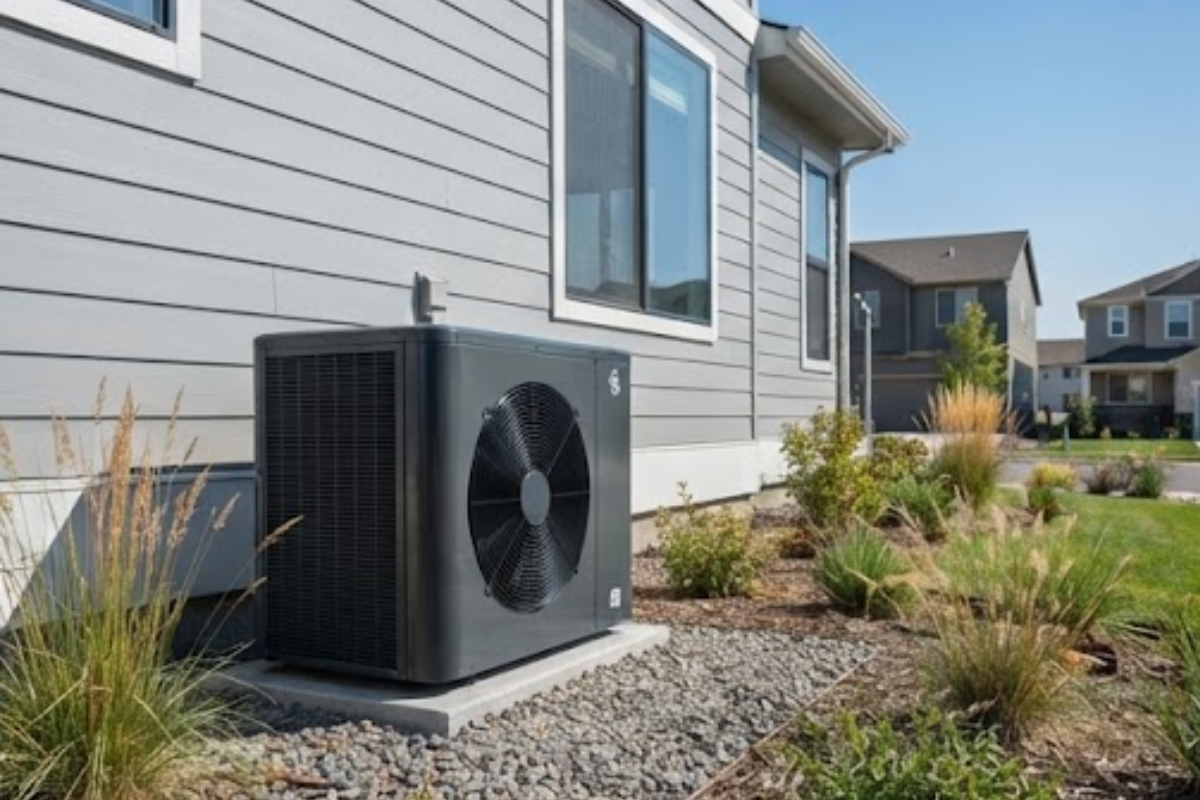
A heat pump can provide both heating and cooling from one system. Unlike traditional furnaces that generate heat by burning fuel, heat pumps move heat from one place to another.
Air-source heat pumps work particularly well in many parts of the U.S., while newer cold-climate models can handle lower outdoor temperatures. Homeowners replacing an aging HVAC system may want to compare a heat pump with another conventional replacement before making a decision.
Maintenance and installation costs vary by home, climate, electrical setup, and equipment. The potential long-term savings come from energy efficiency and having one system capable of handling both heating and cooling.
3. Replace Old Windows Where It Makes Sense
Replacing every window in a home can become an expensive project, so a targeted approach can make more sense. Drafty, damaged, or poorly performing windows can allow conditioned air to escape and outdoor temperatures to affect indoor comfort.
Modern energy-efficient windows can reduce unwanted heat transfer. Low-emissivity, or low-E, glass uses a special coating that helps control how much heat passes through the window.
Homeowners considering replacement can compare the condition of existing frames, expected energy savings, and local climate before committing to a whole-house project.
4. Add Smart Home Controls
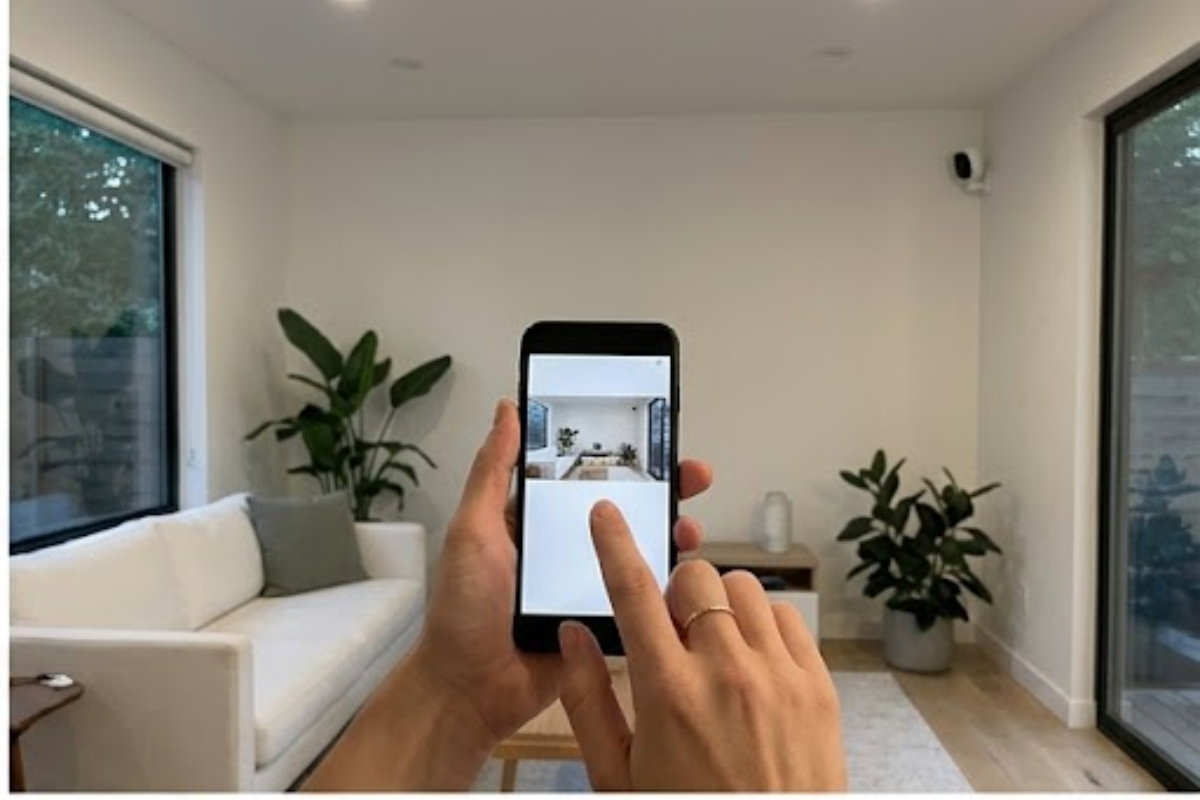
Smart thermostats, leak sensors, lighting controls, and energy monitors can make everyday home management easier without requiring major construction.
A smart thermostat, for example, can adjust heating and cooling schedules automatically. Water-leak sensors can send an alert when they detect moisture near a washing machine, water heater, sink, or other vulnerable area.
The technology also fits into a broader smart home setup, which connects household devices through networks and automated controls. Wikipedia’s smart home overview
These upgrades tend to cost less than major renovations while potentially helping homeowners catch problems earlier and avoid unnecessary energy use.
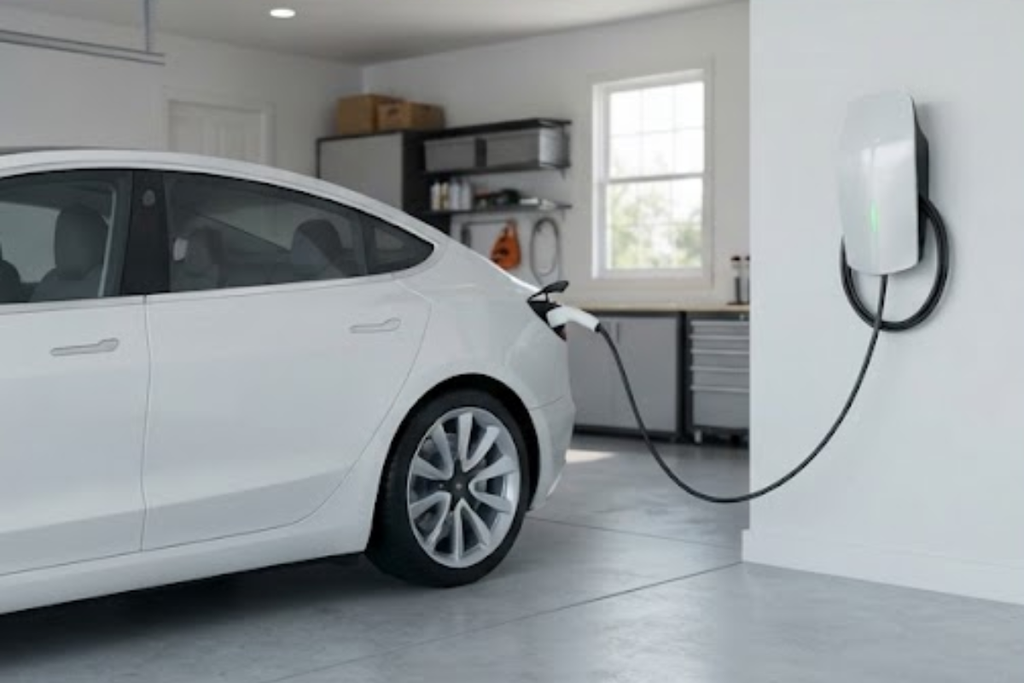
5. Prepare the Home for an Electric Vehicle
Even if you don’t own an electric vehicle today, preparing a garage for one can make a future purchase simpler. A dedicated 240-volt circuit can support many Level 2 home chargers, although electrical requirements vary by vehicle and charger.
An electrician can evaluate the home’s electrical panel and determine whether it can handle the additional load. In older houses, an electrical panel upgrade may become part of the project.
The benefit isn’t limited to charging convenience. A properly planned electrical system can also provide more capacity for other future upgrades that increase household electricity use.
6. Improve Water Efficiency
Low-flow showerheads, efficient toilets, leak detection, updated faucets, and better irrigation controls can reduce water consumption without requiring a major remodel.
Older toilets can use considerably more water per flush than newer high-efficiency models. Small leaks can also waste water continuously, making leak detection useful in areas such as bathrooms, kitchens, basements, and utility rooms.
For homeowners planning a larger renovation, water-efficient plumbing fixtures can be incorporated while walls and floors already sit open.
7. Make the Home More Accessible
Future-proofing doesn’t only involve technology and energy. Wider doorways, better lighting, fewer trip hazards, lever-style handles, and a main-floor bedroom or bathroom can make a home easier to use as household needs change.
A curbless shower, for example, can work well for a wide range of ages and mobility levels. Grab-bar blocking can also be installed behind bathroom walls during a renovation, even if grab bars aren’t needed immediately.
These changes can make daily life easier without giving a home an institutional appearance.
Choosing Upgrades That Pay Off
The best long-term projects usually solve a real problem while reducing future expenses or maintenance. Before starting, compare the upfront investment with expected energy savings, repair costs, useful life, and how long you expect to remain in the house.
A new kitchen may change the appearance of a property overnight, but improvements such as insulation, efficient HVAC equipment, water controls, electrical capacity, and accessibility can keep delivering benefits long after the renovation crew leaves.