The right appliance upgrade can remove small annoyances from your daily routine. A quieter dishwasher, a washer that adjusts its cycle, or an oven that heats more evenly can save time without requiring a major change to how you use your home. With many modern appliances adding useful automation and efficiency features, replacing an aging model can sometimes make more sense than simply repairing the same old inconvenience.
Here are seven appliance upgrades worth considering for a U.S. household.
1. Upgrade to a Quiet, Efficient Dishwasher
If your dishwasher leaves dishes wet, needs multiple cycles, or sounds like a small construction project, a newer model can make cleanup much easier.
Modern dishwashers can include adjustable racks, dedicated jets, soil sensors, filtration systems, and improved drying options. Some models also run quietly enough that you can use them while watching TV or having a conversation nearby.
A connected dishwasher can send an alert when the cycle finishes or notify you about certain problems. However, Wi-Fi should probably come after cleaning and drying performance when comparing models. Consumer Reports notes that smart features can be useful, but they don’t necessarily solve the biggest dishwasher complaints.
For a basic introduction to household machines, home appliance categories include everything from dishwashers and refrigerators to washing machines and ovens.
2. Replace an Aging Refrigerator
An older refrigerator can create daily frustrations that you may simply have gotten used to. Uneven temperatures, cramped shelves, poor door storage, or excessive frost can make grocery storage harder than it needs to be.
A newer refrigerator can provide adjustable shelving, larger door bins, better freezer organization, humidity-controlled drawers, and more consistent temperature control. French-door designs can also make frequently used fresh foods easier to reach without opening a large freezer compartment.
Energy use deserves attention, too. Consumer Reports’ 2026 testing shows substantial differences in annual operating costs between refrigerator models, making energy consumption worth checking before buying.
3. Move to a Washer With Automatic Cycle Selection
Laundry becomes less tedious when you don’t have to guess which cycle, temperature, or spin setting to use.
Newer washing machines can automatically adjust parts of the wash based on load size or fabric type. Larger drums can also reduce the number of loads for households that regularly wash bedding, towels, or family-sized laundry baskets.
Some connected washers can send phone notifications when a load finishes. Certain washer-and-dryer combinations can also communicate with each other, helping coordinate drying settings after the wash ends.
4. Upgrade to a Heat Pump or Moisture-Sensing Dryer
If you’re still using a dryer that runs for a fixed amount of time, moisture sensing can make laundry less of a guessing game.
Instead of simply running for the selected duration, a moisture-sensing dryer can detect when clothes have reached the desired dryness and adjust the cycle accordingly. That can help prevent clothes from sitting in excessive heat after they have already dried.
For households doing several loads each week, this small change can make laundry feel more automatic.
5. Replace an Older Range With an Induction Model
An induction cooktop can make everyday cooking easier through fast heating and precise temperature control. The cooking surface itself stays relatively cooler than traditional electric or gas cooking surfaces because induction transfers energy directly to compatible cookware.
Cleanup can also become simpler because the flat surface has fewer places for spilled food to collect.
Before switching, check your cookware. Induction cooking requires magnetic-compatible pots and pans, so some households may need to replace part of their cookware collection.
6. Choose a Wall Oven or Oven-Microwave Combination
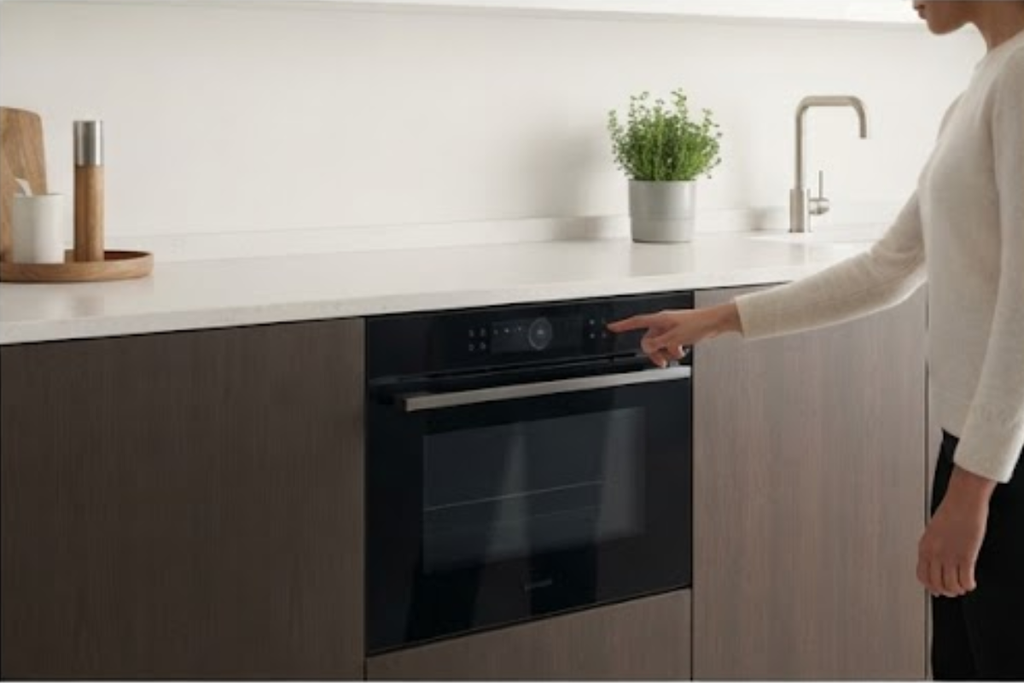
A wall oven can make cooking more comfortable by moving the oven cavity higher off the floor. That means less bending when checking food or lifting out a heavy casserole.
For smaller kitchens, a wall oven with a microwave above or beside it can also reduce countertop clutter. Combination designs can provide separate cooking functions without requiring two large countertop appliances.
Consumer Reports includes wall ovens and wall oven-microwave combinations among the major kitchen appliance categories it evaluates.
7. Add a Smart Appliance Where It Actually Helps
Not every appliance needs Wi-Fi. A connected feature makes the most sense when it solves a recurring annoyance.
A smart washer can tell you when laundry finishes. A smart oven can send notifications when preheating completes. A refrigerator can alert you when its door remains open. A dishwasher can let you check cycle status from your phone.
These features can be handy, but they shouldn’t distract from basics such as reliability, cleaning performance, capacity, noise, and operating costs. Connected appliances can also involve privacy and software-support considerations, so it’s worth checking what the manufacturer’s app actually does before paying extra.
The best appliance upgrade doesn’t necessarily come with the most buttons or the most technology. Sometimes the better choice simply means a quieter machine, easier loading, faster cooking, or less time spent checking whether a cycle has finished.