Quartz countertops often cost more than laminate, tile, butcher block, and many granite options. That higher price can make homeowners pause before choosing them for a kitchen or bathroom remodel. The question comes down to what you get in return for the extra money.
For many households, quartz earns its price through durability, simple maintenance, and a consistent appearance. That doesn’t mean it’s the right choice for every project. Budget, cooking habits, design preferences, and long-term plans all matter.
What makes quartz different?
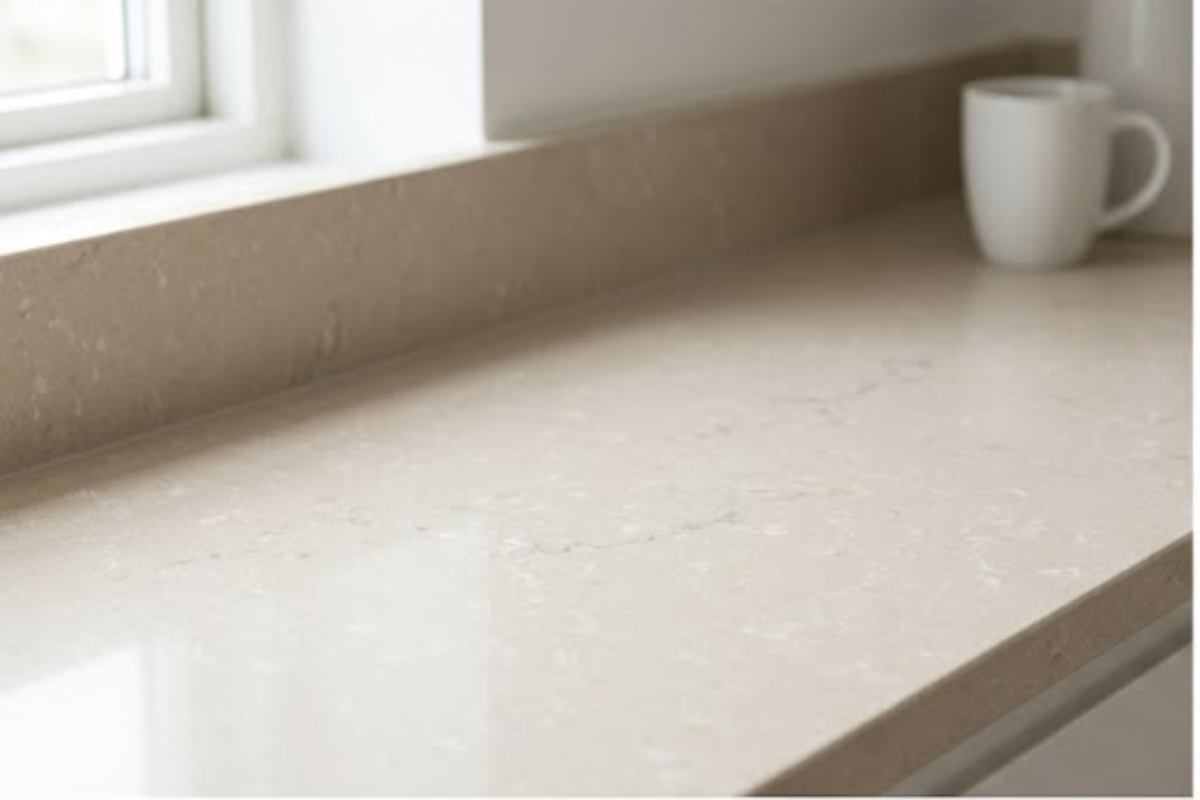
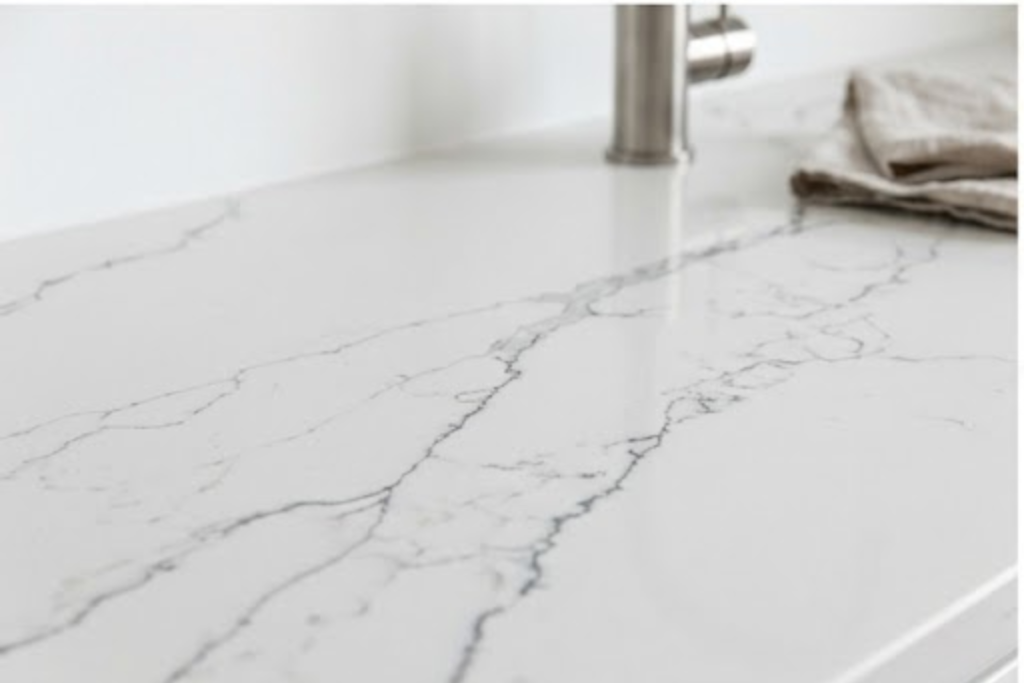
Quartz countertops combine natural quartz crystals with resins and pigments to create a solid surface. Unlike natural stone slabs, manufacturers control the color and pattern during production. That gives buyers plenty of choices, from plain white surfaces to dramatic veining that resembles marble.
Since the material doesn’t contain natural cracks or pores like granite or marble, it offers a more uniform look across the entire countertop.
The higher upfront cost
Quartz generally ranks among the more expensive countertop materials. Prices depend on the brand, thickness, edge profile, and installation complexity, but homeowners often spend more on quartz than on laminate, ceramic tile, or butcher block.
Installation adds to the bill because quartz slabs weigh a great deal and require professional cutting and fitting. While the initial investment may feel steep, some buyers view the longer lifespan as part of the value equation.
Easy maintenance makes a difference
One reason many people choose quartz involves its low-maintenance nature.
Unlike natural stone that may need periodic sealing, quartz only requires routine cleaning with mild soap and water. Most spills wipe away quickly without leaving stains when cleaned promptly.
That simplicity appeals to busy families who don’t want another item on their home maintenance checklist.
Strong enough for everyday life
Kitchen countertops handle plenty of abuse. Pots, pans, grocery bags, small appliances, and daily meal preparation all put surfaces to work.
Quartz resists scratches better than many countertop materials and stands up well to normal household use. It also handles common kitchen spills from coffee, juice, cooking oil, and sauces without much trouble.
No countertop can resist every accident, though. Heavy impacts from cast iron cookware or dropping a sharp object on an edge may still cause chips.
Stain resistance
One area where quartz performs well involves stain resistance.
Its non-porous surface makes it difficult for liquids to soak into the material. Red wine, coffee, tomato sauce, and cooking oils usually remain on the surface rather than penetrating the countertop.
That quality also makes cleanup easier after preparing meals.
Heat still requires caution
Many buyers assume quartz handles heat as well as natural stone. That isn’t always true.
The resins that bind the material together can become damaged by very hot cookware. Setting a hot pan directly from the oven onto the countertop may leave discoloration or even cause cracking.
Using trivets or heat pads remains the safest approach.
Appearance stays consistent
Natural stone attracts buyers because every slab looks different. Quartz appeals to people who prefer predictable patterns and colors.
If your kitchen includes a large island or multiple countertop sections, matching pieces becomes much easier with quartz than with many natural stones.
Manufacturers also produce colors that don’t exist in nature, giving homeowners more flexibility during a renovation.
Does quartz add resale appeal?
Many homebuyers appreciate updated kitchens, and quartz countertops often leave a positive impression during home tours.
That doesn’t guarantee a higher selling price or a full return on the installation cost. Local housing markets, the home’s condition, and the overall renovation quality influence resale value far more than a single upgrade.
Still, quartz remains a feature many buyers recognize and appreciate.
When quartz may not make sense
Quartz doesn’t fit every budget or design goal.
A rental property with a tight renovation budget might benefit more from durable laminate. Homeowners who enjoy the unique movement and character of natural stone may prefer granite or marble despite the additional maintenance.
Those creating a rustic kitchen sometimes choose butcher block for its warmer appearance, even though it requires more care over time.
So, is quartz worth the higher price?
For homeowners planning to stay in their home for several years, quartz often makes financial sense. It offers durability, simple cleaning, reliable stain resistance, and a polished appearance that holds up well through everyday use.
If keeping renovation costs as low as possible ranks as the top priority, less expensive countertop materials can still perform well when properly maintained.
Rather than focusing only on the purchase price, think about how the countertop will fit your daily routine. A surface that requires little upkeep and continues looking good after years of cooking, entertaining, and family life may prove worth paying for.