A kitchen or bathroom can start to look dated long before the cabinets or countertops wear out. Many homeowners want a fresh look without taking on a full renovation, and that has pushed peel-and-stick backsplashes into the spotlight. These self-adhesive panels offer a simple way to change the appearance of a room with basic tools and a free afternoon.
Unlike traditional tile installation, which often calls for mortar, grout, and specialized equipment, peel-and-stick products focus on simplicity. The result appeals to renters, first-time homeowners, and experienced DIY enthusiasts looking for a quick weekend project.
A project that feels manageable
One reason these backsplashes attract so much attention comes down to confidence. Installing ceramic or porcelain tile can seem intimidating for anyone without previous experience. Measuring, mixing adhesive, cutting tiles, and applying grout all take practice.
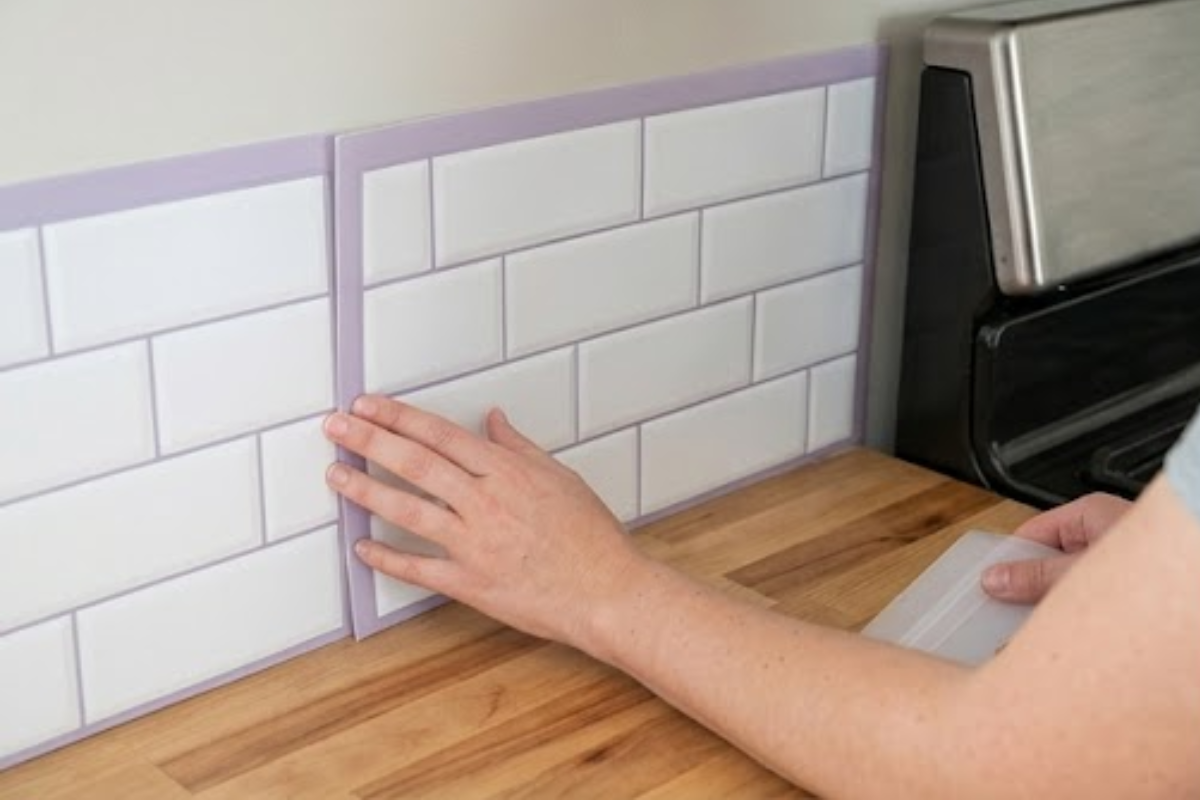
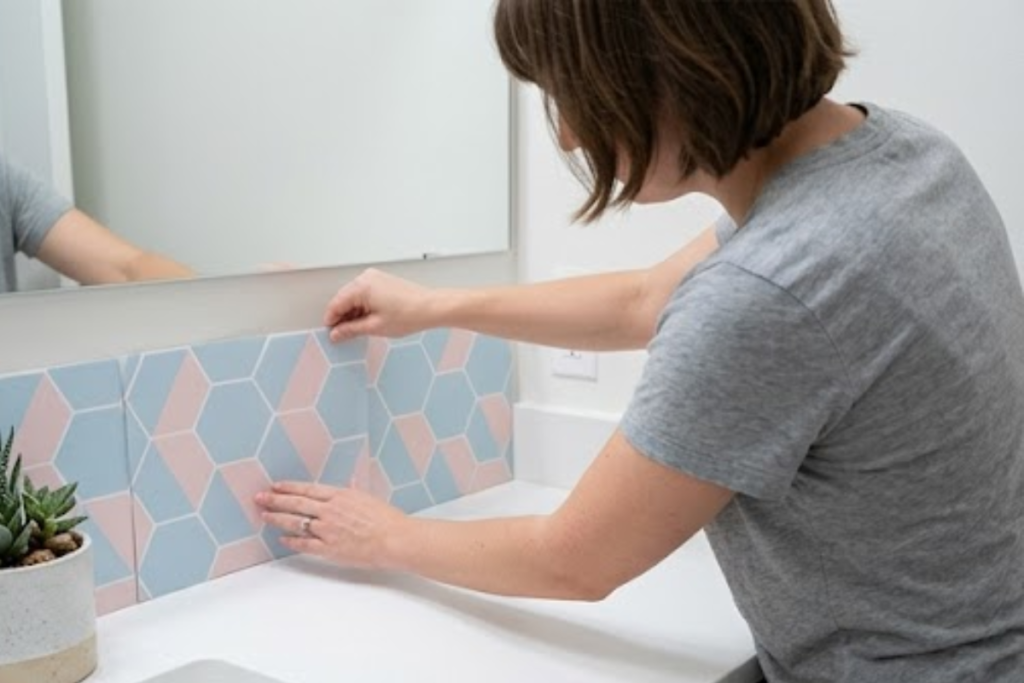
Peel-and-stick panels remove many of those steps. Most products only require careful measuring, a utility knife or scissors for trimming, and steady placement. Once the protective backing comes off, the panel sticks directly to a clean, smooth surface.
Many people find that the project takes only a few hours instead of several days.
Lower renovation costs
Kitchen updates often come with large price tags. Cabinets, countertops, flooring, and professional labor can quickly push a renovation budget beyond expectations.
Replacing only the backsplash changes the visual style of the room while keeping spending under control. Many peel-and-stick options cost much less than ceramic tile, and skipping professional installation saves even more.
That combination makes the project attractive for anyone looking to refresh a space without committing to a major remodel.
Plenty of design choices
Early peel-and-stick backsplashes looked noticeably artificial. Today’s products have improved considerably in both appearance and texture.
Homeowners can choose from designs inspired by:
- Subway tile
- Marble
- Natural stone
- Brick
- Mosaic patterns
- Concrete finishes
- Metallic accents
- Wood textures
Some panels even include raised surfaces that create extra depth, making them look more like traditional tile from a normal viewing distance.
With so many patterns available, matching existing cabinets, countertops, or paint colors becomes much easier.
Minimal mess during installation
Traditional tile work often leaves behind dust, adhesive, grout residue, and buckets of cleaning water. Even a small backsplash project can turn the kitchen into a temporary work zone.
Peel-and-stick installation stays much cleaner. There is no grout to mix, mortar to spread, or long drying period before using the space again. For busy households, that convenience matters just as much as the finished appearance.
A practical option for renters
Renters often hesitate to update their kitchens because permanent changes may violate lease agreements.
Some peel-and-stick products can be removed more easily than traditional tile, depending on the wall surface and installation method. That flexibility gives renters an opportunity to personalize their space without making permanent alterations. Checking lease terms before starting any project remains a smart first step.
Easy maintenance
Backsplashes spend their lives protecting walls from cooking splatters, water, and everyday messes.
Most peel-and-stick materials clean up with a damp cloth and mild household cleaner. Grease, sauce, and water spots usually wipe away without much effort. Since there are no grout lines on many designs, fewer places collect dirt over time.
That simple maintenance routine appeals to households looking for practical upgrades rather than high-maintenance finishes.
Great for small spaces
A backsplash covers a relatively small area, making it one of the easiest places to experiment with color or pattern.
Someone who would never install a bold patterned floor may feel comfortable trying a geometric backsplash behind the stove or sink. If decorating tastes change later, replacing a small section costs far less than changing an entire room.
Bathrooms, laundry rooms, coffee stations, and wet bars also benefit from the same approach.
DIY content makes the process easier
Video tutorials, home improvement blogs, and step-by-step guides have made DIY projects more approachable than ever. Watching someone complete the installation from start to finish helps remove much of the uncertainty.
Many manufacturers also include detailed instructions, measurement guides, and layout suggestions inside the package. Spending a little time planning before peeling the backing often leads to cleaner lines and a more polished result.
A few things worth checking first
Peel-and-stick backsplashes work best on smooth, clean, and dry surfaces. Textured walls, loose paint, or peeling wallpaper may reduce how well the adhesive holds.
Heat resistance also varies between products. Areas directly behind gas burners or other high-heat sources may require materials designed for those conditions. Reading the manufacturer’s installation instructions before purchasing helps avoid surprises later.
Taking accurate measurements matters as well. Buying an extra panel or two provides a safety margin for trimming mistakes or future repairs.
A simple way to refresh a room
Not every home improvement project needs weeks of planning or a large budget. Peel-and-stick backsplashes offer a straightforward way to change the look of a kitchen, bathroom, or laundry room with relatively little disruption.
For homeowners interested in trying DIY projects, they provide an approachable starting point. For experienced renovators, they offer a fast solution when time or budget calls for something practical. Sometimes, changing one wall can make the entire room feel different without replacing everything around it.