Buying a bigger TV can feel like an easy upgrade. A 75-inch screen sounds more exciting than a 55-inch one, especially when you’re replacing an older television. But once the new TV arrives, the extra size can create a few unexpected problems.
The right TV size depends on more than the dimensions of the wall. Viewing distance, room layout, screen resolution, seating position, and even how you use the television can make a difference. Sometimes, a smaller screen can actually feel more comfortable.
Viewing distance matters more than screen size
Sitting too close to a very large screen can make watching TV uncomfortable. Instead of taking in the entire picture naturally, your eyes may need to move around more to follow fast-moving scenes.
This becomes particularly noticeable during sports, action movies, and video games. A large screen can fill much of your field of vision, which may feel impressive for a short period but tiring during longer viewing sessions.
Before buying, measure the distance between your usual seating position and the spot where the TV will sit. A 65-inch TV might work beautifully from one couch while a 75-inch model could feel oversized from the same position.
A huge TV can overwhelm a small room
A television doesn’t exist in isolation. Furniture, windows, shelves, artwork, and other objects compete for visual space.
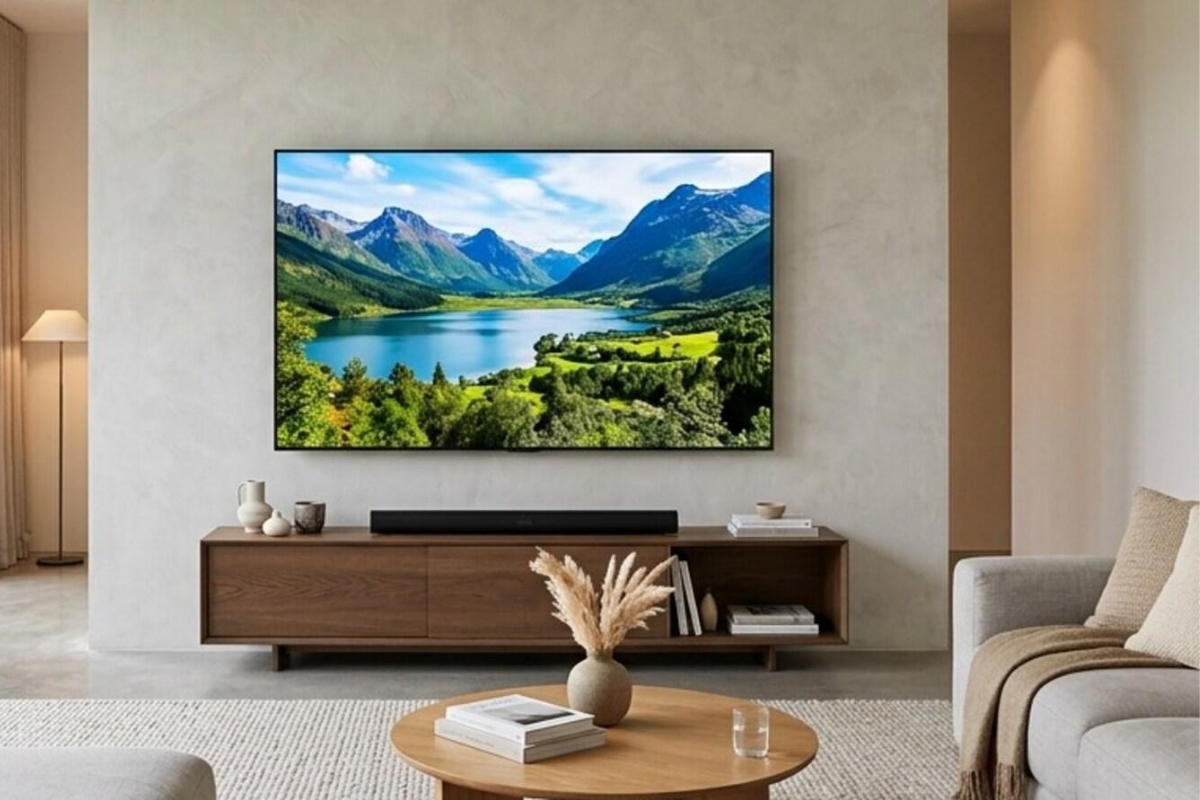
Put a massive screen above a relatively small entertainment console and the wall can start to look unbalanced. In a compact living room, a 75-inch television may dominate the entire space rather than blend naturally with the furniture.
Wall dimensions matter, too. A television that barely fits between two windows or leaves very little space around it can make the room feel cramped.
Bigger doesn’t fix poor picture quality
Screen size and picture quality aren’t the same thing.
A larger display can make imperfections easier to notice. Low-resolution streaming content, older movies, compressed video and lower-quality broadcasts may look less attractive when stretched across a huge screen.
This matters because not everything people watch comes in the highest available resolution. If you frequently watch older shows or regular HD programming, jumping from a 55-inch TV to an enormous screen may reveal flaws that weren’t obvious before.
For many households, spending more on better picture quality rather than simply adding inches can make more sense.
Your furniture may limit the choice
TV shopping often starts with the screen rather than the room. The furniture should really get some attention first.
A very wide television needs a suitable console or wall space. If the TV sits on furniture, the stand dimensions also matter. A screen might technically fit on the wall while looking awkward above a narrow cabinet.
You also need to consider doors, windows, fireplaces and walking paths. A bigger TV can force furniture into a less comfortable position simply because it needs more room.
Bigger screens can be harder to place comfortably
Mounting height becomes another consideration. A large television mounted too high can create an uncomfortable viewing angle, particularly when you’re sitting on a low sofa.
The same problem can occur when a TV gets installed above a fireplace. The larger the screen, the more noticeable an awkward viewing position can become.
Before mounting a television, sit in your normal viewing spot and check where your eyes naturally land. The center of the screen shouldn’t require you to constantly tilt your head upward.
Think about how you actually watch TV
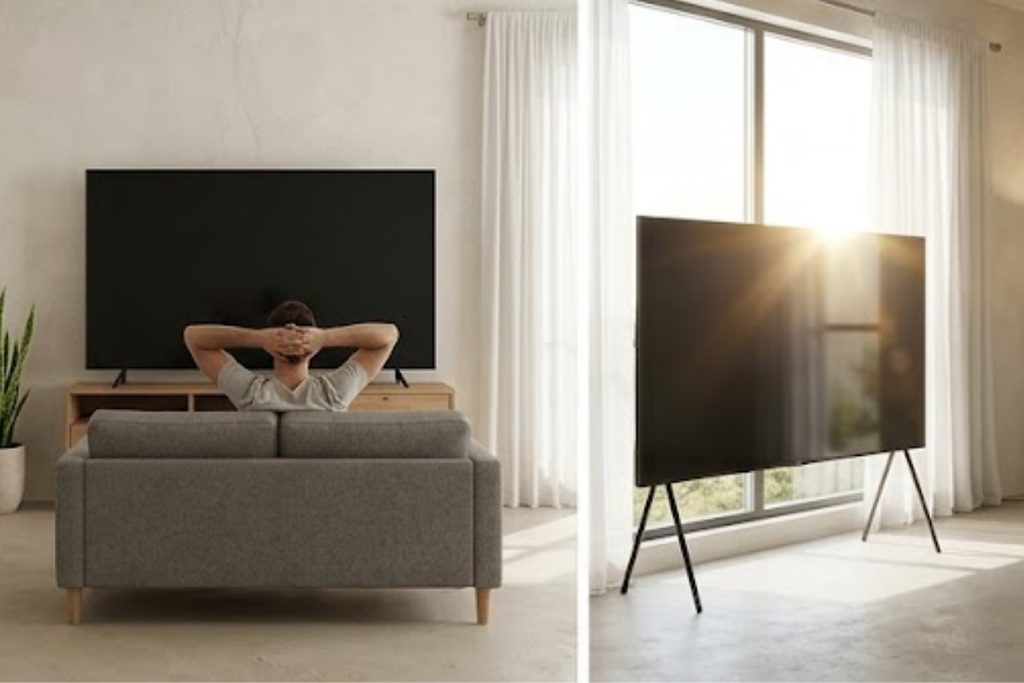
Someone who watches movies from a sectional several feet away may appreciate a larger screen. Someone who mainly watches news, sitcoms or YouTube from a relatively short distance might prefer something smaller.
Gaming also changes the equation. A large screen can create an immersive experience, but competitive players may prefer a display that they can take in without constantly shifting their eyes.
There’s also the question of how much of the room you want the TV to command. For some people, the television should dominate the entertainment area. For others, it should fit into the room without becoming the first thing visitors notice.
The best size may be the one that feels natural
There’s nothing wrong with buying a large TV. The problem comes when screen size becomes the only deciding factor.
Measure your viewing distance, check the available wall and furniture space, consider the type of content you watch, and think about how the screen will look when you’re actually sitting on the couch.
A 65-inch television can feel more satisfying than a 75-inch model if it fits the room better. Sometimes the smartest upgrade isn’t the biggest screen you can fit through the front door—it’s the one that feels right once you sit down.