When the temperature drops, turning up the thermostat seems like the obvious solution. But if your home still feels chilly, the problem may have less to do with how high the heat is set and more to do with how your home handles that heat.
From blocked vents to drafty windows, a few common mistakes can leave rooms colder than expected and make your heating system work harder. Here are seven things worth checking before reaching for another blanket.
1. Blocking your heating vents
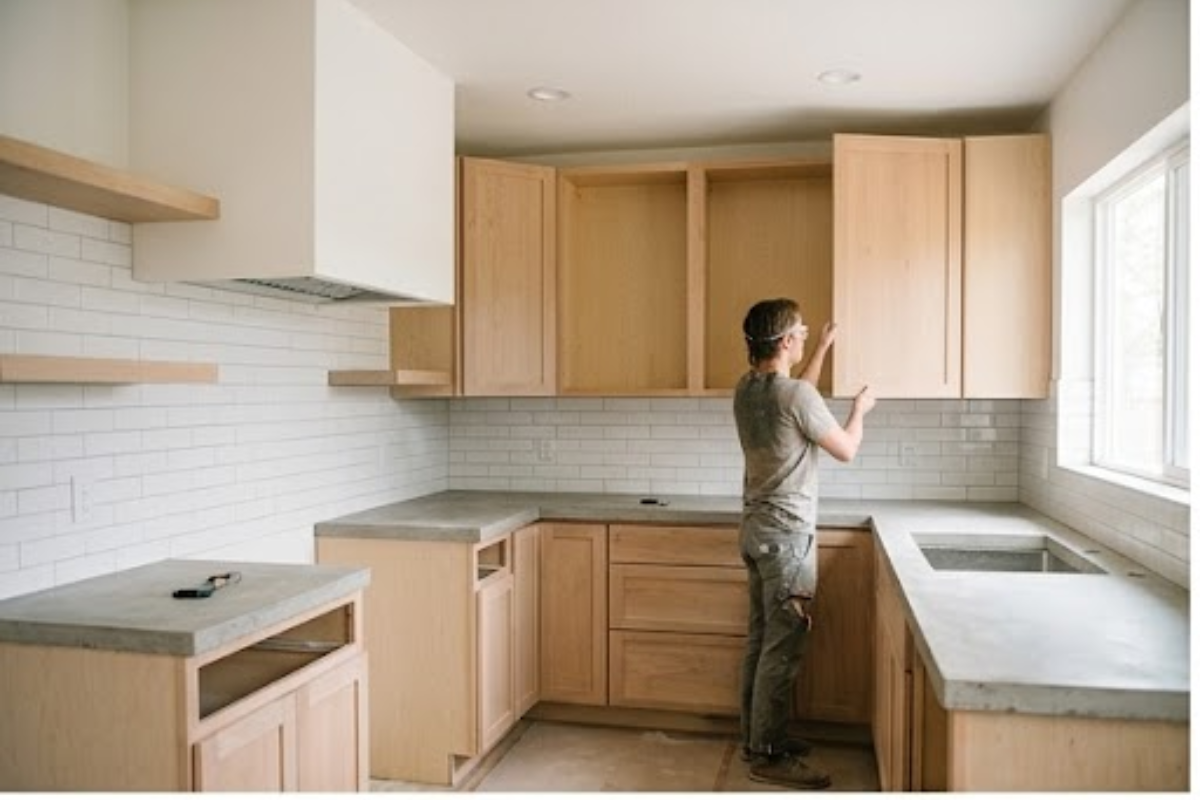
Furniture, rugs, curtains, and even storage boxes can accidentally cover floor or wall vents. When warm air cannot move freely into the room, certain areas may stay cold while the heating system continues running.
Walk around your home and check that supply vents have plenty of open space around them. Move sofas, beds, cabinets, and other large items away from vents whenever possible.
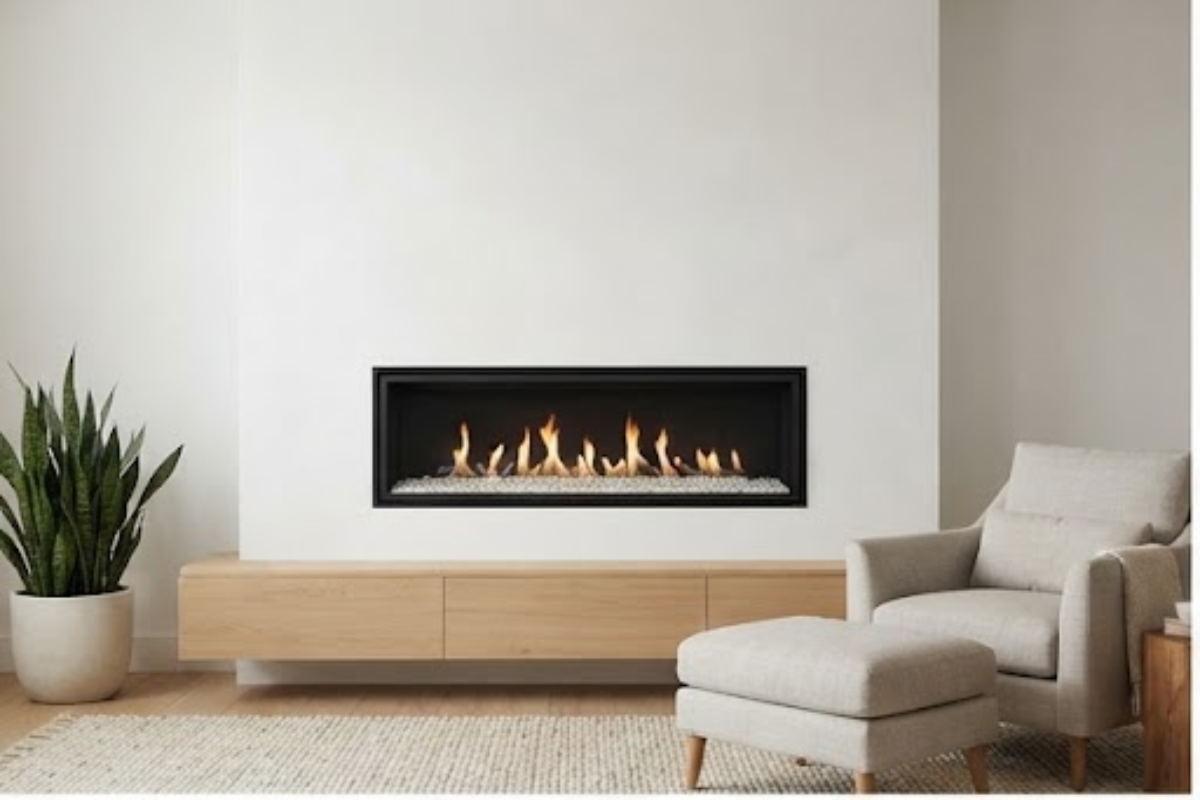
If you use a forced-air system, understanding how a heating system distributes heat can also help explain why airflow matters.
2. Ignoring a dirty furnace filter
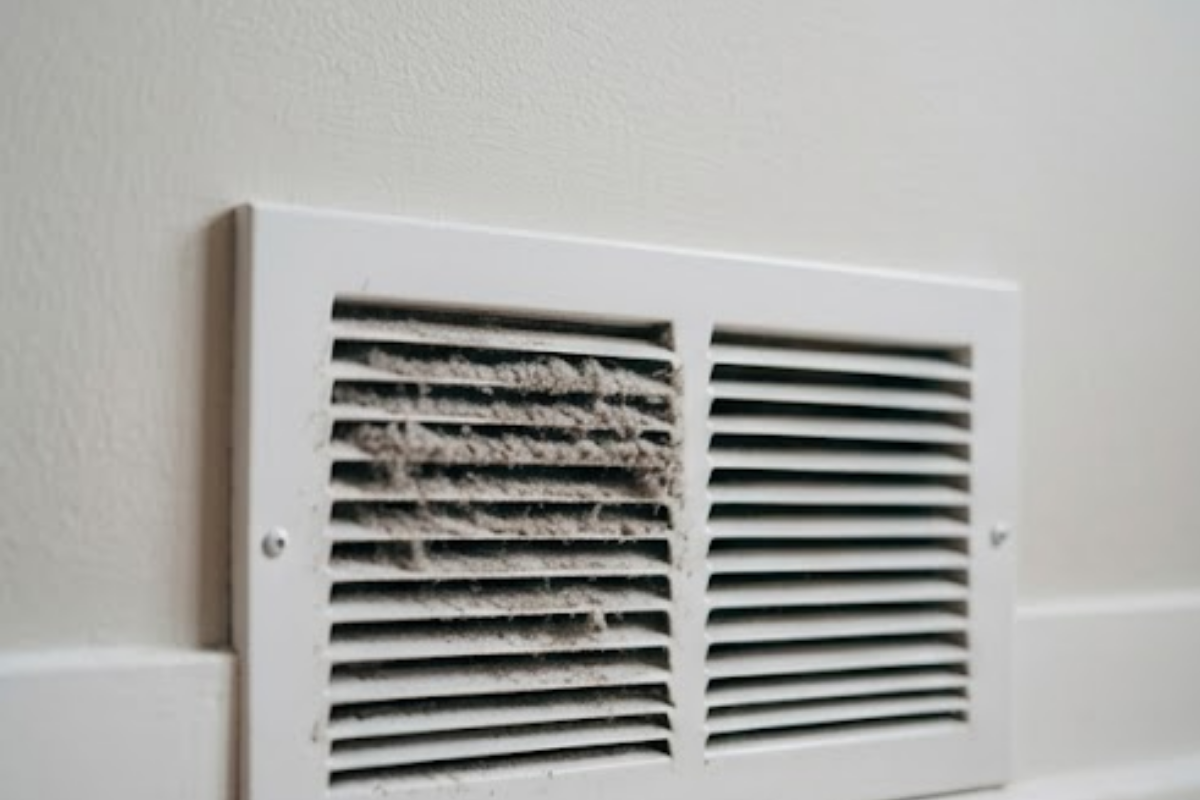
A clogged filter can restrict airflow, making it harder for heated air to circulate through your home. You may notice weak airflow from vents, rooms taking longer to warm up, or a furnace that seems to run constantly.
Check your filter regularly during the heating season and replace it according to the manufacturer’s instructions. Homes with pets, smokers, or lots of dust may need more frequent changes.
A clean filter won’t fix every heating problem, but it can prevent one simple maintenance issue from turning into a comfort problem.
3. Setting the thermostat extremely high
If your house feels cold, it can be tempting to raise the thermostat several degrees at once. That does not necessarily make the furnace heat your home faster.
Instead, the system typically continues producing heat at its normal rate until the desired temperature gets reached. Setting the thermostat far above your preferred temperature can simply leave the system running longer.
A steady, reasonable setting usually makes more sense than repeatedly turning the temperature way up and then back down.
4. Leaving drafts around windows and doors
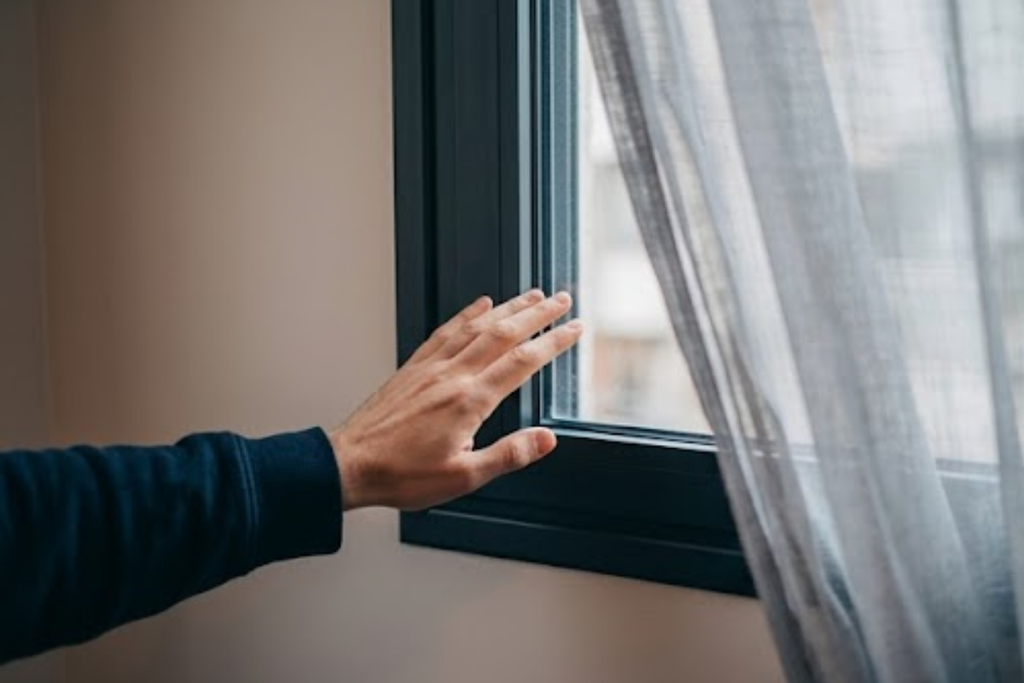
A heating system can produce plenty of warm air while cold outdoor air sneaks in through gaps around windows and doors.
Check for noticeable drafts around window frames, exterior doors, sliding doors, and other openings. Weatherstripping, caulk, door sweeps, and thermal curtains can help with some common sources of heat loss.
Even a small draft can make a room feel colder because moving air across your skin can create a chilly sensation, even when the thermostat shows a comfortable temperature.
5. Closing vents in unused rooms
Closing several vents might seem like an easy way to redirect warm air into frequently used rooms. However, forced-air systems depend on balanced airflow. Closing too many vents can interfere with how air moves through the ductwork.
Rather than shutting off multiple vents, keep doors and vents positioned according to your HVAC system’s design. If one room consistently feels much colder than the rest of the house, the cause could involve insulation, ductwork, airflow, or the room’s location.
6. Forgetting about the ceiling fan
Ceiling fans aren’t just for summer. Many models have a reverse setting that changes the direction of the blades and can help move warm air that has collected near the ceiling back toward the living space.
During winter, check your fan for a reverse switch or seasonal setting. Run it at a low speed so you don’t create an uncomfortable breeze.
This can be especially useful in rooms with high ceilings, where warm air naturally rises.
7. Skipping heating-system maintenance
Waiting until the furnace stops working before giving it attention can leave you dealing with poor performance when you need heat most.
Basic maintenance can include checking filters, keeping equipment clear of clutter, and following the manufacturer’s recommended service schedule. If the system makes unusual noises, repeatedly cycles on and off, produces weak airflow, or struggles to maintain the set temperature, it may need professional attention.
Home heating involves more than the furnace itself. Ducts, filters, insulation, windows, doors, and thermostat settings all affect how warm a room feels. Bob Vila’s heating resources also cover common maintenance and home-heating issues.
A warmer home may start with a simple check
Before assuming you need a new furnace or a higher thermostat setting, take a quick look at the basics. Clear blocked vents, inspect the filter, check for drafts, and make sure your heating system can move air properly.
Sometimes the coldest room in the house isn’t asking for more heat—it may simply be losing the heat it already has.