Weekend lawn mowing has long been part of home ownership, but robotic lawn mowers have changed that routine. Instead of cutting the grass once every week or two, these machines trim small amounts every day or on a set schedule. The result often looks cleaner because the lawn stays at a consistent height.
Still, a robot mower costs far more than a traditional push mower, making many homeowners wonder whether the investment makes sense. The answer depends on the size of the yard, the amount of time spent mowing, and how much maintenance you’re willing to handle.
How robot lawn mowers work
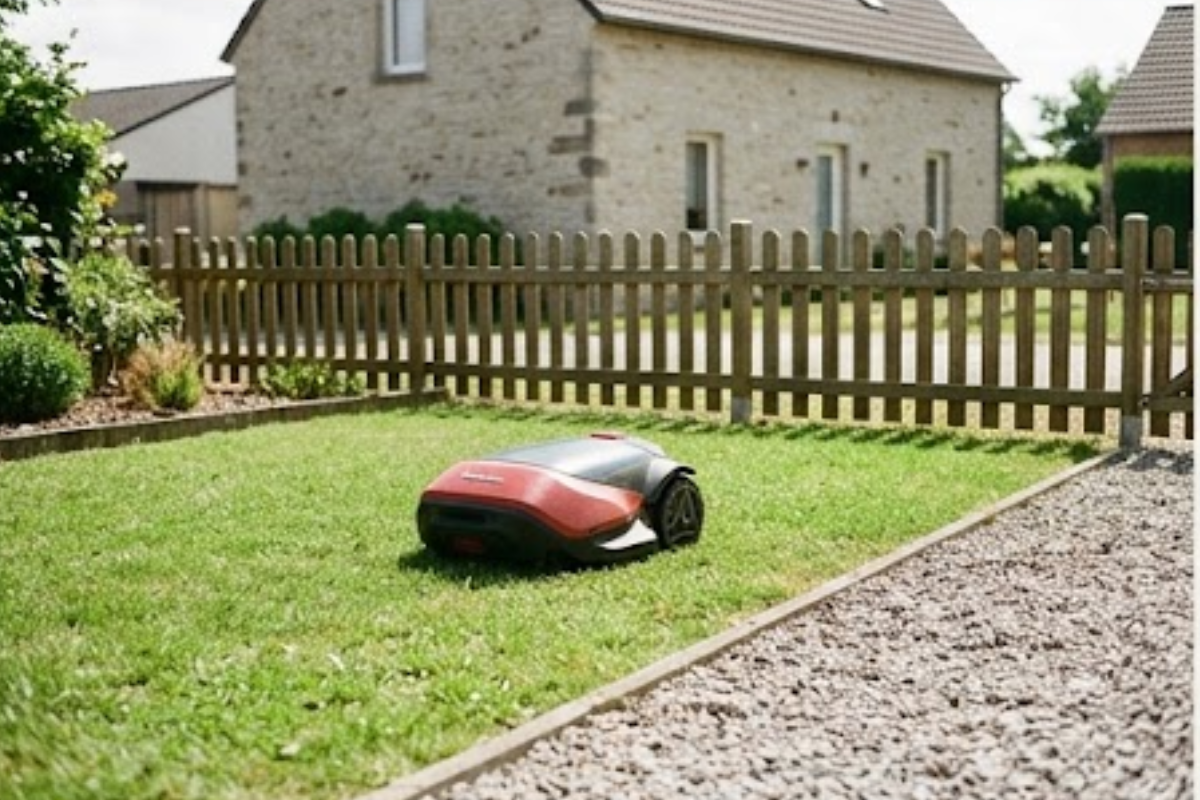
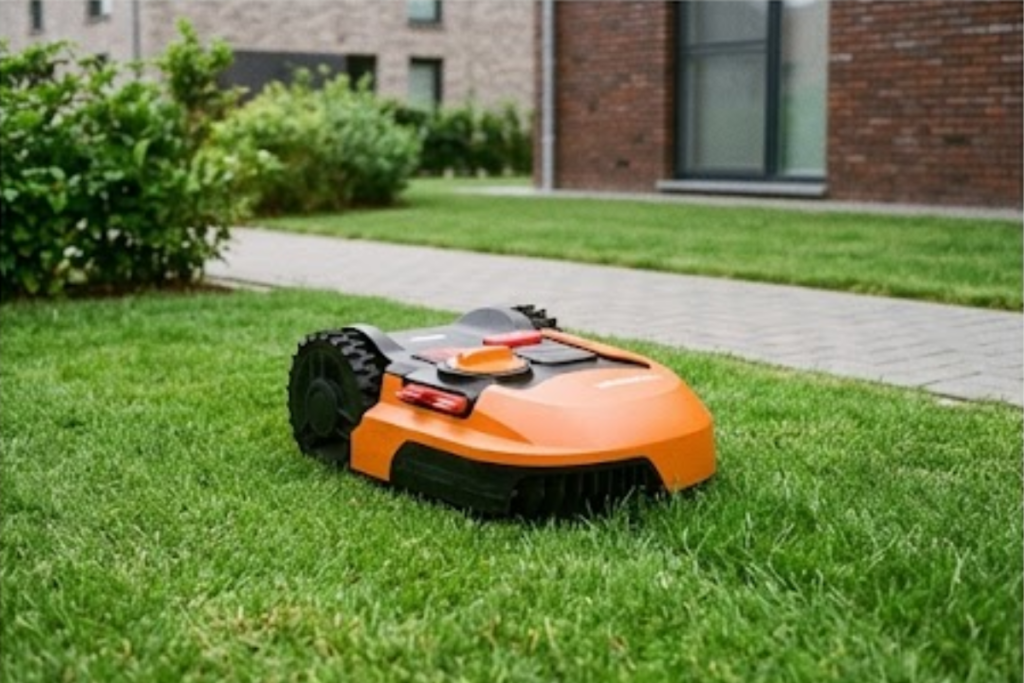
Most robotic mowers move around the yard on their own, cutting a little grass during each session. Many models return to a charging station automatically when the battery runs low and continue mowing after recharging.
Older units rely on boundary wires installed around the lawn. Newer premium models use GPS, cameras, sensors, or RTK positioning to navigate without perimeter wires. Many also connect to smartphone apps, allowing owners to adjust schedules, cutting height, or mowing zones remotely.
Instead of collecting grass clippings, these mowers leave behind tiny pieces that break down quickly and return nutrients to the soil.
The biggest advantages
More free time
For many buyers, saving time tops the list of reasons to switch. Once the mower has been installed and programmed, it handles regular cutting without much attention. There’s no need to spend an hour pushing a mower every weekend during the growing season.
Consistently neat lawns
Robot mowers cut frequently, preventing the lawn from becoming overgrown. Since they remove only a small amount of grass at a time, the yard often maintains a freshly cut appearance throughout the week.
Quiet operation
Unlike gasoline-powered mowers, robotic models run quietly. Many operate at a sound level low enough to mow early in the morning or later in the evening without disturbing neighbors.
Lower physical effort
Anyone with mobility limitations, busy schedules, or simply little interest in mowing may appreciate avoiding the physical work. Once the mower starts its routine, very little manual effort remains.
Electric instead of gasoline
Battery-powered operation eliminates fuel storage, oil changes, spark plug replacement, and engine maintenance. Charging costs also tend to remain relatively low.
The drawbacks to consider
Higher purchase price
The biggest obstacle for many homeowners comes down to cost. Robot lawn mowers generally cost several times more than standard electric or gas-powered mowers. Premium models designed for large properties can cost considerably more.
If mowing only takes 20 or 30 minutes every week, the time savings may not justify the expense.
Installation takes planning
Models that use boundary wires require careful installation around the lawn. The process may take several hours, especially for complex yards with flower beds, pathways, and trees.
Although wire-free systems reduce setup time, they often carry a higher price tag.
Not every yard works well
Simple, open lawns produce the best results. Yards filled with steep slopes, exposed tree roots, narrow passages, children’s toys, or numerous landscaping features may require occasional manual mowing.
Very tall grass also presents a challenge. Robot mowers perform best when they maintain an already established lawn rather than recovering neglected grass.
Regular cleaning
Despite operating automatically, robot mowers still need attention. Grass buildup should be cleaned from the cutting deck, blades require replacement periodically, and software updates may become available for connected models.
Who gets the most value?
Robot lawn mowers tend to make the most sense for homeowners who:
- Mow every week throughout the growing season.
- Have small to medium-sized lawns with relatively simple layouts.
- Prefer automated home technology.
- Want quieter yard equipment.
- Don’t enjoy lawn maintenance.
On the other hand, homeowners with tiny yards may find that a lightweight cordless mower finishes the job in just a few minutes. Large rural properties with rough terrain may also exceed the practical limits of many consumer robot mowers.
Cost versus long-term convenience
Looking only at the purchase price can make robot mowers seem expensive. Looking at the hours saved over several years paints a different picture.
Someone who spends an hour mowing every week during a 30-week growing season spends around 30 hours each year behind a mower. Over five years, that adds up to roughly 150 hours.
For homeowners who value that free time, the higher upfront cost becomes easier to justify. Others may simply enjoy mowing and see little reason to automate the task.
Final thoughts
Robot lawn mowers can deliver a consistently trimmed lawn while reducing the time and effort spent on regular yard work. They perform best when paired with lawns that suit their design and owners willing to invest in the initial setup.
They won’t replace every traditional mower, particularly for difficult terrain or heavily overgrown grass. Yet for many suburban homeowners, they turn lawn care into a task that mostly happens in the background, leaving weekends free for other activities. Whether they’re worth it depends less on the technology itself and more on how much value you place on convenience, time, and hands-off maintenance.