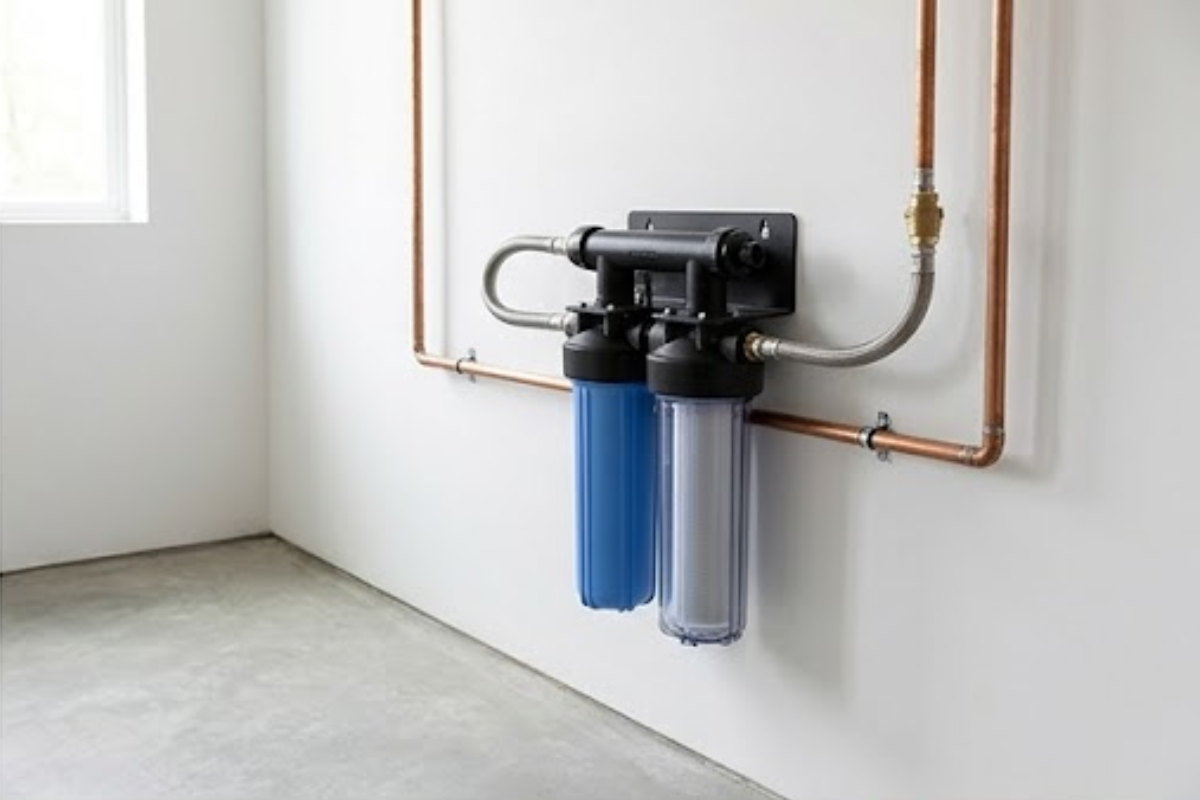
When people think about cleaner water, they often picture a pitcher filter sitting in the refrigerator or a small attachment on the kitchen faucet. A whole-home water filtration system takes a different approach by treating the water as it enters the house. Every tap, shower, washing machine, and appliance receives filtered water instead of just one sink.
For some households, that makes perfect sense. For others, it may cost more than the benefits justify. The right choice depends on your local water quality, plumbing, and daily water use.
What does a whole-home water filtration system do?
A whole-home filtration system connects to the main water supply before the water reaches the rest of the house. Depending on the filter type, it can reduce sediment, chlorine, unpleasant odors, rust particles, and certain other contaminants.
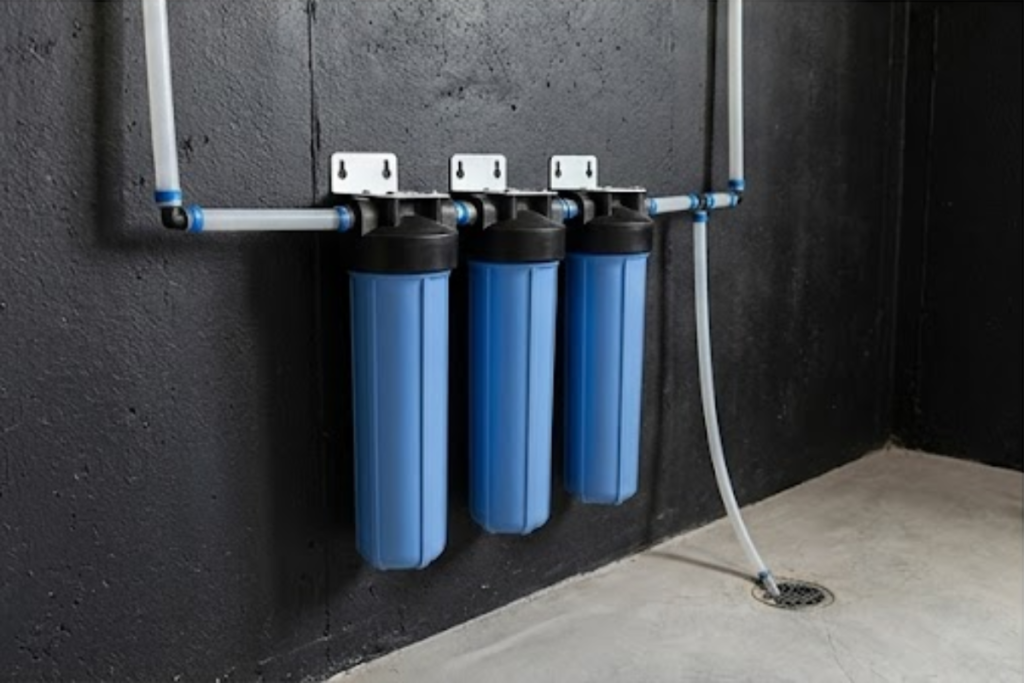
It’s worth noting that no single filter removes everything. Different systems target different issues. A sediment filter handles dirt and sand, while activated carbon reduces chlorine and improves taste and smell. Homes with well water often need additional treatment to address iron, sulfur, bacteria, or hard water.
Because of this, testing your water before buying a system often makes more sense than choosing one based on advertising claims.
Benefits homeowners often notice
One of the first changes many people notice involves the taste and smell of their tap water. Chlorine odors can become less noticeable, making drinking water, coffee, and cooking water more pleasant.
Bathrooms may also feel different. Many homeowners say showers become more enjoyable when chlorine levels drop. Some people find their skin feels less dry after bathing, while others notice their hair becomes easier to manage. Results vary depending on the local water supply and the type of filtration installed.
Another advantage involves household appliances. Sediment can build up inside washing machines, dishwashers, water heaters, and plumbing fixtures over time. Cleaner water may reduce that buildup, which can help appliances operate more efficiently and require fewer repairs.
Glassware, sinks, and faucets may also stay cleaner when fewer particles travel through the plumbing.
Situations where a whole-home system makes sense
Not every home benefits equally from whole-home filtration.
Homes supplied by private wells often experience greater variations in water quality than homes connected to municipal water systems. Well owners may deal with sediment, iron staining, sulfur odors, or naturally occurring minerals that require treatment.
Older homes with aging pipes may also benefit if rust particles regularly appear in tap water.
Families with sensitive skin sometimes choose whole-home filtration because shower water receives treatment along with drinking water.
Large households that use several bathrooms every day may appreciate having filtered water available throughout the home without relying on multiple faucet filters or pitchers.
When a smaller filter might be enough
A whole-home system isn’t always necessary.
If your municipal water already meets your expectations and your only concern involves drinking water taste, a faucet-mounted filter or under-sink filtration system may solve the problem at a much lower cost.
Apartment residents usually cannot install whole-home equipment because the plumbing belongs to the building owner.
Some homeowners also discover that one specific issue—such as hard water—requires a water softener rather than a filtration system. In many cases, the best setup combines several treatment methods instead of relying on a single device.
Costs beyond the purchase price
Buying the filtration unit represents only part of the overall expense.
Professional installation often adds to the total cost, especially if plumbing modifications become necessary. Replacement filters also require regular attention. Some filters last only a few months, while others continue working for a year or longer before replacement.
Ignoring maintenance can reduce water pressure and limit the filter’s effectiveness. Homeowners should check the manufacturer’s replacement schedule before purchasing any system.
Electricity usage usually remains low unless the equipment includes pumps, ultraviolet disinfection, or other powered components.
Questions to ask before buying
Rather than comparing products based only on price, consider a few practical questions:
- What contaminants appear in your local water report or water test?
- Do you notice chlorine taste, sediment, staining, or unusual odors?
- How many people live in the home?
- How much maintenance are you comfortable handling?
- Will replacement filters remain easy to find several years from now?
Answering these questions often narrows the list of suitable systems much faster than comparing long feature lists.
Conclusion
Whole-home water filtration can make everyday water cleaner throughout the house, not just at the kitchen sink. Many homeowners appreciate better-tasting water, reduced chlorine odors, cleaner plumbing fixtures, and added protection for household appliances.
At the same time, the investment doesn’t make sense for every property. If your local water already meets your needs, a smaller point-of-use filter may provide nearly everything you’re looking for at a fraction of the cost.
Testing your water before making a purchase remains one of the smartest first steps. Once you know what’s actually in your water, choosing the right filtration system becomes much simpler—and you’re less likely to pay for features you don’t need.