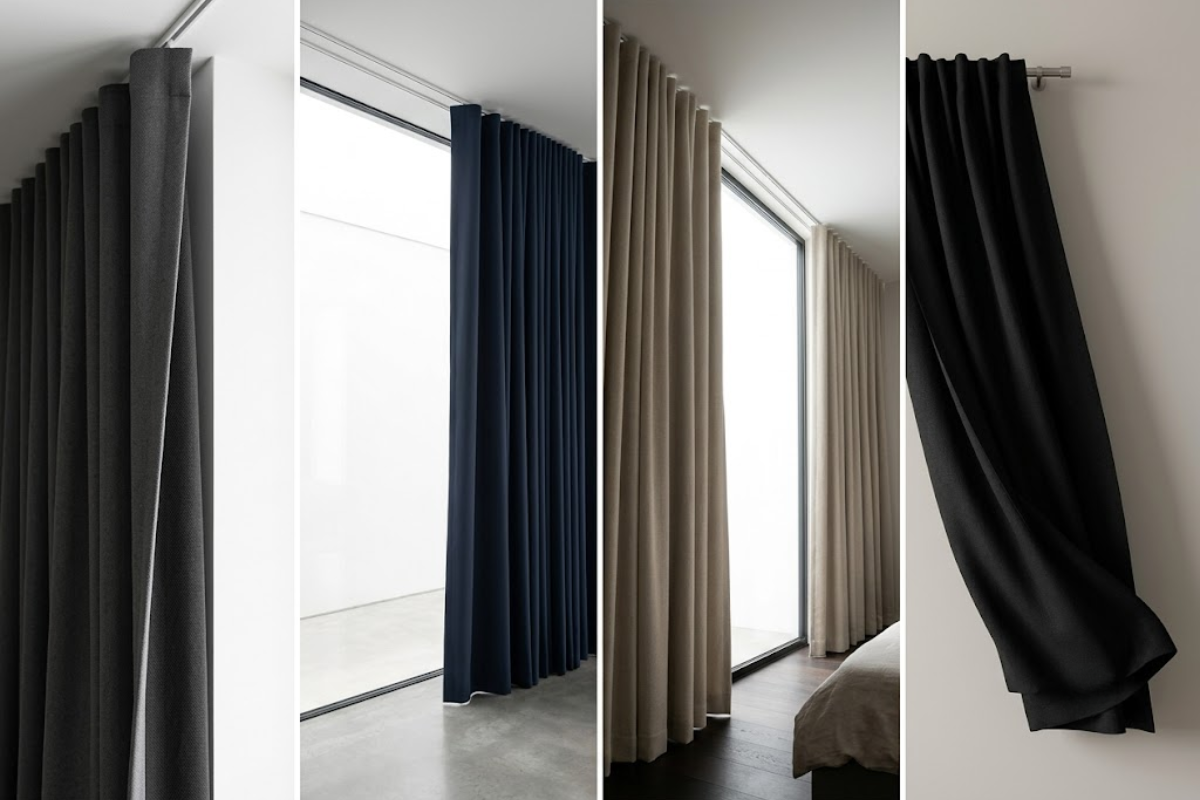
Many people focus on mattresses, pillows, or white noise when trying to sleep better, yet one simple change often gets overlooked: blocking unwanted light. Blackout curtains have become a popular bedroom upgrade for shift workers, parents, travelers, and anyone bothered by early morning sunlight or bright streetlights.
But do they actually improve sleep, or are they simply another home accessory with a good reputation?
The answer depends on what keeps you awake in the first place. For many people, reducing light in the bedroom can make falling asleep easier and help prevent unwanted wake-ups during the night.
Why light affects sleep
Your body follows a natural daily rhythm known as the circadian rhythm. One of the biggest influences on that rhythm comes from light. Bright light tells your brain that it’s time to stay alert, while darkness encourages the production of melatonin, a hormone associated with sleep.
When unwanted light enters your bedroom late at night or before your alarm goes off, your body may receive mixed signals. Even a small amount of light can make it harder for some people to remain asleep, particularly during the lighter stages of sleep.
Common sources of unwanted nighttime light include:
- Streetlights outside the window
- Vehicle headlights
- Neighboring buildings
- Porch lights
- Early morning sunrise
- Outdoor advertising signs
Blocking these light sources creates a darker environment that many people find more comfortable for sleeping.
What makes blackout curtains different?
Unlike standard curtains, blackout curtains use tightly woven or layered fabrics designed to block most incoming light. Depending on the material and how well they’re installed, many can stop 90% to nearly all outside light.
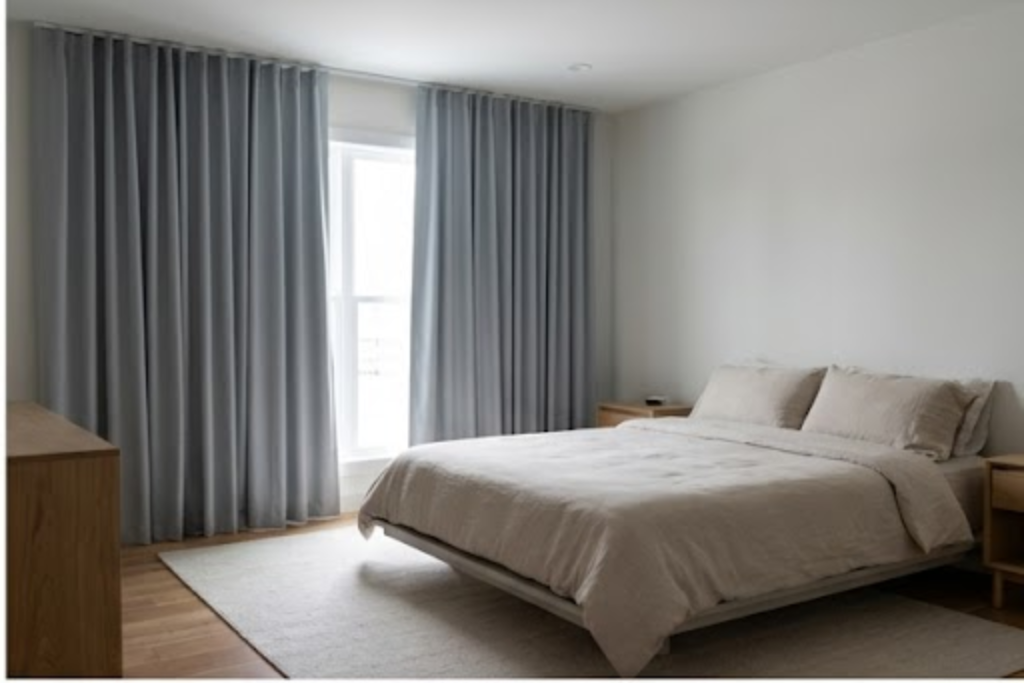
The results improve when curtains extend beyond the edges of the window frame and reach close to the floor. Small gaps around the sides may still allow light to enter, especially at sunrise.
Who benefits the most?
Not everyone notices a dramatic difference after installing blackout curtains. Their biggest advantages tend to appear in certain situations.
Shift workers
People who sleep during daylight hours often struggle because the sun tells the brain to stay awake. A dark bedroom can make daytime sleep feel closer to nighttime.
Light sleepers
Some people wake easily when the room becomes brighter before sunrise. Blocking that early light may reduce those interruptions.
Parents with young children
Children frequently wake up as daylight enters the room. While blackout curtains won’t solve every sleep issue, many parents find that darker rooms help children stay asleep longer during bright summer mornings.
Urban residents
City apartments often receive light throughout the night from traffic, office buildings, or streetlights. Reducing that constant brightness can make the bedroom feel calmer.
Can blackout curtains improve sleep quality?
For people whose sleep gets interrupted by light, blackout curtains may help in several ways:
- Falling asleep more comfortably in a darker room
- Fewer awakenings caused by outside light
- Better sleep after sunrise
- Easier daytime sleep for overnight workers
That doesn’t mean blackout curtains solve every sleep problem. Stress, caffeine, noise, room temperature, and inconsistent schedules can still interfere with rest, even in complete darkness.
Other advantages beyond sleep
Many homeowners purchase blackout curtains for reasons unrelated to bedtime.
Better temperature control
Thicker fabrics help reduce heat entering through sunny windows during summer while slowing heat loss during colder months. The effect varies depending on the curtain material and window quality, but many rooms feel more comfortable throughout the day.
Less screen glare
Home offices and media rooms often benefit from reduced sunlight when using computers or watching television.
More privacy
Because the fabric blocks visibility from outside, blackout curtains provide extra privacy after dark when indoor lights remain on.
Choosing the right blackout curtains
If you’re shopping for blackout curtains, keep these features in mind.
Fabric quality: Multiple fabric layers generally block more light than thin decorative curtains.
Proper sizing: Wider panels that extend several inches beyond each side of the window reduce light leaks.
Length: Curtains that reach the floor usually perform better than shorter designs.
Color: Dark colors often block light effectively, although many modern light-colored blackout curtains use special backing that performs just as well.
Installation: A curtain rod placed slightly above and wider than the window helps minimize gaps.
Are there any downsides?
Blackout curtains aren’t perfect for every room.
Some people prefer waking naturally with sunlight rather than using an alarm. A completely dark bedroom may also feel too enclosed during daytime hours. In humid climates, heavy curtains sometimes require occasional cleaning to prevent dust buildup.
Cost varies widely as well. Basic blackout panels remain relatively inexpensive, while custom-made options designed for large windows can cost considerably more.
The bottom line
Blackout curtains won’t replace healthy sleep habits, but they can remove one common obstacle to a good night’s rest: unwanted light. If your bedroom stays bright because of streetlights, early sunrises, or daytime sleeping schedules, darker surroundings may help you fall asleep more easily and stay asleep longer.
For many households, blackout curtains offer practical benefits beyond bedtime, including better privacy, reduced glare, and improved indoor comfort. If outside light regularly interrupts your sleep, they may prove to be one of the simpler changes worth trying.


2 thoughts on “Do blackout curtains really help you sleep better?”