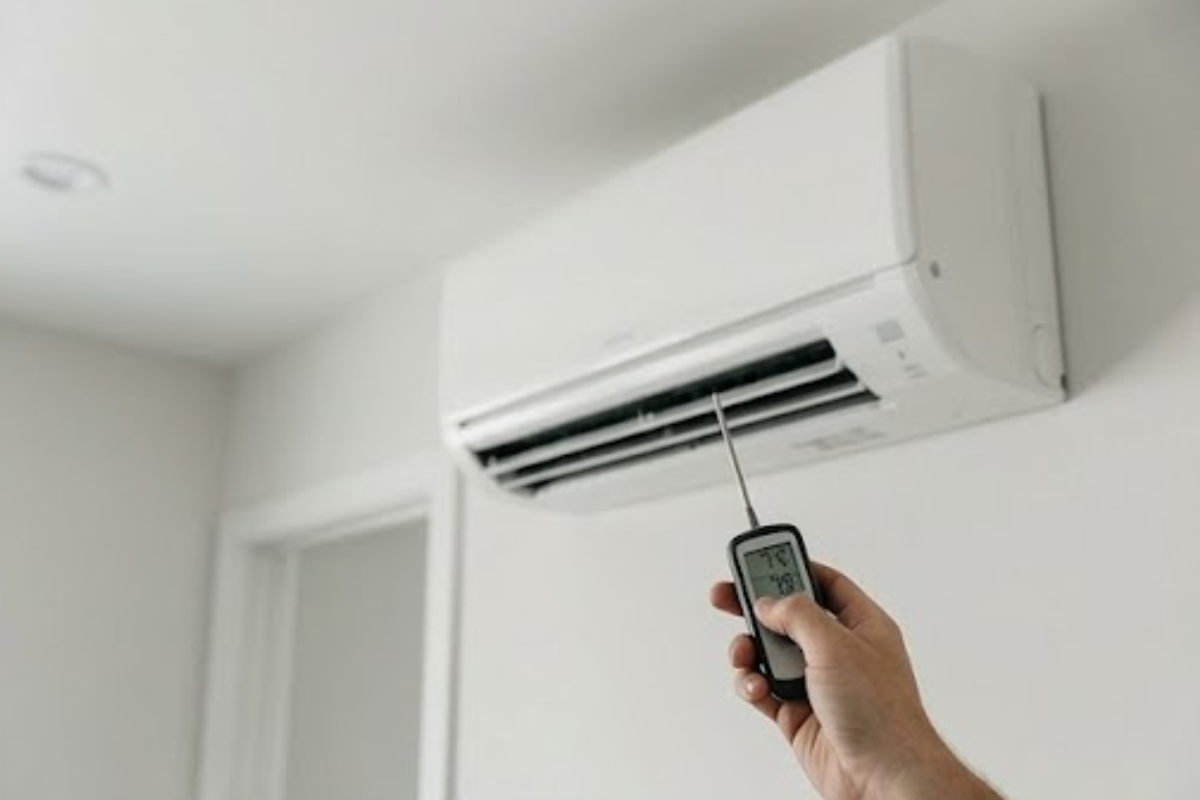
When an air conditioner runs for hours but your home still feels warm, the problem may not have anything to do with the thermostat setting. An AC works by pulling heat from indoor air and releasing it outdoors through a refrigeration cycle.
When something interferes with that process, the system can keep running without bringing the room down to the temperature you selected.
Here are some of the most common reasons an AC runs all day without cooling properly.
1. A Dirty Air Filter Could Be Restricting Airflow
A clogged filter may look like a minor maintenance issue, but it can make a noticeable difference in cooling performance.
Your AC needs a steady supply of air moving across the indoor evaporator coil. When dust and debris block the filter, less air reaches the coil. The system then has a harder time moving cool air through the house.
Restricted airflow can also cause the evaporator coil to become too cold and freeze. Once ice builds up, even less air can pass through, creating a cycle that leaves your AC running while providing little cooling.
Check the filter first, particularly if you cannot remember the last time it was replaced. Homes with pets, construction dust or other airborne debris may require more frequent filter changes.
2. The Evaporator Coil May Have Frozen
If you notice weak airflow from the vents, water around the indoor unit or visible ice on the refrigerant lines, a frozen coil could explain the problem.
A frozen coil cannot absorb heat from indoor air properly. Restricted airflow can cause freezing, but low refrigerant levels can also produce the same symptom.
If you find ice, turn the cooling system off and allow it to thaw rather than continuing to run it. Repeated freezing usually points to an underlying problem that needs attention.
3. Low Refrigerant Can Make the AC Run Constantly
Refrigerant moves through the system, absorbing heat indoors and releasing it outside. A leak can reduce the amount of refrigerant available for that process.
One common clue: the AC keeps running, but the house never quite reaches the thermostat setting. Warm air from the vents or ice around the evaporator coil can also accompany a refrigerant problem.
Refrigerant problems aren’t a good DIY project. A technician needs to locate the leak, repair it and handle the refrigerant correctly.
4. The Outdoor Unit May Not Be Getting Rid of Heat
Your indoor AC unit cannot cool the house effectively if the outdoor portion of the system cannot release the heat it collected.
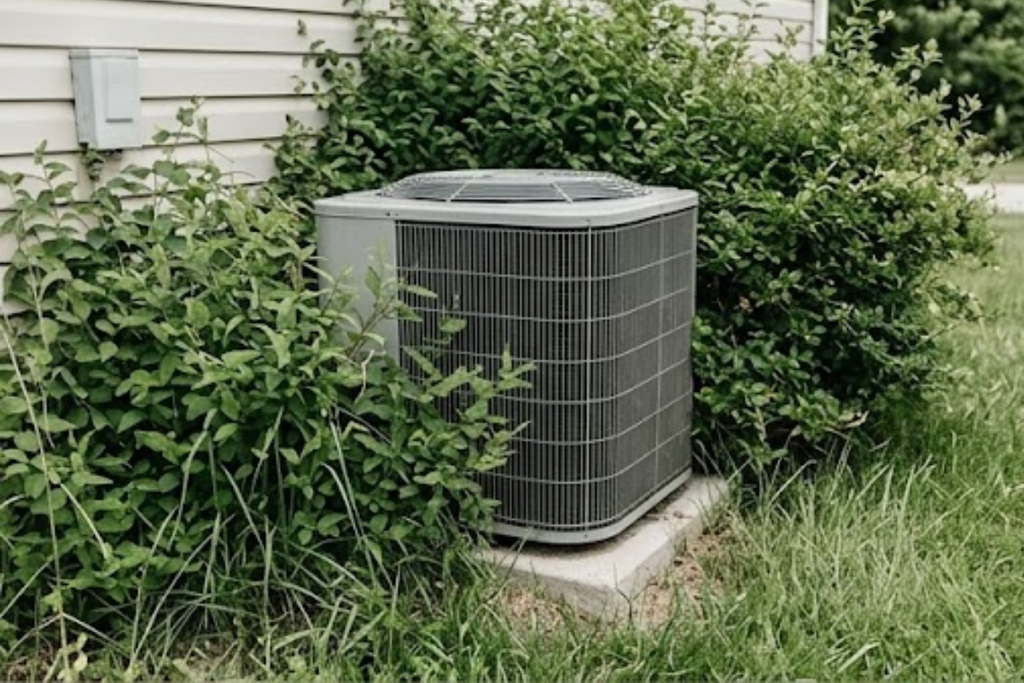
Leaves, grass, dirt and other debris can restrict airflow around the outdoor coil. A dirty condenser coil makes heat transfer harder and can force the system to work longer.
Keep the area around the outdoor unit clear and avoid blocking it with plants, furniture or stored items. Deeper cleaning of the coil may require professional service.
5. Leaky or Poorly Insulated Ducts Can Waste the Cooling
Sometimes the AC itself works reasonably well, but the cooled air doesn’t reach the rooms where you need it.
Leaks in ductwork can allow conditioned air to escape before it reaches the vents. Poor insulation around ducts can also allow cooled air to gain heat while traveling through hot spaces such as attics.
The result can feel like an underperforming AC even when the equipment itself isn’t the main problem. Ductwork problems can be particularly noticeable when some rooms feel comfortable while others remain warm.
6. The AC May Simply Be Too Small for the Home
A system that’s too small for the space can struggle during very hot weather. It may run almost continuously while still failing to reach the thermostat setting.
An undersized unit may have no obvious mechanical fault. The equipment simply cannot remove heat from the home quickly enough under certain conditions.
This situation requires more than simply turning the thermostat down. An HVAC professional can assess whether the system’s cooling capacity matches the home’s size and conditions.
What to Check First
Before assuming you need an expensive repair, start with the simple things: check the thermostat, inspect the air filter and make sure the outdoor unit has clear space around it.
If the filter looks clean but airflow remains weak, the AC continues running without reaching the set temperature, or you see ice forming, the problem may require professional diagnosis. Refrigerant issues, frozen coils, dirty internal components and mechanical failures can all produce similar symptoms.
The basic refrigeration cycle depends on several components working together to move heat from indoors to outdoors. When one part stops doing its job properly, an AC can spend hours running without producing the cooling you expect.
Related reading: Heating, ventilation, and air conditioning explains how the refrigeration cycle and major AC components work. Carrier also has a useful guide on troubleshooting an air conditioner.