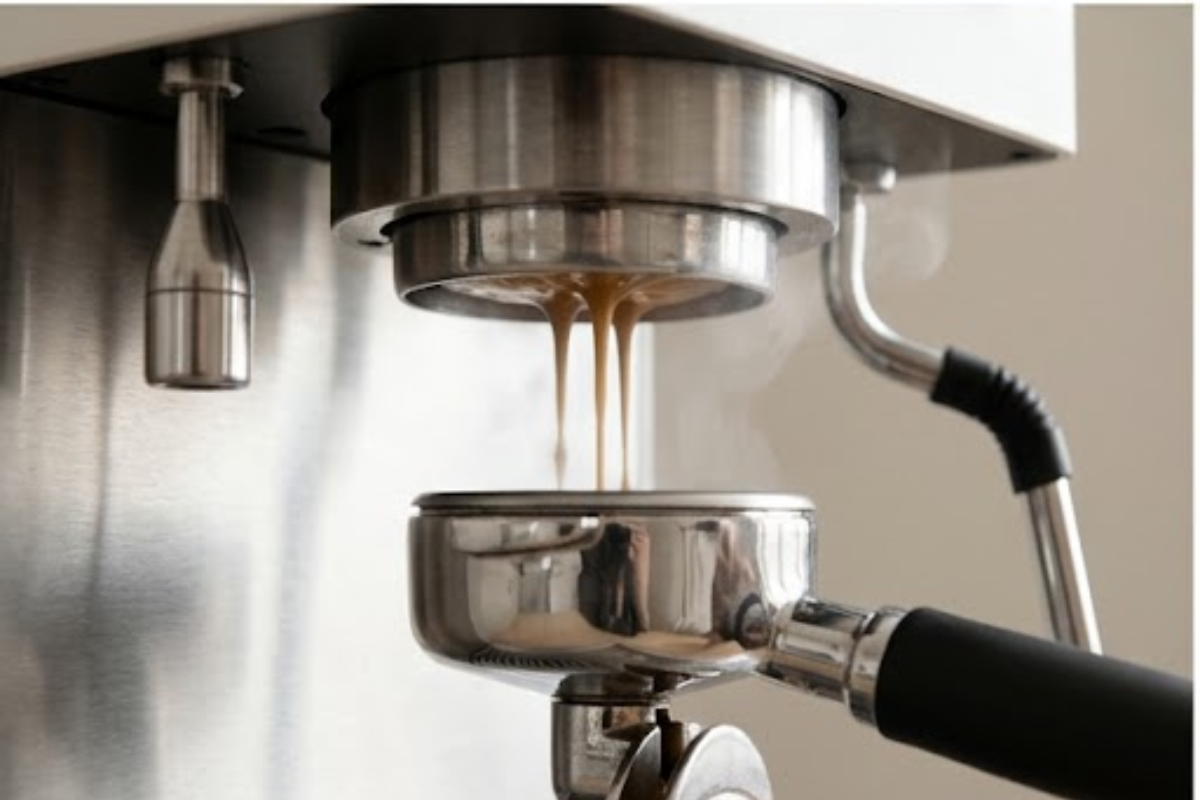
wo cups made from the same bag of coffee can taste surprisingly different. The reason may have nothing to do with the beans. A small change to your coffee machine’s settings can affect how quickly water moves through the grounds, how much flavor gets extracted, and whether the final cup tastes smooth, sour, bitter, weak, or overly strong.
If your morning coffee never tastes quite the way you want, these settings can be worth adjusting.
1. Grind size
Grind size has one of the biggest effects on extraction. Finer coffee grounds give water more surface area to work with, which generally speeds up extraction. Coarser grounds slow it down. Coffee extraction explained on Wikipedia
If your coffee tastes sour, sharp, or thin, the grounds may be too coarse for your machine or recipe. Try moving the grinder one or two steps finer.
If the coffee tastes harsh or bitter, a slightly coarser grind may help.
Make small adjustments rather than moving from one extreme to another. Even a single setting on an automatic machine can noticeably change the cup.
2. Coffee strength
Many automatic coffee machines have a setting labeled “strength,” “aroma,” or something similar. This usually changes how much coffee gets used or how the machine manages the brewing process.
A higher strength setting can produce a more concentrated cup with a heavier body. A lower setting can produce something lighter and easier to drink.
Keep in mind that “stronger” doesn’t necessarily mean more caffeine or better flavor. Strength mainly describes how concentrated the finished coffee tastes.
If your coffee tastes watery, try increasing the strength setting before changing several other variables at once.
3. Water temperature
Water temperature can change which compounds get extracted from the coffee and how quickly that happens. Brewing guides commonly place hot-brewed coffee somewhere around 195°F to 205°F, though the ideal temperature depends on the beans and brewing method.
If your machine allows temperature adjustments, a hotter setting can help a coffee that tastes weak or overly sharp. A slightly cooler setting may help if the cup tastes excessively bitter.
Temperature can also interact with roast level. Darker roasts often don’t need as much heat as lighter roasts.
4. Brew volume
The cup-size button on your machine can quietly change the character of your coffee.
For example, using the same amount of ground coffee to make 12 ounces instead of 8 ounces produces a more diluted drink. Reducing the water volume creates a more concentrated cup.
If your coffee tastes weak despite using a strong setting, try reducing the brew volume. You may get a bigger improvement from this simple adjustment than from changing the beans.
5. Brew time
Some machines allow you to adjust how long water remains in contact with the coffee grounds. Longer contact generally allows more compounds to dissolve into the water.
Too little extraction can leave coffee tasting sour or underdeveloped. Too much can push the cup toward bitterness or a dry, astringent sensation.
Automatic machines don’t always give users direct control over brew time, but grind size can indirectly affect it. A finer grind can slow the flow of water through an espresso puck, while a coarser grind generally allows water to pass more quickly.
6. Pre-infusion
If your espresso machine has a pre-infusion setting, don’t ignore it. Pre-infusion wets the coffee grounds before the machine applies full brewing pressure.
This can affect how evenly water moves through the coffee puck. Changing the setting may produce differences in body, balance, and extraction.
If your espresso tastes inconsistent from shot to shot, experimenting with pre-infusion can be worthwhile once your grind and dose have been dialed in.
7. Coffee-to-water ratio
The amount of coffee compared with the amount of water changes the final concentration. This relationship, often called the brew ratio, can make a noticeable difference even when everything else stays the same.
If your machine lets you control both dose and water volume, try changing one at a time. More coffee with the same water generally produces a fuller, more concentrated cup. More water with the same dose produces a lighter drink.
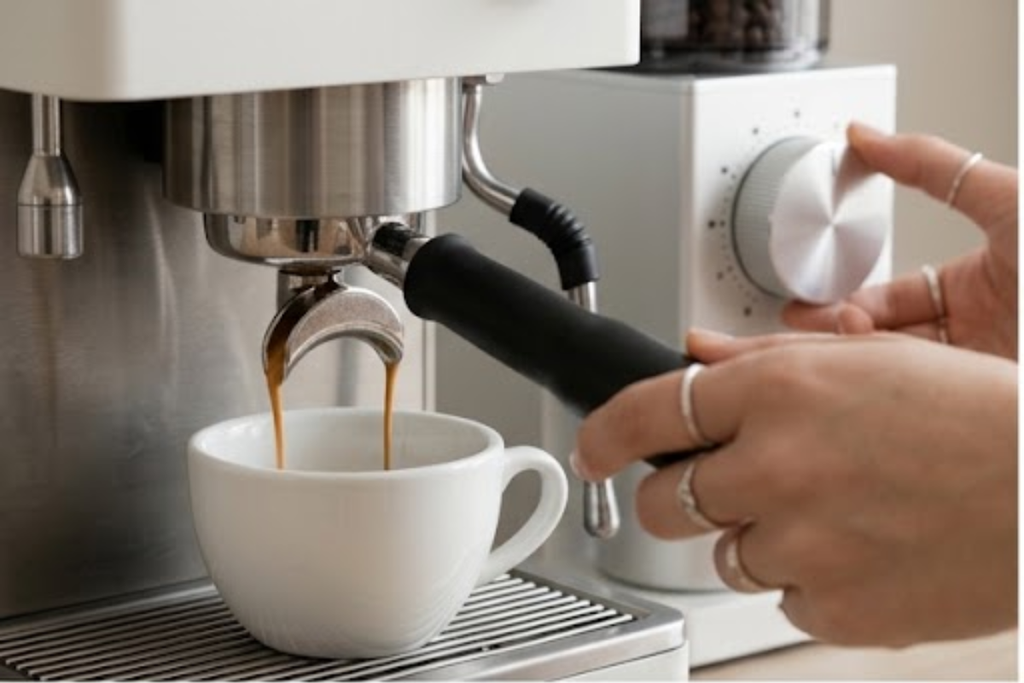
8. Temperature of the finished coffee
Some machines let you adjust the temperature of the drink itself. This doesn’t change extraction in the same way that brewing temperature does, but it can change how the coffee tastes while you’re drinking it.
Coffee’s perceived sweetness, acidity, aroma, and bitterness can shift as it cools.
Rather than immediately reaching for a hotter setting, try tasting your coffee after it sits for a few minutes. You may find that the flavor you prefer appears at a lower drinking temperature.
A simple way to dial in your machine
Don’t change every setting at once. Start with grind size, then adjust strength or brew volume. After that, experiment with temperature and other settings your machine provides.
For a practical introduction to changing grind size, temperature, brew time, and other variables, Perfect Daily Grind’s coffee brewing basics guide provides a useful starting point.
A few small adjustments can turn a cup that’s merely drinkable into one that’s much closer to the flavor you actually want.