Good digestion doesn’t require an elaborate meal plan or a refrigerator full of specialty products. A few familiar foods can give your digestive system more fiber, fermented foods, and nutrients that support the microbes living in your gut.
Your gut contains a large community of microorganisms that interact with the food you eat. Gut microbiota includes bacteria and other microbes that help break down certain foods and interact with digestion, immunity, and other body processes.
The easiest approach? Add a few gut-friendly foods to meals you already eat instead of trying to completely change your diet.
1. Yogurt
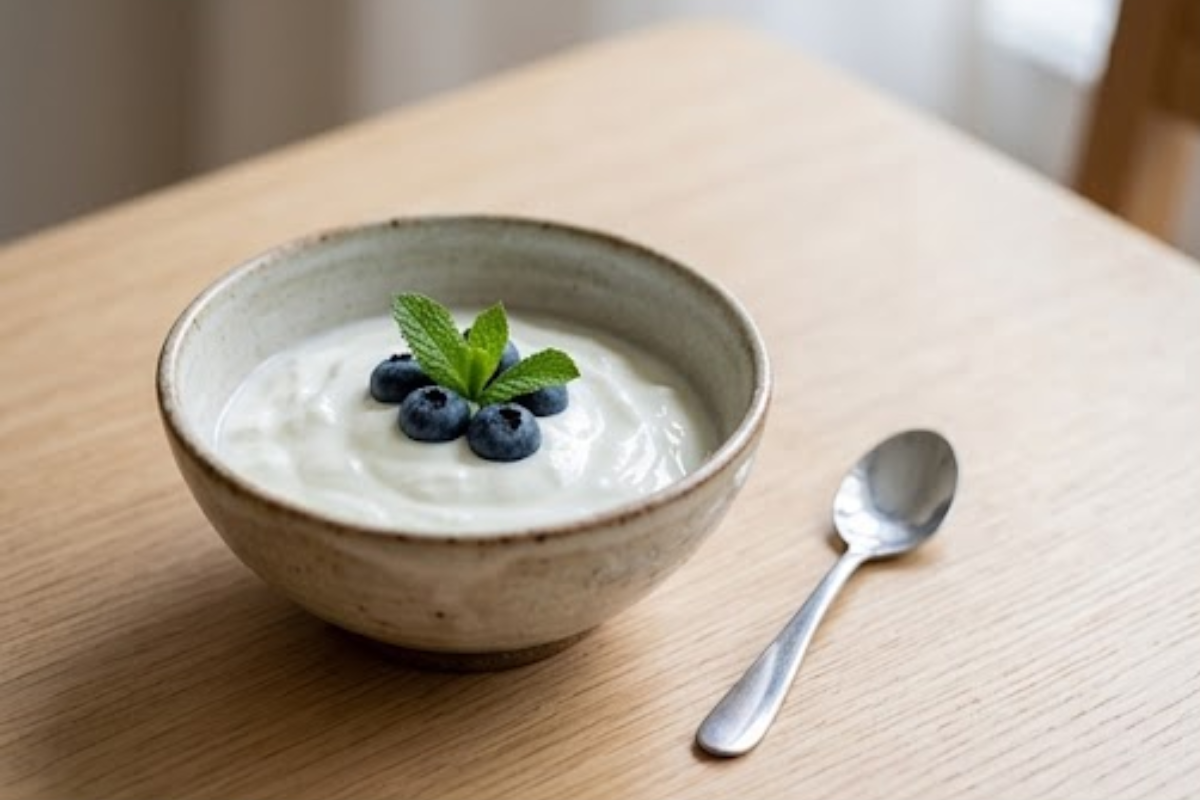
Plain yogurt with live and active cultures makes an easy breakfast or snack. Yogurt can provide probiotics, which are live microorganisms found in certain fermented foods.
Try adding berries, sliced banana, nuts, or oats to plain yogurt. You can also use it instead of mayonnaise in some sandwiches and salads or blend it into a smoothie.
When shopping, check the label for “live and active cultures” and keep an eye on added sugar. Harvard Health recommends choosing lower-sugar yogurt when possible.
2. Oatmeal
A bowl of oatmeal gives you soluble and insoluble fiber, including beta-glucan. Fiber passes through parts of the digestive system without being fully digested, giving gut bacteria material to work with.
Oatmeal takes only a few minutes to prepare and works with plenty of toppings. Add blueberries, strawberries, bananas, chia seeds, walnuts, or a spoonful of plain yogurt.
For an even easier option, prepare overnight oats in a jar and keep them refrigerated for the next morning.
3. Bananas
Bananas require almost no preparation, making them one of the simplest foods to work into a daily routine. They contain fiber and can be eaten on their own or added to oatmeal, yogurt, cereal, and smoothies.
A slightly less-ripe banana also contains resistant starch, which reaches the large intestine and can be fermented by gut bacteria.
If you normally grab a sweet snack during the afternoon, keeping a few bananas on the counter can make the swap effortless.
4. Beans and lentils
Black beans, kidney beans, chickpeas, and lentils pack plenty of dietary fiber into everyday meals. They can be added to soups, chili, salads, tacos, rice bowls, and pasta dishes.
If you don’t regularly eat beans, start with smaller portions. A sudden increase in fiber can cause temporary gas or bloating, so gradually increasing your intake can make the transition easier. Harvard’s Nutrition Source also recommends gradually introducing high-fiber foods.
Canned beans make this particularly simple. Rinse them before adding them to a meal.
5. Berries
Blueberries, raspberries, strawberries, and blackberries can add fiber without much effort. Toss them into breakfast cereal, oatmeal, yogurt, or smoothies, or keep a container of washed berries available for snacking.
Frozen berries work well, too. They can go straight into smoothies or thaw overnight in the refrigerator.
6. Sauerkraut and kimchi
Fermented vegetables can bring live microorganisms into your diet, although not every fermented product still contains live cultures after processing or heating.
A small serving of sauerkraut can accompany a sandwich or sausage, while kimchi works with rice, eggs, noodles, or grilled meats. Check labels for products that indicate live cultures or natural fermentation.
You don’t need a large serving. A spoonful alongside a meal can be an easy starting point.
7. Apples
An apple provides fiber, particularly when you eat the skin. Keep apples somewhere visible at home or work so they’re easy to grab between meals.
Slice one into oatmeal, pair it with peanut butter, or simply take one with you when you’re heading out.
8. Nuts and seeds
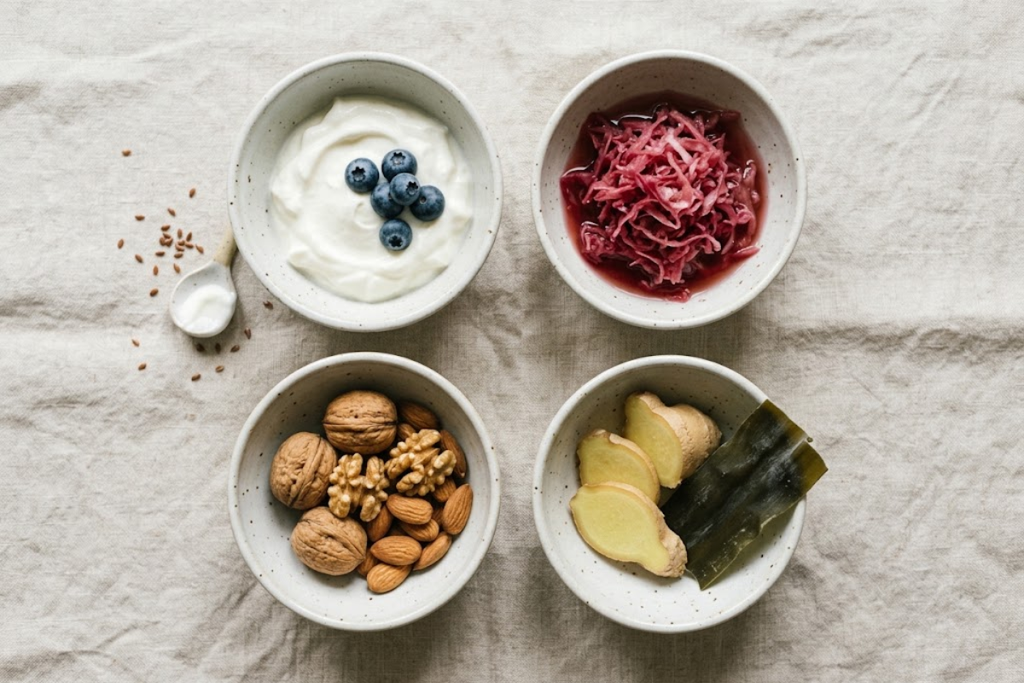
Almonds, walnuts, chia seeds, flaxseeds, and pumpkin seeds can add fiber and other nutrients to meals. Sprinkle them over yogurt or oatmeal, mix them into salads, or keep a small portion available as a snack.
Chia seeds can also be stirred into overnight oats or yogurt. Since fiber intake can add up quickly, moderate portions make sense if you’re not accustomed to eating much fiber.
Making gut-friendly eating easier
You don’t need to eat every food on this list every day. A simple routine could look like oatmeal with banana and berries at breakfast, a bean-based lunch, yogurt as an afternoon snack, and a small serving of fermented vegetables with dinner.
The bigger idea comes from variety. Different plant foods provide different types of fiber, while fermented foods can provide live microorganisms. Harvard Health recommends combining probiotic foods with prebiotic, fiber-rich foods rather than relying on one “superfood.”
Start with foods you already enjoy, add them gradually, and build from there. For most people, that makes a gut-friendly routine much easier to maintain than following a complicated food plan.