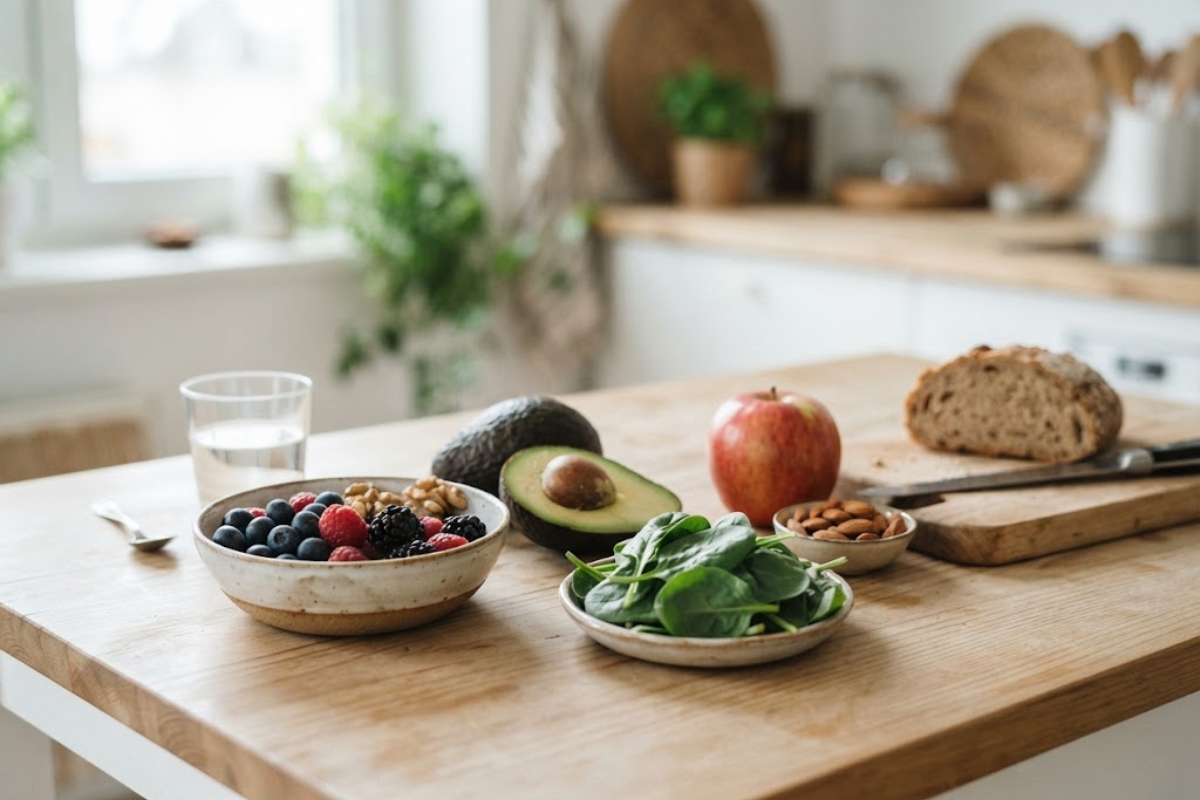
Eyes change with age, and keeping them healthy involves more than regular eye exams. The foods you eat can also provide nutrients that support the retina, lens, and other parts of the eye.
Certain nutrients receive particular attention when it comes to age-related vision concerns, including lutein, zeaxanthin, omega-3 fatty acids, vitamins A, C and E, and zinc. No single food can prevent vision loss, but adding a variety of nutrient-rich foods to your meals can be a practical way to support overall eye health.
Here are several foods worth adding to your regular rotation.
1. Spinach and other leafy greens
Spinach, kale and collard greens provide plenty of lutein and zeaxanthin, two carotenoids found naturally in the retina. These compounds have antioxidant properties and are concentrated in the macula, the part of the eye responsible for detailed central vision.
Try adding spinach to omelets, soups and smoothies, or use kale as the base for a salad. Other options include collard greens, Swiss chard and romaine lettuce.
2. Eggs
Egg yolks make an easy addition to a diet focused on eye health. They contain lutein and zeaxanthin, along with vitamin A and other nutrients. Research from Harvard Health notes that eggs can fit into a healthy eating pattern while providing these eye-friendly compounds.
A hard-boiled egg can work as a quick snack, while scrambled eggs with spinach and peppers make an easy breakfast.
3. Salmon and other fatty fish
Salmon, sardines, tuna and halibut provide omega-3 fatty acids, including DHA. DHA occurs in high concentrations in the retina, while omega-3 fats have anti-inflammatory properties.
For a simple meal, try baked salmon with roasted vegetables or add canned sardines or tuna to a salad.
4. Carrots and sweet potatoes
Carrots have long been associated with eye health, and there is a reason they earned that reputation. They contain beta-carotene, which the body can convert into vitamin A. Vitamin A supports normal vision and healthy eye tissues.
Sweet potatoes provide beta-carotene too and can make an easy side dish. Roasting carrots or sweet potatoes with a little olive oil can make them especially easy to include in regular meals.
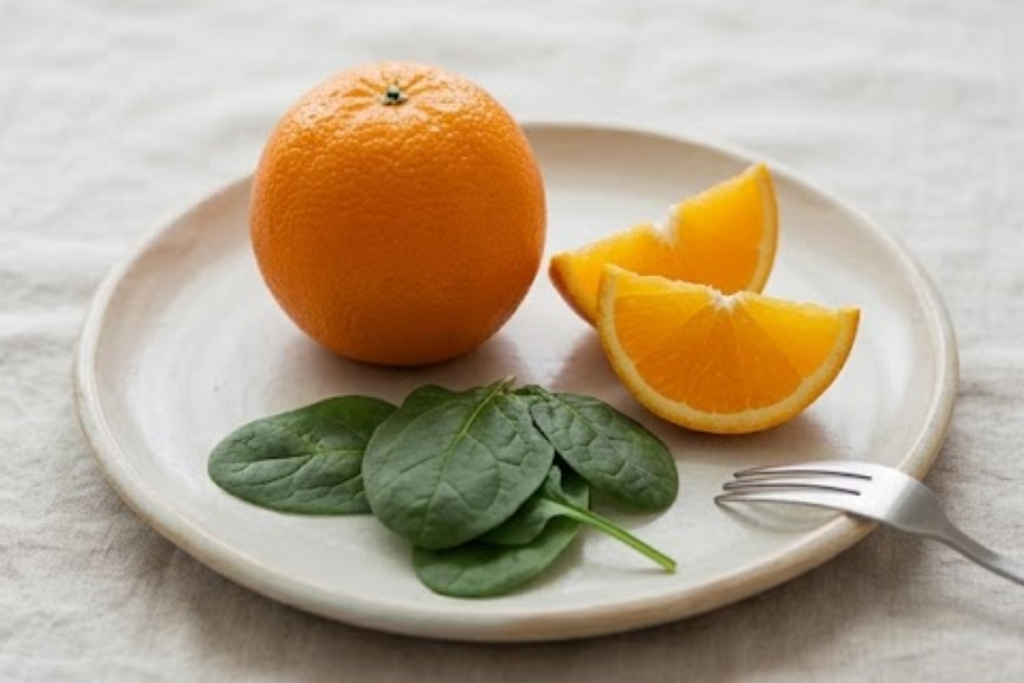
5. Oranges and other citrus fruits
Oranges, grapefruit and other citrus fruits provide vitamin C, an antioxidant nutrient found in many foods associated with eye health. Strawberries and kiwi provide vitamin C as well.
An orange at breakfast or a serving of berries with yogurt can add fruit to the diet without much preparation.
6. Almonds and sunflower seeds
Nuts and seeds can provide vitamin E, another antioxidant associated with eye health. Almonds, sunflower seeds and peanuts are among the food sources commonly recommended for getting vitamin E through the diet.
A small handful of unsalted almonds makes an easy snack, while sunflower seeds can be sprinkled over salads or oatmeal.
7. Bell peppers
Red peppers provide vitamin C along with carotenoids, making them an easy way to add several eye-friendly nutrients to a meal. They work well raw, roasted, stuffed or sliced into salads.
Pairing colorful vegetables with leafy greens can make it easier to get a wider range of nutrients rather than relying on one particular food.
8. Avocados
Avocados provide vitamin E as well as lutein and zeaxanthin. They also contain healthy monounsaturated fat.
Try adding avocado to whole-grain toast, salads, sandwiches or a bowl with beans and vegetables.
Making eye-friendly foods part of your routine
The bigger picture matters more than any individual food. A diet that regularly includes leafy greens, colorful fruits and vegetables, nuts, seeds and fish can provide several nutrients associated with eye health. The National Eye Institute specifically recommends dark leafy greens and fish high in omega-3 fatty acids as part of healthy eating for your eyes.
For more background, you can read about lutein on Wikipedia or Harvard Health’s guide to foods that may help protect your vision.
Eating these foods won’t guarantee perfect vision as you get older, but they can fit into a balanced diet that supports eye and overall health. Regular eye exams still matter, particularly when changes in vision appear.