Hair growth depends on more than shampoo, oils, and styling routines. What you eat also gives your body the protein, iron, vitamins, minerals, and healthy fats needed to maintain hair follicles and produce strong strands. Hair itself consists largely of keratin, a protein, so consistently eating enough protein and other nutrients can help support normal hair growth.
No single food can suddenly make hair grow faster, but a balanced diet can help when nutritional gaps are getting in the way. Here are some foods worth adding to your regular meals.
1. Eggs
Eggs make an easy starting point for a hair-friendly diet because they provide protein along with biotin and other nutrients. Since hair follicles rely heavily on protein production, regularly getting enough dietary protein matters for healthy hair.
Eggs also contain zinc, selenium, and several B vitamins. Biotin deficiency can cause hair thinning, although people eating a varied diet typically get enough biotin from food.
Try scrambled eggs with spinach, a vegetable omelet, or hard-boiled eggs as a quick snack.
2. Salmon and Other Fatty Fish
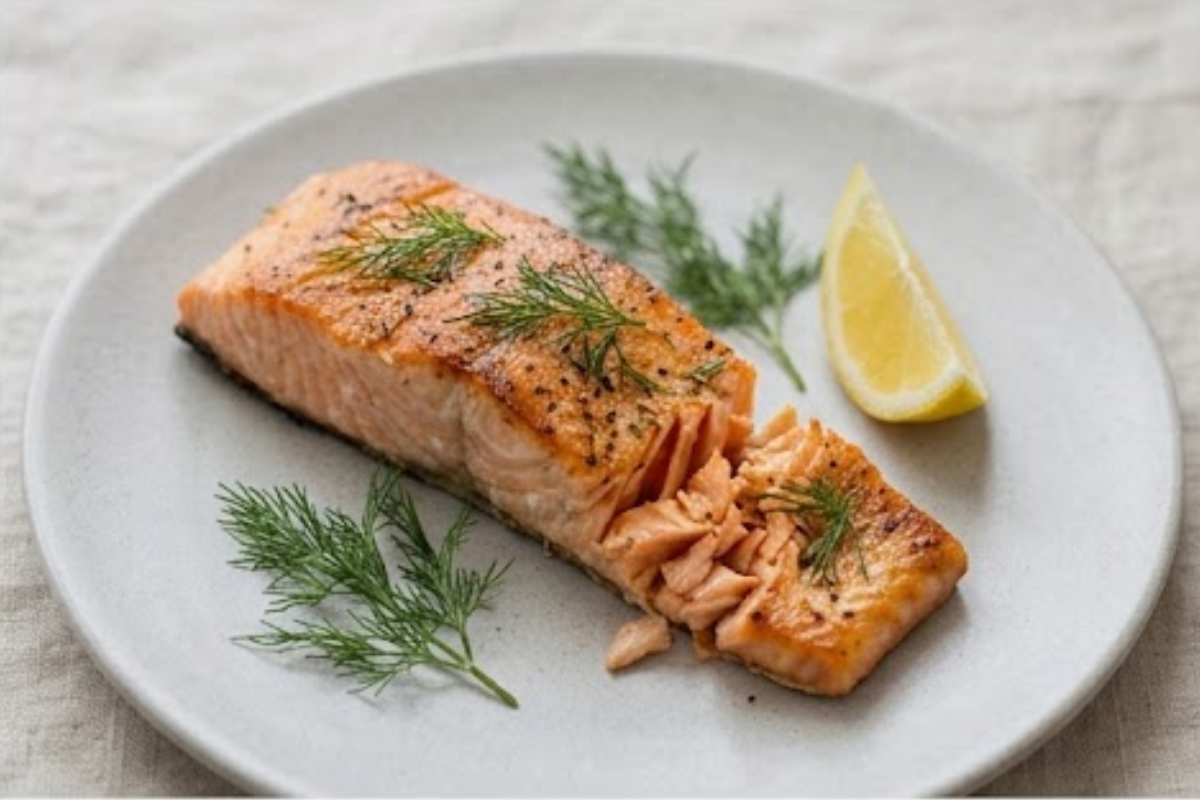
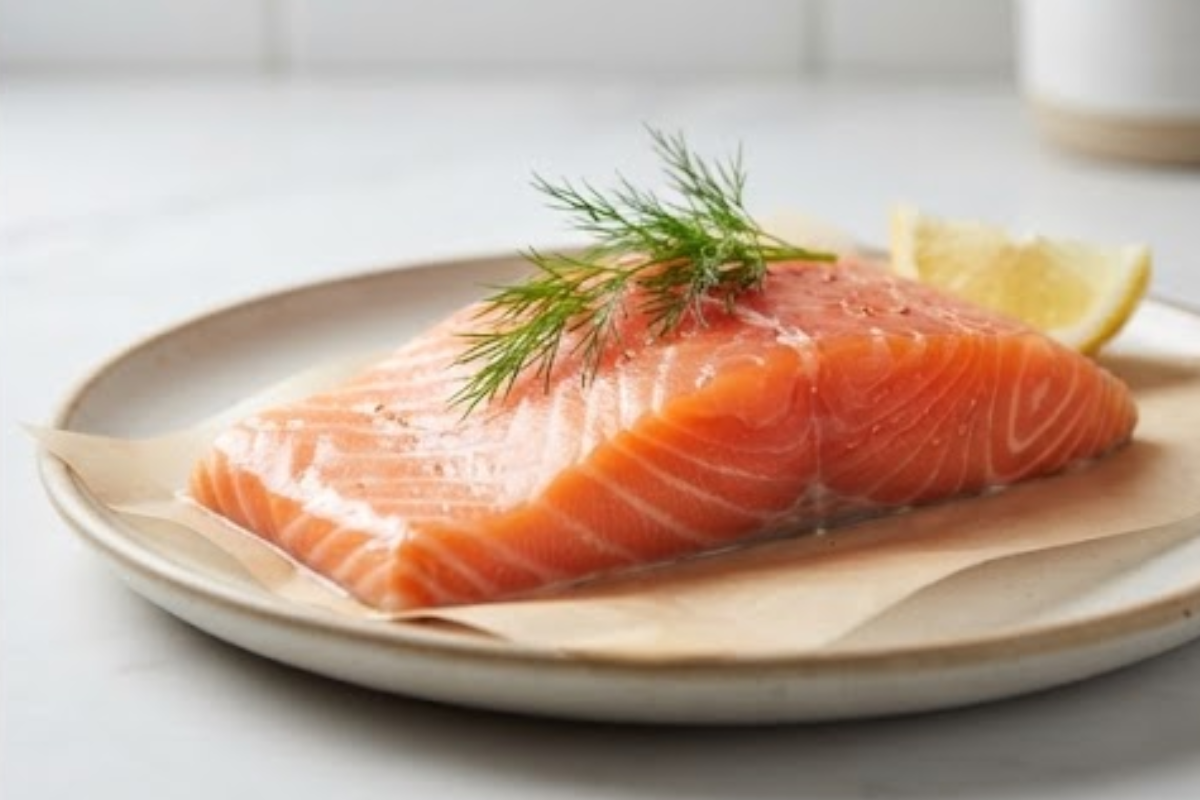
Salmon, sardines, mackerel, and herring provide protein and omega-3 fatty acids. Fatty fish also supplies vitamin D, selenium, and B vitamins.
Omega-3s have been studied for their potential connection with hair growth, although the research remains limited. Getting these nutrients through regular meals makes fatty fish a practical choice for an overall nutritious diet.
For an easy meal, pair baked salmon with roasted vegetables and a whole grain.
3. Spinach
Spinach brings several nutrients associated with healthy hair, including iron, folate, vitamin A, and vitamin C. Iron deserves particular attention because low iron levels can contribute to hair loss.
Spinach works in salads, omelets, smoothies, soups, and pasta dishes. Pairing plant sources of iron with vitamin C-rich foods can also help your body absorb the iron.
4. Berries
Strawberries, blueberries, raspberries, and blackberries provide vitamin C and antioxidant compounds. Vitamin C helps the body produce collagen and also improves absorption of iron from plant foods.
A bowl of berries with Greek yogurt makes an easy breakfast, while frozen berries work well in smoothies.
5. Sweet Potatoes
Sweet potatoes contain beta-carotene, which the body converts into vitamin A. Vitamin A supports normal cell growth and helps maintain the skin and tissues around hair follicles.
There can be too much of a good thing with vitamin A, though. High doses from supplements can actually contribute to hair loss, so food sources such as sweet potatoes make a sensible way to get this nutrient.
6. Avocados
Avocados provide vitamin E and healthy fats. Vitamin E acts as an antioxidant, while healthy fats help provide energy and support normal body functions.
Add sliced avocado to toast, salads, tacos, or grain bowls. It also works well alongside eggs for a protein-rich breakfast.
7. Nuts and Seeds
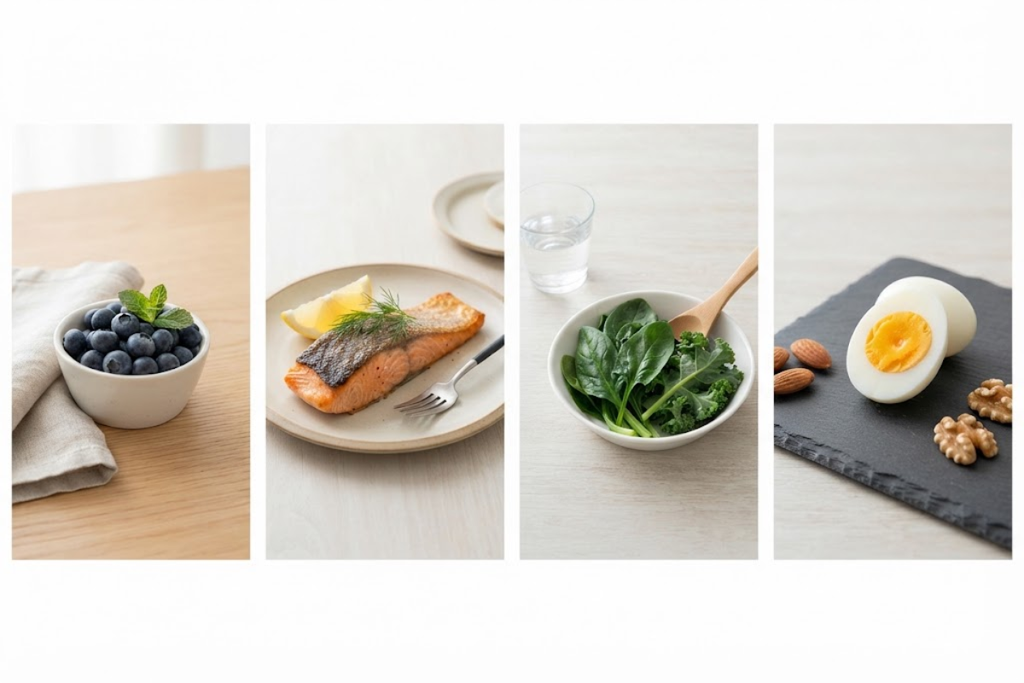
Almonds, walnuts, sunflower seeds, chia seeds, flaxseeds, and pumpkin seeds pack several nutrients into a small serving. Depending on the type, they can provide vitamin E, zinc, selenium, B vitamins, protein, and essential fatty acids.
A small handful makes an easy snack, while pumpkin or sunflower seeds can add crunch to salads and oatmeal.
8. Beans and Lentils
Beans and lentils can help people who rely heavily on plant-based meals get both protein and iron. Lentils, chickpeas, black beans, and kidney beans can also provide zinc and other nutrients.
Since inadequate protein and iron intake can contribute to hair shedding, these foods can fit well into meals designed around overall nutritional balance.
Try lentil soup, chickpea bowls, bean tacos, or a simple three-bean salad.
9. Oysters
Oysters may not appear on everyone’s weekly menu, but they contain a particularly high amount of zinc. Zinc supports normal tissue growth and repair, and inadequate zinc intake can contribute to hair loss.
For people who enjoy seafood, oysters can provide zinc alongside protein and other nutrients.
10. Greek Yogurt
Greek yogurt provides protein and can also supply vitamin B12, zinc, and other nutrients depending on the variety. Protein intake matters because hair follicles need amino acids to produce keratin.
For a simple breakfast, combine plain Greek yogurt with berries, chia seeds, and a handful of almonds.
Building a Hair-Friendly Plate
Instead of searching for one miracle food, think about variety. A meal containing eggs or fish for protein, spinach or beans for iron, berries or peppers for vitamin C, and nuts or seeds for healthy fats can cover several nutritional bases at once.
Food cannot override genetics, hormonal changes, certain medical conditions, or other causes of hair loss. But when diet plays a part, filling nutritional gaps can give hair follicles the nutrients they need to function normally. Hair loss can have many causes, including genetics, hormonal changes, medications, and nutrient deficiencies.
For more background on how nutrition relates to hair health, see hair loss and this hair growth food guide from Healthline.