Healthy eating can get confusing when a food has a wholesome reputation but packs more calories than expected. Nuts, avocado, granola and smoothies can all fit into a balanced diet, yet portions can add up quickly.
Calories simply measure energy in food, and foods with more fat tend to pack more calories into smaller portions. calorie That doesn’t make these foods “bad.” It just makes portion size worth paying attention to.
Here are 10 foods that can catch you off guard.
1. Granola
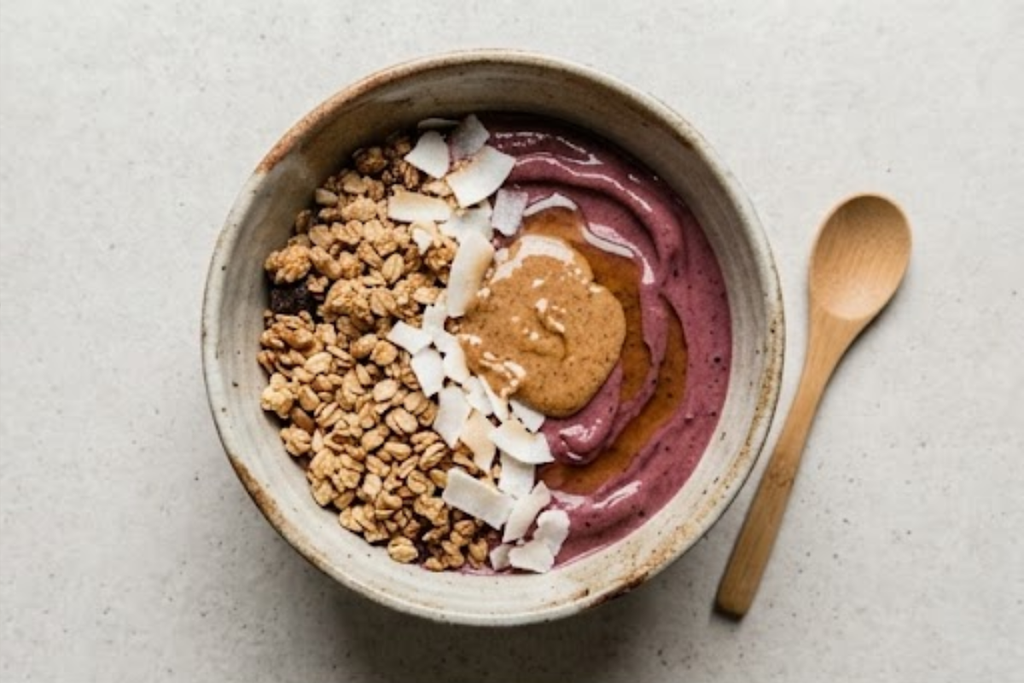
Granola often starts with nutritious ingredients such as oats, nuts and seeds. The surprise comes from what gets added during preparation. Oils, honey, maple syrup, sugar and dried fruit can turn a small serving into a fairly calorie-heavy snack.
A serving may also be smaller than it looks. Some packaged granolas list a serving as just ¼ cup, which can make a typical cereal-bowl portion several servings.
Check the serving size, added sugar and total calories before pouring.
2. Nut Butters
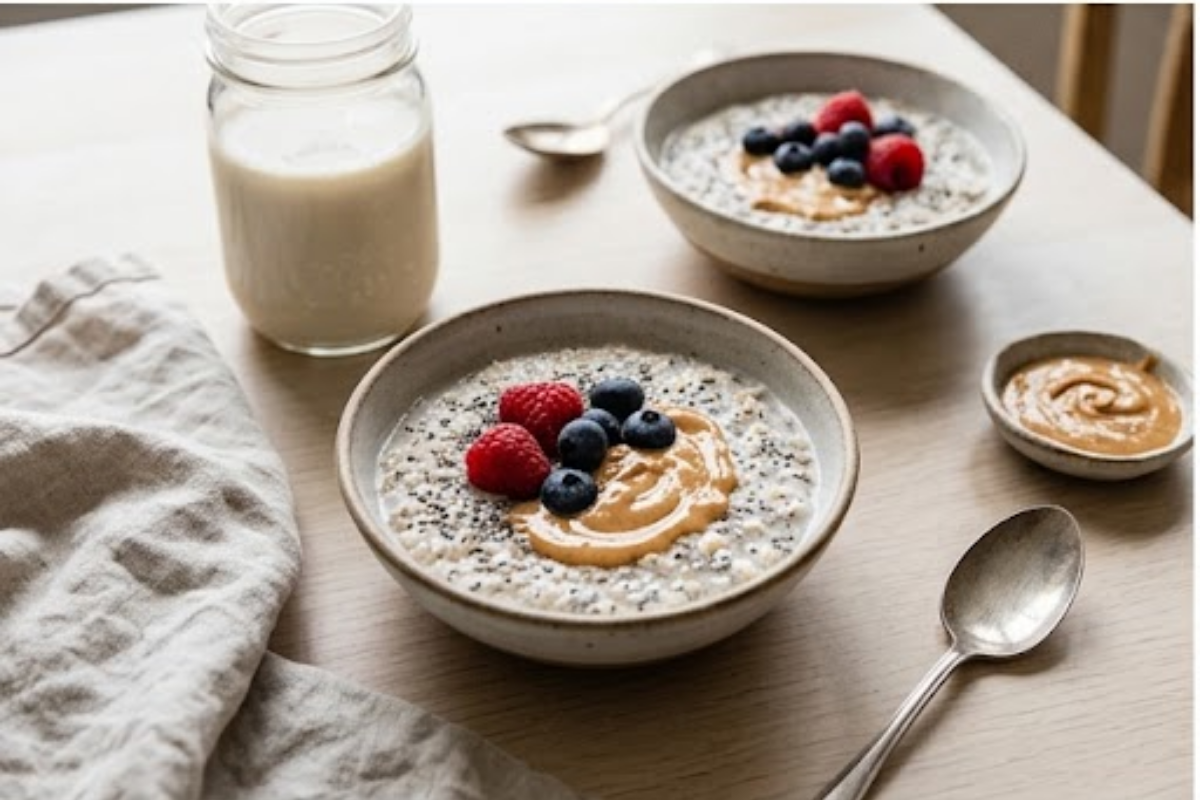
Peanut butter, almond butter and other nut butters contain protein, unsaturated fats and other nutrients. They’re also extremely concentrated.
A couple of tablespoons can add roughly 180–200 calories depending on the variety. That’s easy to overlook when spreading it on toast, stirring it into oatmeal or eating it straight from the jar.
The problem often comes from treating nut butter like a sauce rather than a calorie-dense food.
3. Avocado
Avocado has plenty going for it, including fiber and unsaturated fat. Unlike many fruits, however, it contains a substantial amount of fat, which makes it more calorie-dense.
Half an avocado can contain around 120–160 calories depending on its size. Add it to toast with olive oil, eggs and cheese, and breakfast can become much more calorie-heavy than expected.
Avocado doesn’t need to disappear from your plate. A few slices can provide plenty of flavor and texture.
4. Smoothies
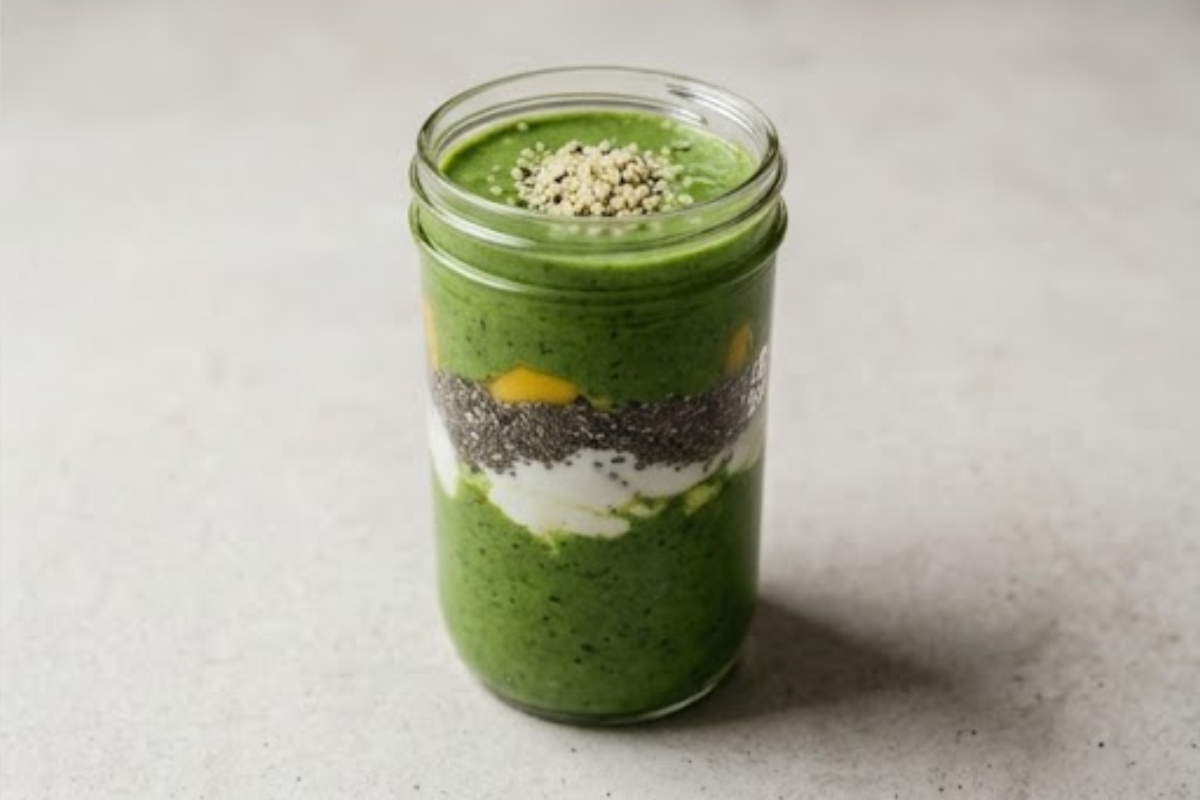
A homemade fruit smoothie can look like the perfect healthy breakfast. The calorie count can climb when several ingredients get blended together.
A smoothie containing banana, berries, Greek yogurt, nut butter, milk, oats, honey and seeds may contain more calories than a full meal.
The issue comes from drinking several servings of food at once. Whole fruit also tends to take longer to eat than fruit blended into a drink.
5. Trail Mix
Trail mix sounds like a smart snack, and many versions contain nuts, seeds and dried fruit. But those ingredients can pack plenty of calories into a small handful.
Chocolate chips, candy pieces, sweetened dried fruit and added oils can push the number even higher.
Because trail mix takes up so little space, it’s easy to eat several hundred calories without feeling like you’ve had much food.
6. Hummus
Hummus contains chickpeas, tahini, olive oil and other ingredients that can provide fiber, protein and unsaturated fats. The calorie count comes largely from tahini and oil.
A couple of tablespoons may not seem like much, but dipping vegetables, spreading hummus on pita and adding another spoonful to a wrap can quickly increase the total.
Measure it occasionally if you’re trying to keep portions predictable.
7. Dried Fruit
Raisins, dates, dried cranberries, apricots and other dried fruits can provide fiber and nutrients. Removing water, however, concentrates the fruit into a much smaller package.
It’s easy to eat a large amount of dried fruit in the time it would take to eat a much larger serving of fresh fruit.
Watch for varieties with added sugar, particularly dried cranberries and other sweetened products.
8. Chia Seeds
Chia seeds have become popular in oatmeal, yogurt bowls, smoothies and puddings. They contain fiber, protein and fats, but they’re also calorie-dense.
Just a few tablespoons can add a noticeable amount of calories to breakfast. That’s not necessarily a problem, but adding chia seeds, flaxseeds, nuts and nut butter to the same bowl can turn a light meal into a very energy-dense one.
9. Olive Oil
Olive oil often gets a health halo because it contains mostly unsaturated fat. Yet all oils are highly concentrated sources of calories.
A tablespoon contains roughly 120 calories. A generous pour over vegetables, salad or pasta can easily amount to several tablespoons.
Using a measuring spoon for a few meals can reveal how much oil actually goes into everyday cooking.
10. Full-Fat Greek Yogurt
Greek yogurt can provide protein, calcium and other nutrients, but the full-fat versions naturally contain more calories than nonfat varieties.
The bigger surprise often comes from what gets added. Granola, nut butter, honey, dried fruit and seeds can turn a simple yogurt bowl into a calorie-dense meal.
That combination can still work well for many people. The important part comes from knowing what the entire bowl contains rather than judging the yogurt alone.
Healthy Doesn’t Always Mean Low-Calorie
Many calorie-dense foods deserve a place in a balanced diet. Nuts, avocado, olive oil, seeds and full-fat dairy can provide useful nutrients, while foods such as granola and dried fruit can contribute fiber and other nutrients depending on the product.
The easiest way to avoid accidental calorie overload comes down to portions and labels. A food can have a healthy ingredient list and still contain a lot of calories in a small amount.
For a useful look at choosing granola, including serving sizes, added sugar and fiber, see EatingWell’s guide to choosing healthy granola. A small serving of a calorie-dense food can fit comfortably into a meal; the surprise usually comes when that small serving quietly becomes three or four.