Probiotic foods often get grouped together as “good for your gut,” but that doesn’t mean every fermented food feels comfortable for everyone. Some can cause temporary gas or bloating, particularly when you suddenly add larger portions to your diet. Others tend to be relatively mild and easy to work into everyday meals.
If you’re curious about probiotics but don’t want to overwhelm your stomach, these foods may give you a gentler place to start.
1. Plain yogurt
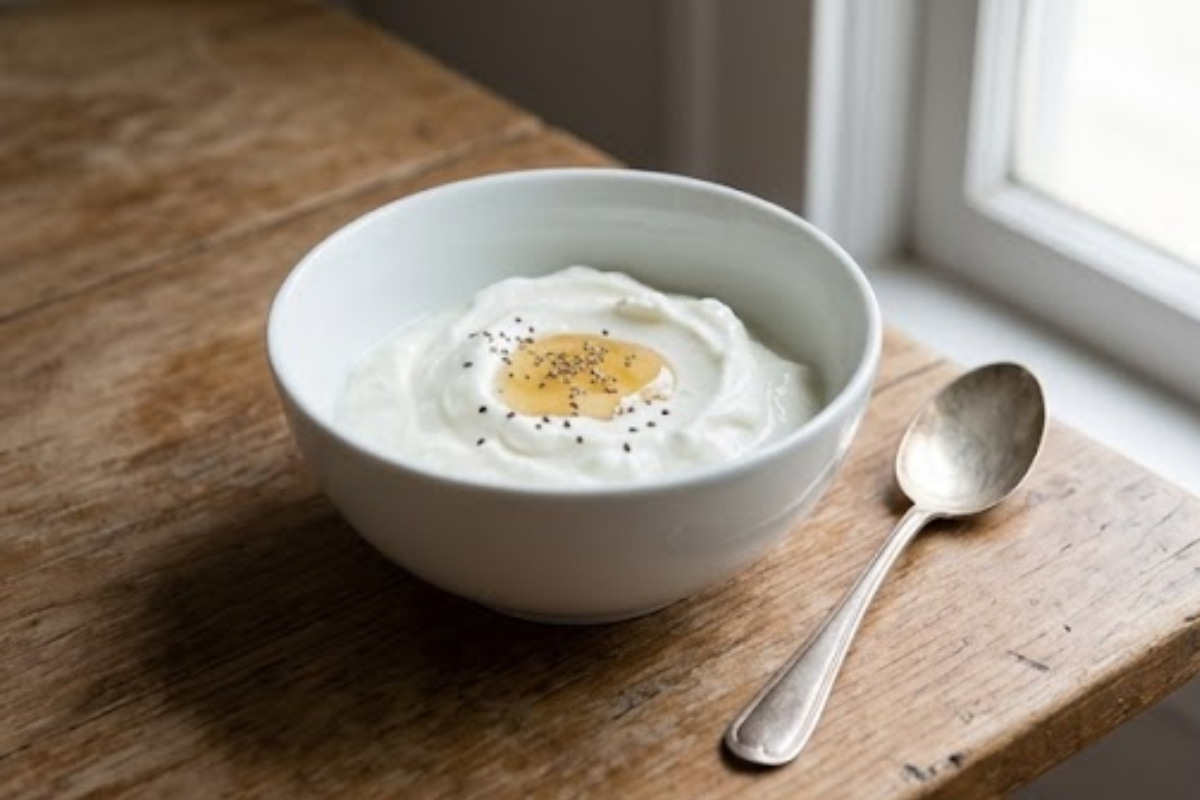
Plain yogurt can be one of the simplest probiotic foods to add to breakfast or snacks. It contains live cultures, including strains of bacteria used to ferment milk.
Look for containers labeled “live and active cultures.” Greek yogurt can work, too, although the amount and types of cultures vary between products.
If regular dairy tends to bother your stomach, lactose-free yogurt may be worth trying. Keep portions modest at first, particularly if you rarely eat fermented foods.
For background on how yogurt is made and fermented, the yogurt overview on Wikipedia provides a useful starting point.
2. Kefir
Kefir resembles a drinkable yogurt but typically contains a wider mix of microorganisms. Its thin texture makes it easy to sip on its own or blend into a smoothie.
Despite its tangy flavor, kefir can feel surprisingly light when consumed in a small serving. Some people also find fermented dairy easier to tolerate than regular milk.
Start with a small glass rather than drinking a large amount at once. Your digestive system may need time to adjust to the change in your diet.
3. Sauerkraut
Sauerkraut consists of fermented cabbage, giving it a distinctly sour flavor and a dose of beneficial microorganisms when it has been naturally fermented.
The important detail sits on the label. Refrigerated sauerkraut that has not been pasteurized may contain live cultures, while heat treatment can reduce or eliminate them.
A spoonful alongside a sandwich, eggs, or roasted meat can be enough to introduce it without making cabbage the centerpiece of your meal.
4. Kimchi
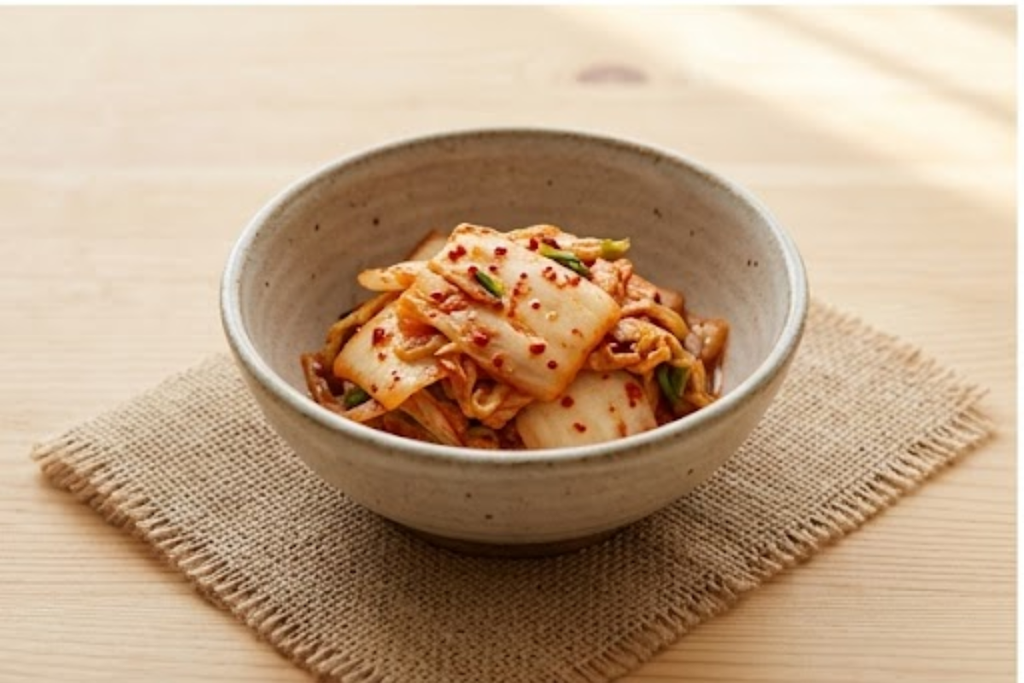
Kimchi brings fermented vegetables, spices, and plenty of flavor to the table. Traditional versions commonly contain cabbage and radish along with ingredients such as garlic, ginger, and chili.
For sensitive stomachs, spicy kimchi may not feel particularly gentle. A milder variety or a smaller serving could make more sense.
Eating a few bites with a meal rather than a large bowl on an empty stomach may also feel more comfortable.
5. Miso
Miso comes from fermented soybeans and commonly appears in Japanese cooking. Miso soup provides an easy way to include fermented food without eating a large portion.
Miso paste can also go into salad dressings, sauces, marinades, and noodle dishes.
If you’re using miso for its live cultures, avoid boiling it for a long period. High heat can affect the microorganisms that fermentation provides.
6. Tempeh
Tempeh takes fermented soybeans and turns them into a firm, sliceable food with a nutty flavor. Unlike some fermented foods, it can become part of a full meal rather than simply functioning as a condiment.
Try thinly sliced tempeh with vegetables, rice, or a grain bowl. Cooking makes it easier to use in everyday meals, although heat can affect some live microorganisms.
7. Pickled vegetables
Not every pickle qualifies as a probiotic food. Traditional lacto-fermented pickles rely on beneficial bacteria during fermentation, while many shelf-stable pickles use vinegar instead.
Check the refrigerated section and read the label for clues about fermentation and live cultures.
A few fermented cucumber slices, carrots, or other vegetables can provide a relatively small serving for people who want to experiment with probiotic foods.
Making probiotic foods easier to tolerate
More isn’t necessarily better when you’re getting started. A sudden increase in fermented foods can leave some people feeling bloated or gassy.
Try one food at a time and begin with a small serving. Eating it alongside a familiar meal may also make the transition easier. Pay attention to how your body responds over several days rather than judging a food after a single bite.
It also helps to remember that probiotic foods differ considerably. Yogurt, kefir, kimchi, miso, and fermented vegetables contain different microorganisms and amounts, so tolerating one doesn’t automatically mean every other fermented food will feel the same.
For a practical guide to fermented foods and probiotics, Harvard Health Publishing’s coverage of probiotics provides more context.
The easiest option may simply be the one you genuinely enjoy eating. Starting with a small portion of plain yogurt, kefir, or another mild fermented food can make experimenting with probiotics feel much less intimidating.