When people think about protein, chicken breasts, steak, eggs, and protein shakes usually come to mind. But plenty of everyday foods can add a surprising amount of protein to your meals.
You don’t need to build every meal around meat or reach for a supplement to increase your protein intake. From breakfast staples to foods commonly found in the pantry, these nine options can make it easier to get more protein throughout the day.
1. Greek Yogurt
Greek yogurt can pack considerably more protein than many people expect from a breakfast food. Depending on the brand and variety, a typical serving can provide around 15–20 grams of protein.
The straining process removes some of the liquid whey, leaving behind a thicker yogurt with a higher concentration of protein. Plain Greek yogurt also works well with berries, nuts, oats, or a little cinnamon.
Check the nutrition label when shopping because protein levels vary between brands, especially among flavored and plant-based versions.
2. Cottage Cheese
Cottage cheese often gets overlooked, but it can be one of the easiest ways to add protein to a snack or meal. A half-cup serving can provide roughly 12–14 grams, depending on the product.
Try it with fruit for a quick breakfast, spread it on whole-grain toast, or add it to scrambled eggs. Low-fat and full-fat varieties have different amounts of calories and fat, so the label can help you pick the version that fits your diet.
3. Lentils
Lentils may look modest on the plate, but they’re packed with plant-based protein. A cup of cooked lentils contains about 18 grams of protein along with roughly 15 grams of fiber.
They work in soups, salads, curries, grain bowls, and even pasta sauces. Their combination of protein and fiber can also make a meal feel more filling.
Harvard’s lentils nutrition guide notes that lentils provide protein, fiber, folate, iron, potassium, and other nutrients.
4. Canned Tuna
A can of tuna can turn a simple lunch into a protein-heavy meal. Depending on the type and serving size, canned tuna can provide around 20–30 grams of protein.
Mix it with Greek yogurt or a small amount of mayonnaise and serve it on whole-grain bread. It also works well in salads, wraps, or pasta dishes.
For canned tuna, it’s worth paying attention to sodium and choosing varieties that fit your dietary needs.
5. Edamame
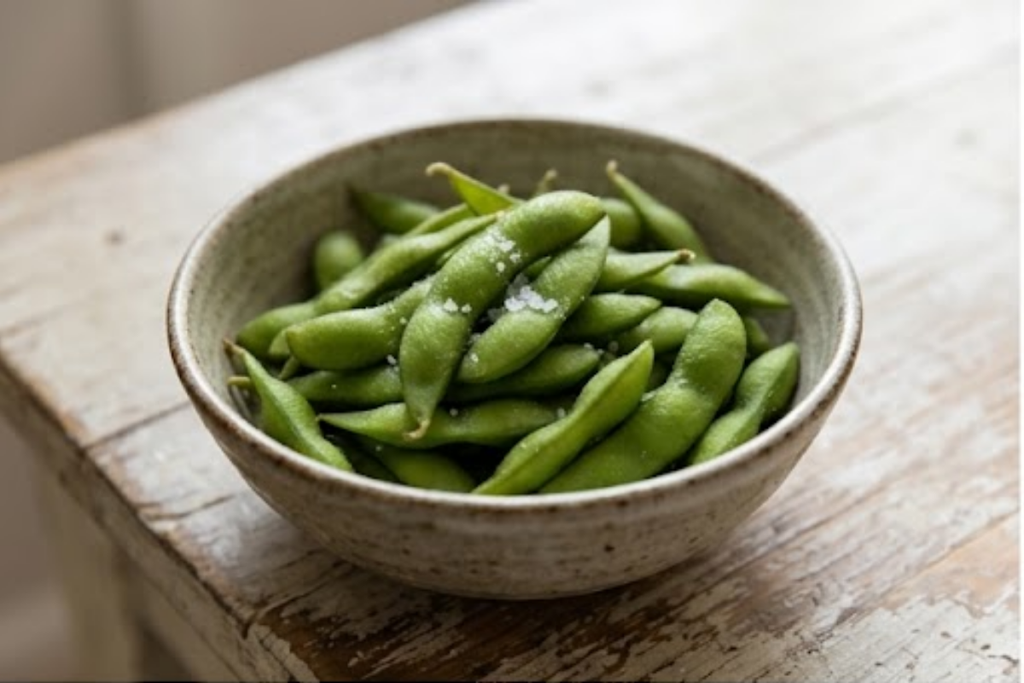
Edamame may look more like a side dish than a protein source, but these young soybeans pack a respectable amount of protein. A cup of cooked, shelled edamame provides roughly 18 grams.
You can eat it warm with a little seasoning, toss it into salads, or add it to rice and noodle bowls. Since soy provides all nine essential amino acids, edamame can also be a useful plant-based protein choice.
6. Oatmeal
Oatmeal isn’t usually considered a high-protein food, but a bowl can contribute more protein than expected. A cup of cooked oatmeal contains around 6 grams.
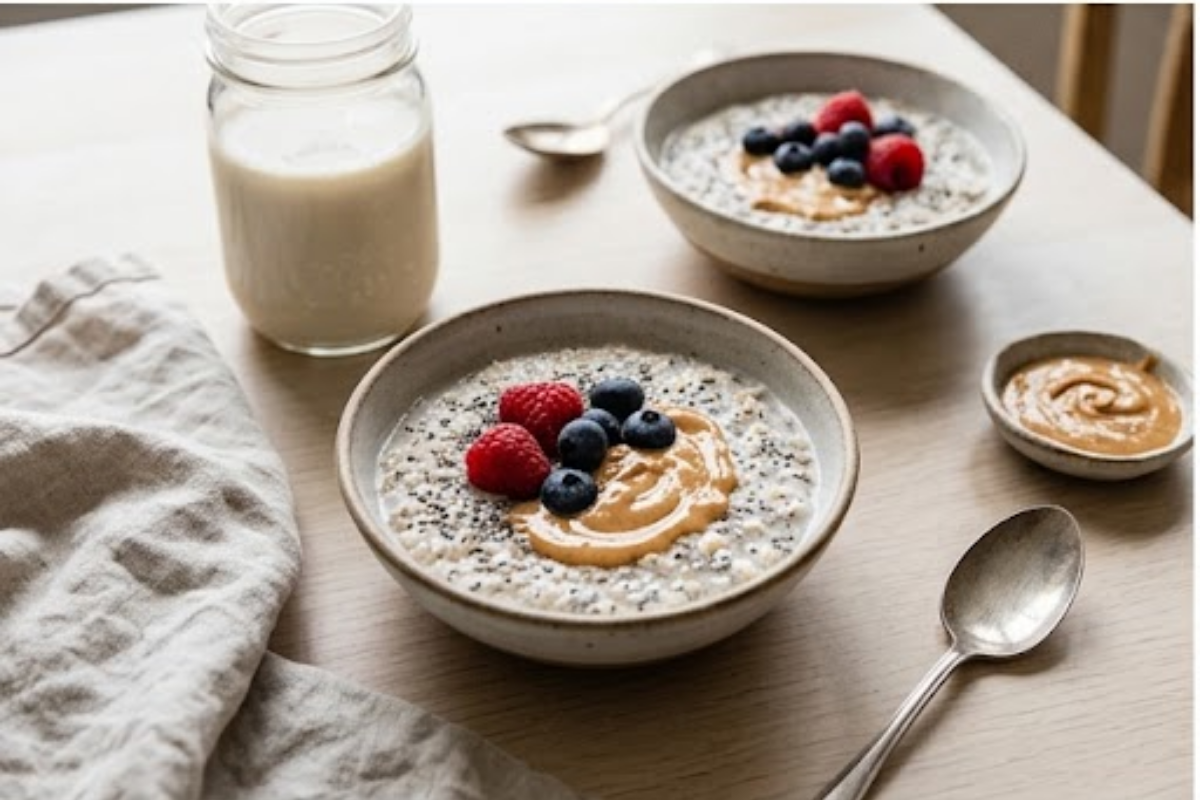
The bigger opportunity comes from what you add. Stir in peanut butter, Greek yogurt, milk, chia seeds, or nuts and the protein content can climb quickly.
That makes oatmeal a particularly easy breakfast to turn into a more balanced meal without changing the basic recipe.
7. Quinoa
Quinoa often gets grouped with grains, but nutritionally it has a useful protein advantage. One cooked cup contains about 8 grams of protein.
It also provides fiber and minerals and works in place of rice in many dishes. Add roasted vegetables and beans for a plant-based bowl, or mix it into a salad for a more substantial lunch.
Harvard Health lists quinoa among plant-based protein sources and notes that it provides all nine essential amino acids.
8. Peanut Butter
Peanut butter may seem more like a source of healthy fats than protein, but two tablespoons typically provide around 7–8 grams of protein.
Spread it on whole-grain toast, stir it into oatmeal, or blend it into a smoothie. Just keep portions in mind because peanut butter packs plenty of calories along with its protein and fat.
Other nut butters can work too, although their protein amounts vary.
9. Milk
A glass of milk can contribute about 8 grams of protein, making it an easy addition to breakfast or a snack. Cow’s milk also supplies calcium and other nutrients.
Use it with oatmeal, cereal, smoothies, or simply drink it alongside a meal. Plant-based milks vary widely in protein content, so check the Nutrition Facts label if protein matters to your choice.
Harvard’s protein guide lists milk at about 8 grams of protein per 8-ounce serving.
A little protein can add up
Getting more protein doesn’t necessarily require changing your entire diet. Adding Greek yogurt at breakfast, lentils to lunch, edamame to dinner, or peanut butter to a snack can gradually increase your daily intake.
The amount of protein you need depends on factors such as body size, age, activity level, and overall health. For healthy adults, the basic recommended intake starts around 0.8 grams per kilogram of body weight per day, though individual needs can vary.
The Wikipedia list of foods by protein content also provides a useful comparison of protein amounts across different foods.