Cars rarely go from perfectly fine to completely broken without giving some clues first. A strange noise, an unfamiliar smell, or a warning light can appear days or even weeks before a repair becomes urgent. The trick lies in noticing these changes and not dismissing them as normal wear and tear.
Here are seven warning signs worth paying attention to.
1. The check engine light keeps coming back
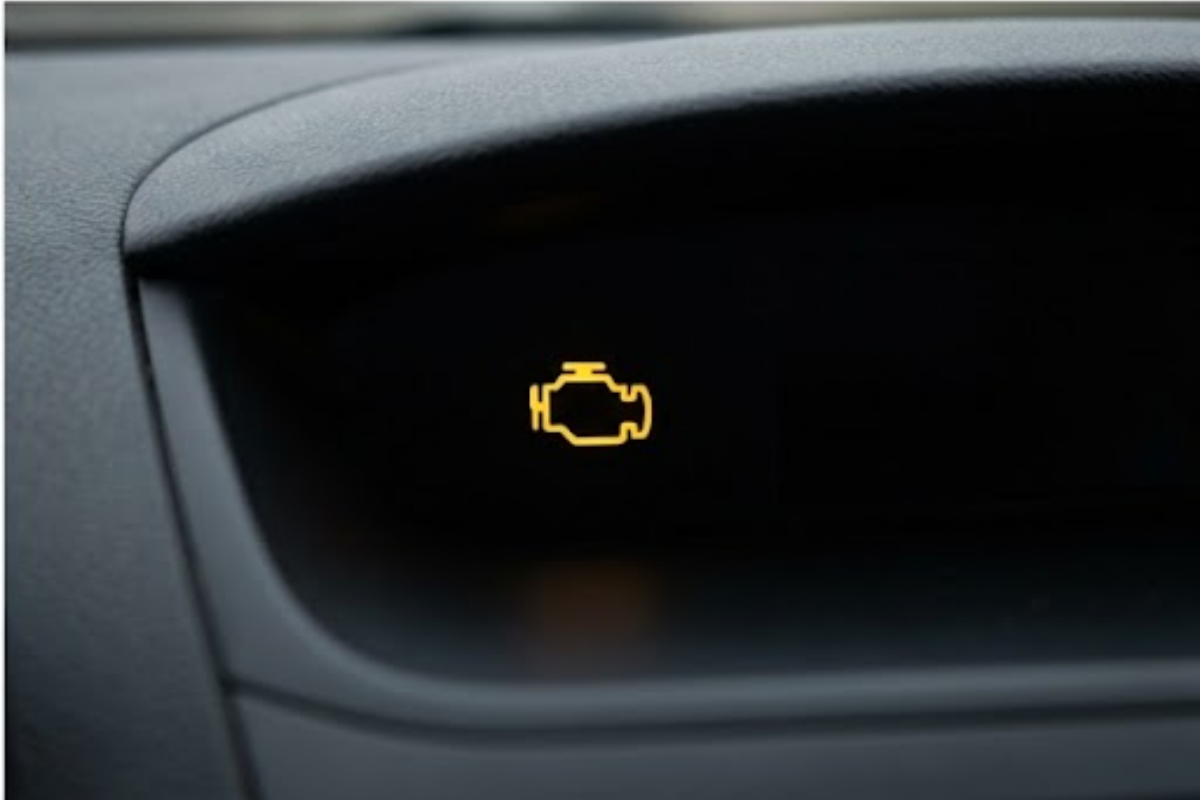
A check engine light doesn’t automatically mean your engine is about to fail. Something as simple as a loose gas cap can trigger it, but the same light can also point to problems with sensors, ignition components, emissions equipment, or the engine itself.
Pay closer attention if the light starts flashing rather than remaining steadily illuminated. A flashing light, especially when accompanied by rough running or unusual noises, calls for prompt attention.
If the car feels normal and the light stays solid, schedule a diagnostic check rather than simply resetting the light and hoping it disappears.
2. Your brakes start making new noises
A squeal when braking can come from worn brake pads, while grinding can mean the friction material has worn down far enough for metal components to contact the rotor. A soft or spongy brake pedal also deserves immediate attention.
Brake systems use different types of brake wear indicators, which can produce a noticeable sound when pads reach a certain level of wear.
Don’t wait for braking performance to become obviously worse. Brake problems can become more expensive when worn components damage rotors or other parts.
3. The car pulls to one side
Does the steering wheel seem to fight you when you’re driving on a straight road? A vehicle that consistently pulls left or right could have an alignment problem, uneven tire pressure, worn suspension components, or uneven tire wear.
A small alignment issue may start as an annoyance but can gradually wear out a tire. If the steering feels loose, the vehicle wanders at highway speeds, or the pulling becomes stronger, have the steering and suspension checked.
4. You notice fluid under the car
A small puddle underneath your vehicle shouldn’t automatically be treated as a disaster, since water dripping from the air conditioner can be completely normal. But oily, colored, or unusually thick fluids deserve a closer look.
Oil, coolant, transmission fluid, brake fluid, and other automotive fluids can leak for different reasons. A falling fluid level combined with a visible leak deserves prompt attention.
Try placing a piece of cardboard beneath the car overnight. The location and appearance of the fluid can give a mechanic useful information about where the leak may originate.
5. The engine starts running rough or vibrating
A smooth idle can suddenly turn into shaking, stumbling, or uneven running. Sometimes the cause involves something relatively straightforward, such as worn spark plugs. In other cases, rough running can point to ignition, fuel-delivery, sensor, or engine problems.
Pay attention to when the vibration happens. Does it occur only while stopped? Does the car shake during acceleration? Does it become worse when climbing a hill?
Those details can help narrow down the problem. Kelley Blue Book also lists shaking during starting, turning, or stopping among symptoms worth having a mechanic diagnose.
6. You see smoke or smell something burning
A burning smell shouldn’t become part of your car’s normal personality.
Smoke from under the hood could relate to leaking fluids contacting hot engine components, overheating, or an electrical problem. A burning rubber smell may point toward belts or other components, while a strong burning-oil smell can accompany an oil leak.
Visible exhaust smoke deserves attention too. The color, amount, and circumstances can provide clues about what’s happening inside the engine. Consumer Reports recommends watching for visible exhaust smoke and burning-fluid smells when evaluating a vehicle.
If you see heavy smoke or the temperature gauge climbs into the overheating range, pull over somewhere safe and shut the engine off.
7. Your tires wear unevenly or keep losing air
A tire that repeatedly loses pressure could have a puncture, valve problem, or slow leak. Uneven tread wear can also point toward alignment or suspension problems rather than simply needing a new set of tires.
Modern vehicles use a tire-pressure monitoring system (TPMS) to alert drivers when tire pressure drops outside the recommended range. Underinflated or overinflated tires can affect handling and accelerate wear.
Check tire pressure regularly and inspect the tread for unusual wear patterns. If one tire repeatedly needs air, don’t keep topping it up indefinitely without finding the cause.
Don’t ignore changes you can feel, hear, smell, or see
Your car doesn’t need to make dramatic noises or leave a huge puddle in the driveway before something deserves attention. Small changes often provide the first clue that a component needs inspection.
A warning light, new vibration, unusual smell, fluid leak, or change in handling may have a simple explanation—or it may point to a repair that becomes more expensive if ignored. Catching the difference early can save both time and money.