Breakfast food calories can be surprisingly high even when a meal looks light. A bowl of cereal, yogurt parfait, bagel with cream cheese, or morning coffee may seem modest, but generous portions and small additions can quietly raise the total.
The issue usually isn’t one specific food. It comes from the extras: spreads, toppings, sweeteners, creamy drinks, and serving sizes that don’t always match what people actually eat.
1. Breakfast Food Calories in Cereal
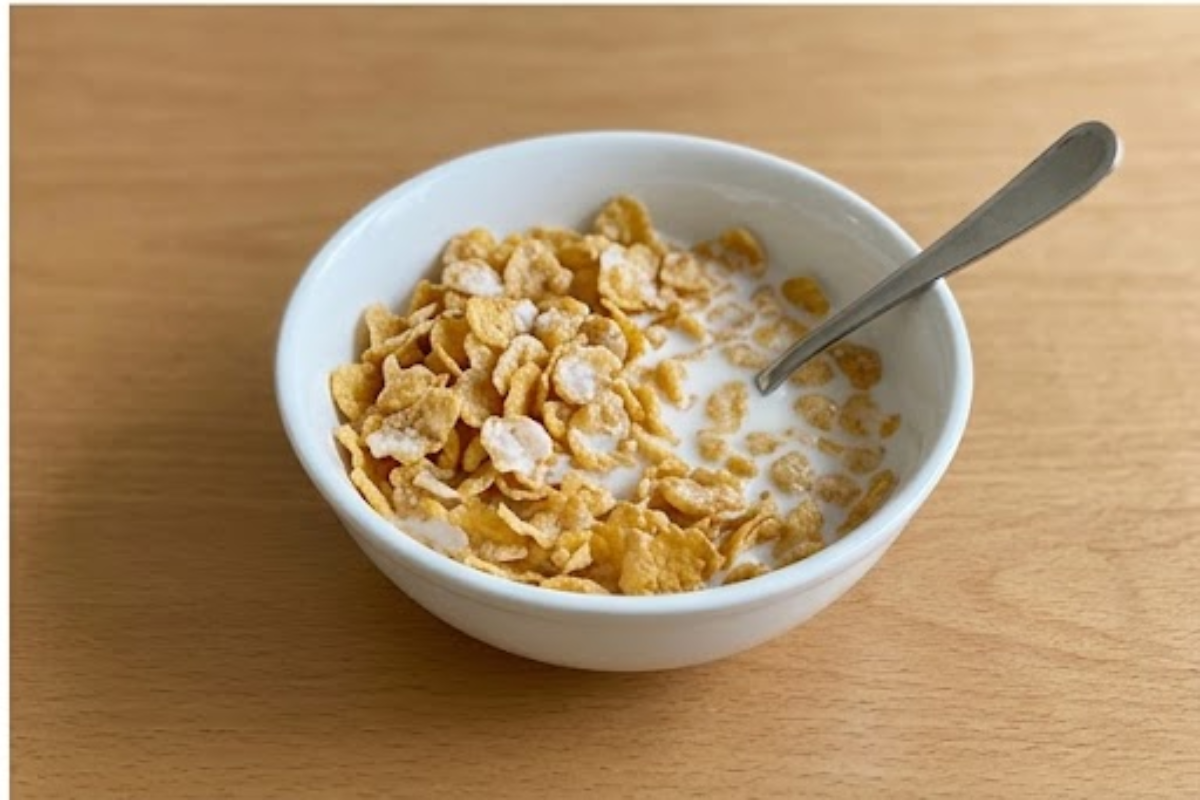
A serving of cereal might contain around 100 to 150 calories before milk enters the picture. Pouring a larger bowl can easily turn one serving into two.
Then comes the milk. Whole milk adds more calories than skim milk, while sweetened plant-based milks can add sugar and calories of their own.
Granola deserves even more attention. Oats, nuts, seeds, dried fruit, and sweeteners can make granola nutritious, but the combination also makes it calorie-dense. A handful can contain considerably more than the serving size printed on the package.
The simple fix: measure cereal or granola at least once. It gives you a better idea of what your usual bowl actually contains.
2. Yogurt Parfait Calories Include the Extras
Yogurt sounds like an easy breakfast choice, but parfaits can become calorie-heavy when multiple toppings pile up.
Sweetened yogurt may contain added sugar. Granola adds more calories, while honey, dried fruit, nut butter, chocolate chips, and coconut can push the total even higher.
A parfait built with plain Greek yogurt, fresh berries, and a modest amount of granola can look very different nutritionally from one loaded with several sweet toppings. Combinations built around yogurt, fruit, and granola can work well when portions and added sugar are considered.
3. Bagel Size Changes the Calorie Count
A traditional bagel can contain several hundred calories before anything gets spread across it.
Cream cheese adds another layer. A thin smear may not add much, but a generous scoop can quickly add well over 100 calories. Flavored cream cheeses can also contain additional sugar or other ingredients.
The size of the bagel matters, too. Many bakery-style bagels are considerably larger than the standard serving assumed on nutrition labels.
If a whole bagel feels like the obvious breakfast choice, checking the package or bakery nutrition information can provide a more realistic estimate.
4. Pancake and Waffle Toppings Add Calories
Plain pancakes or waffles don’t tell the whole story.
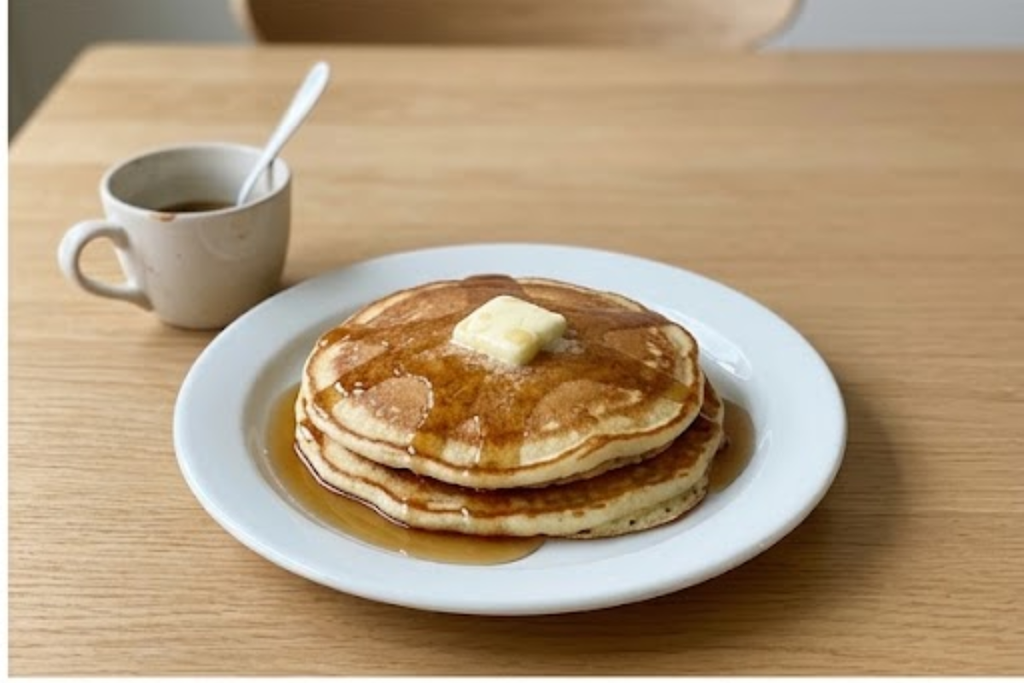
Butter, syrup, whipped cream, powdered sugar, chocolate chips, and fruit sauces can turn a relatively simple breakfast into a much larger meal. Two or three pancakes topped with butter and syrup can add up quickly.
Table syrup, commonly used with pancakes and waffles, typically contains concentrated sweeteners.
For context, pancakes can also come with toppings ranging from butter and syrup to peanut butter, whipped cream, and chocolate syrup.
A useful habit: count the toppings separately instead of mentally treating them as part of the pancake.
5. Specialty Coffee Calories Add Up
Black coffee contains very few calories, but specialty coffee drinks can be a different story.
Milk, cream, flavored syrups, whipped cream, caramel drizzle, and sweetened cold foam can turn a morning coffee into a dessert-like drink.
Even a drink that doesn’t taste extremely sweet may contain calories from dairy and added ingredients. EatingWell has pointed out that some high-sugar coffee drinks can contain substantial amounts of sugar compared with ordinary coffee.
If coffee accompanies breakfast, remember to count the drink rather than treating it as calorie-free.
6. Toast Spreads Change the Total
A slice of whole-grain toast can fit easily into a balanced breakfast. The extras determine how substantial it becomes.
Butter, peanut butter, almond butter, cream cheese, avocado, jam, and honey all add calories. None of these foods need to be avoided, but portions can be easy to underestimate.
A tablespoon of peanut butter looks small on a large slice of toast, yet using two or three spoonfuls can add a few hundred calories.
7. Smoothie Calories Can Equal a Meal
Smoothies often contain healthy ingredients, but healthy doesn’t automatically mean low-calorie.
A smoothie containing banana, berries, Greek yogurt, nut butter, milk, oats, honey, and protein powder can become a full meal—or more—without looking particularly large.
Liquid calories also tend to go down quickly. That’s one reason a smoothie can contain considerably more food energy than someone might expect from a glass.
Portion Size Changes Breakfast Food Calories
Hidden calories aren’t always hidden in the ingredients. Sometimes they’re hiding in the amount being served.
A “serving” of cereal may be smaller than a typical bowl. A tablespoon of peanut butter can turn into three. A drizzle of syrup can become several tablespoons.
Breakfast doesn’t need to become a numbers exercise every morning. But checking serving sizes, measuring calorie-dense toppings occasionally, and paying attention to drinks can reveal where unexpected calories are coming from.
Often, breakfast food calories rise because of the handful of little additions that turn an ordinary morning meal into a much bigger one.
4 thoughts on “The Hidden Calories in Popular Breakfast Foods”