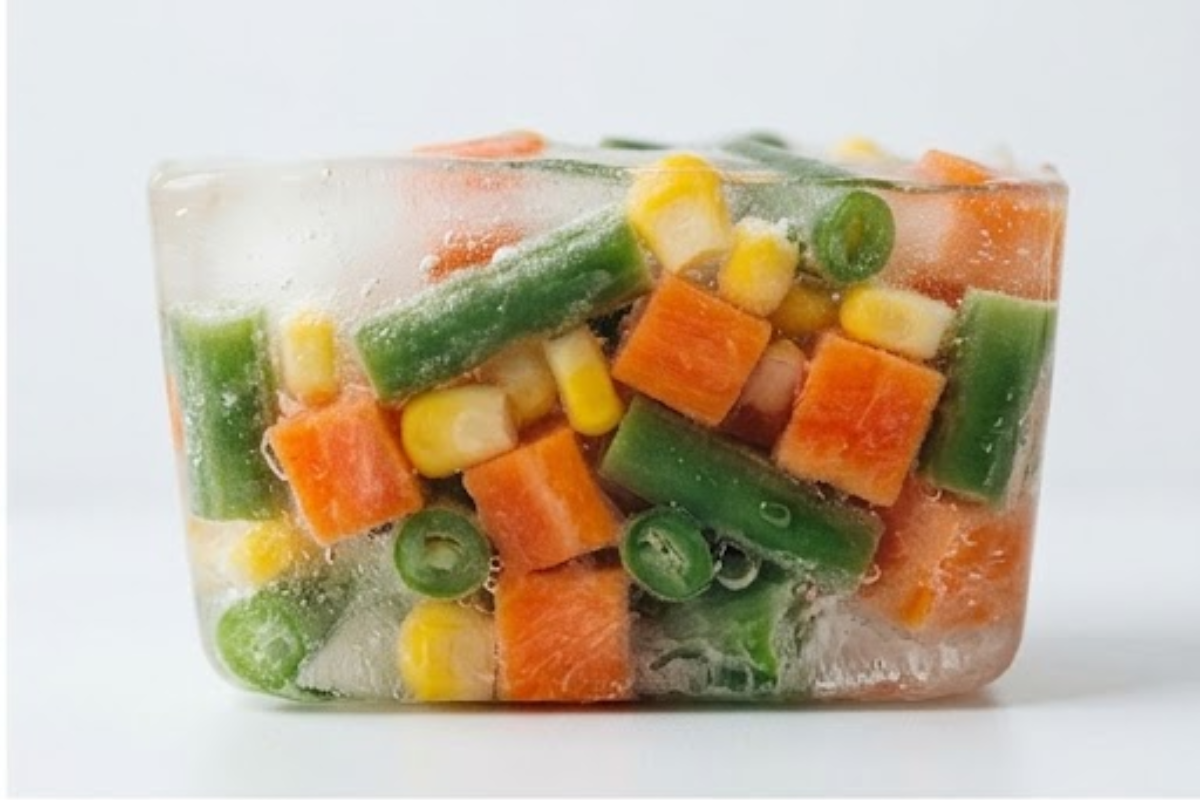
Frozen vegetables nutrition is often misunderstood. Many shoppers assume fresh produce must contain more nutrients and that vegetables lose most of their nutritional value somewhere between the farm and freezer.
The reality is less dramatic. Frozen vegetables can retain much of their original nutrition, and in some cases, they may compare surprisingly well with fresh vegetables sitting in a refrigerator for several days.
1. Frozen Vegetables Are Picked at Peak Ripeness
One reason frozen vegetables hold up well nutritionally comes down to timing.
Vegetables destined for freezing are generally harvested when they have reached a desirable level of ripeness. They are then washed, cut, blanched and frozen relatively quickly. Blanching involves briefly heating vegetables in boiling water or steam before cooling and freezing them. The process helps preserve color, texture and quality during storage.
Fresh vegetables, meanwhile, can spend days moving through transportation, grocery-store displays and home refrigerators. Certain nutrients, particularly vitamin C, can decline during storage after harvest.
That means a bag of frozen broccoli isn’t automatically less nutritious than the fresh broccoli sitting in the produce aisle.
2. How Freezing Affects Vegetable Nutrition
Frozen vegetables aren’t nutritionally identical to freshly harvested vegetables.
The biggest change often happens before freezing during blanching. Heat-sensitive, water-soluble nutrients such as vitamin C and some B vitamins can decrease during this step. Research reviewed by Healthline has found that nutrient losses vary considerably depending on the vegetable and processing method.
But that doesn’t mean frozen vegetables become nutritionally empty. Fiber, minerals and many other nutrients remain relatively stable, and studies comparing supermarket fresh produce with frozen varieties often find fairly small differences overall.
For more background on the process, see the freezing article on Wikipedia.
3. Fresh vs. Frozen Vegetables Nutrition
Fresh vegetables have one obvious advantage when they’re recently harvested and eaten soon afterward. But supermarket produce isn’t necessarily consumed at that point.
A fresh vegetable can spend time in transit, on a store shelf and in a refrigerator before it reaches the dinner table. During that period, certain nutrients can gradually decline. Frozen vegetables have already gone through processing designed to slow deterioration.
This creates an interesting comparison: freshly picked vegetables may have an edge, but supermarket-fresh vegetables versus frozen vegetables can be a much closer contest. Some studies have even found higher levels of particular nutrients in frozen vegetables than in fresh produce that had been stored for several days.
4. Added Sauces Can Change the Nutrition
Plain frozen vegetables typically contain little more than the vegetable itself. That’s the type worth looking for.
Frozen broccoli, peas, green beans, spinach, and mixed vegetables can fit easily into meals or a nutritious salad without bringing much extra sodium, sugar, or fat.
The situation changes with products containing cheese sauce, butter sauce, gravy or seasoning blends. Those additions can increase hidden calories and sodium considerably. Checking the ingredient list and Nutrition Facts label can help separate a plain bag of vegetables from a prepared side dish.
5. Cooking Methods Matter, Too
How vegetables reach the plate can affect their nutrient content.
Long boiling can cause some water-soluble nutrients to move into the cooking water. Steaming, microwaving, air-frying, or quickly stir-frying vegetables can reduce the amount of water and cooking time involved.
Frozen vegetables also don’t necessarily need to be thawed first. Many can go straight into a skillet, soup, stir-fry or steamer, which makes it easier to prepare them without prolonged cooking.
For another useful look at frozen produce and nutrition, see Healthline’s guide to frozen vegetables.
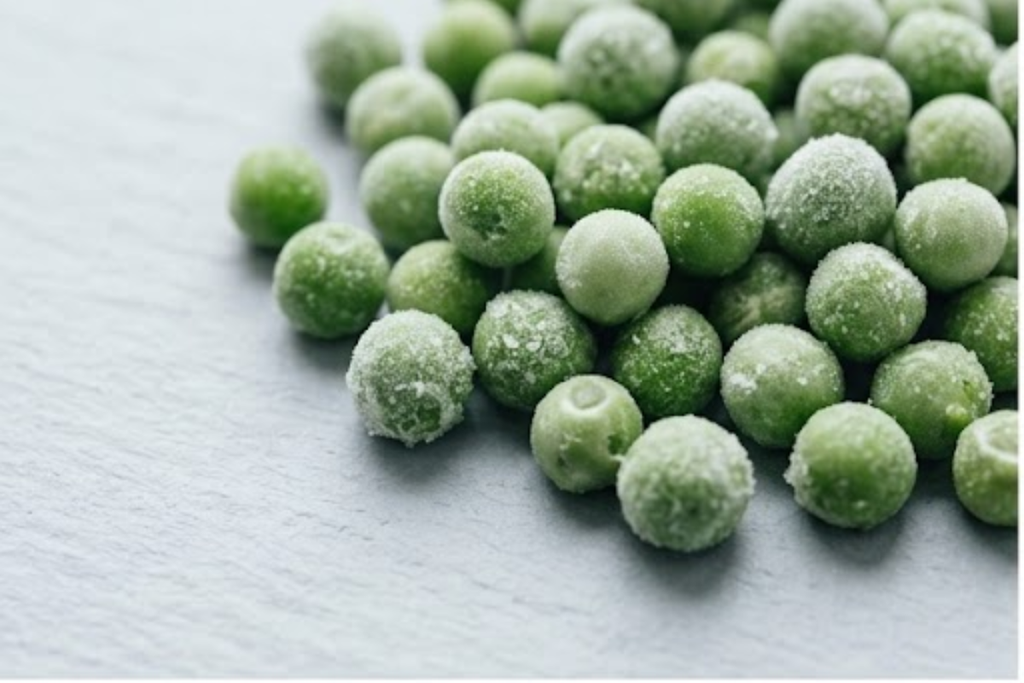
6. Is Frozen Vegetables Nutrition Good Overall?
Yes. Frozen vegetables can retain plenty of vitamins, minerals, fiber and plant compounds, making them a practical choice for everyday meals.
They don’t have to beat fresh vegetables to earn a place in the freezer. The more useful comparison involves how quickly the fresh vegetables will be eaten, how they have been stored, what has been added to the frozen version and how both options will be cooked.
For many households, keeping a few bags of plain frozen vegetables on hand can make it easier to add vegetables to pasta, rice, eggs, soups, casseroles and quick weeknight meals.
The bottom line: frozen vegetables nutrition can compare well with supermarket-fresh produce, even though freshly picked vegetables may be hard to beat. In many supermarket comparisons, the difference can be much smaller than shoppers expect.


3 thoughts on “The Truth About Frozen Vegetables and Their Nutritional Value”