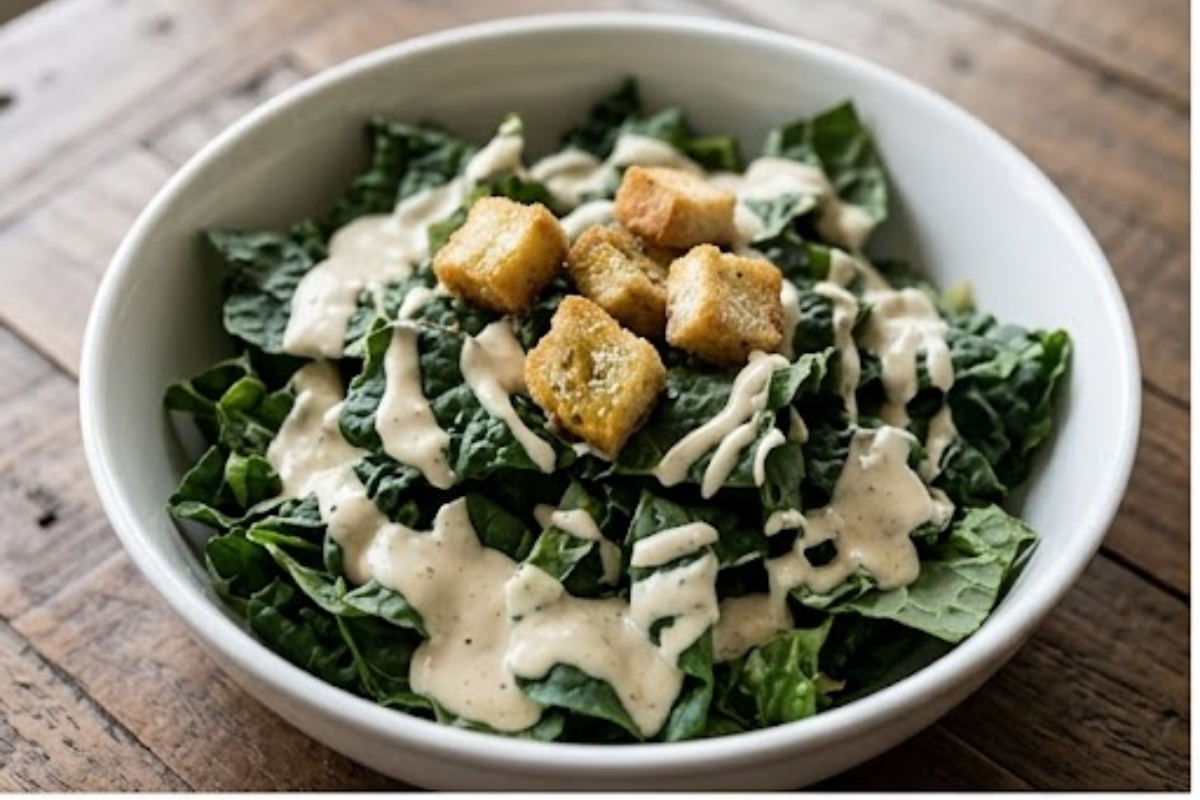
Healthy salad calories can be much higher than expected. A bowl full of lettuce, tomatoes, cucumbers, carrots, and other vegetables may look like an obvious light meal, yet toppings and dressing can quickly turn it into a calorie-dense entrée.
The vegetables usually aren’t the issue. Lettuce, cucumbers, and tomatoes contain relatively few calories. The bigger difference comes from ingredients added to make a salad more filling, flavorful, and satisfying.
1. Dressing Drives Up Healthy Salad Calories
Salad dressing often provides the biggest calorie surprise. Oil-based and creamy dressings can contain a substantial amount of fat in a relatively small serving.
A tablespoon of olive oil contains about 120 calories, while some creamy dressings can add a similar amount or more depending on the recipe. The problem becomes easier to miss when dressing gets poured directly over a large bowl rather than measured.
A “healthy” dressing can still contain plenty of calories. Olive oil, avocado oil and other unsaturated fats can fit comfortably into a balanced diet, but their calorie content doesn’t disappear because the fat comes from a nutritious source.
For a quick primer on the different types, see salad dressing.
2. Nuts and Seeds Add Up Quickly
Almonds, walnuts, pecans, sunflower seeds and pumpkin seeds can turn a plain salad into a more satisfying meal. They also pack calories into small portions.
A handful of nuts can easily add well over 100 calories. A salad topped with nuts, seeds and an oil-based dressing can therefore contain several hundred calories before the main protein even enters the bowl.
That doesn’t make these ingredients bad choices. The issue comes from portion size. A small sprinkle can provide crunch and flavor, while several large handfuls can change the calorie count considerably.
3. Cheese Can Be a Hidden Calorie Source
Cheese brings protein, calcium and plenty of flavor, but it also adds calories quickly.
A salad with feta, shredded cheddar, Parmesan, goat cheese or blue cheese can contain significantly more calories than a vegetable-only version. Cheese also tends to appear in salads alongside other calorie-dense ingredients, making the total easy to underestimate.
The same applies to ingredients such as olives and avocado. They can add useful nutrients and healthy fats, but they’re still energy-dense foods.
4. Crispy Toppings Aren’t Always Light
Crunchy toppings can make a salad much more enjoyable, but some contain more calories than their appearance suggests.
Croutons, tortilla strips, crispy onions, and fried toppings can add carbohydrates and fat in relatively small portions. Breaded chicken or crispy chicken strips can push the calorie count even higher.
A grilled chicken salad with vegetables may look similar to a salad topped with fried chicken, cheese and crunchy tortilla strips. Nutritionally, though, the two meals can land in very different places.
5. Restaurant Salad Calories Can Be Surprising
Restaurant salads often come in large portions with multiple toppings and generous amounts of dressing. A salad that sounds healthy on a menu can contain chicken, bacon, cheese, avocado, croutons and a creamy dressing all at once.
For example, EatingWell recently reported that Chick-fil-A’s Cobb Salad with Chick-n-Strips contains about 810 calories, with the fried chicken, bacon, cheese and avocado-lime ranch dressing accounting for much of the total.
The lesson isn’t that restaurant salads should be avoided. It’s that the word “salad” doesn’t tell you much about the calorie count by itself.
6. Control Healthy Salad Calories Without a Tiny Meal
The easiest approach involves looking at the whole bowl rather than trying to eliminate every high-calorie ingredient.
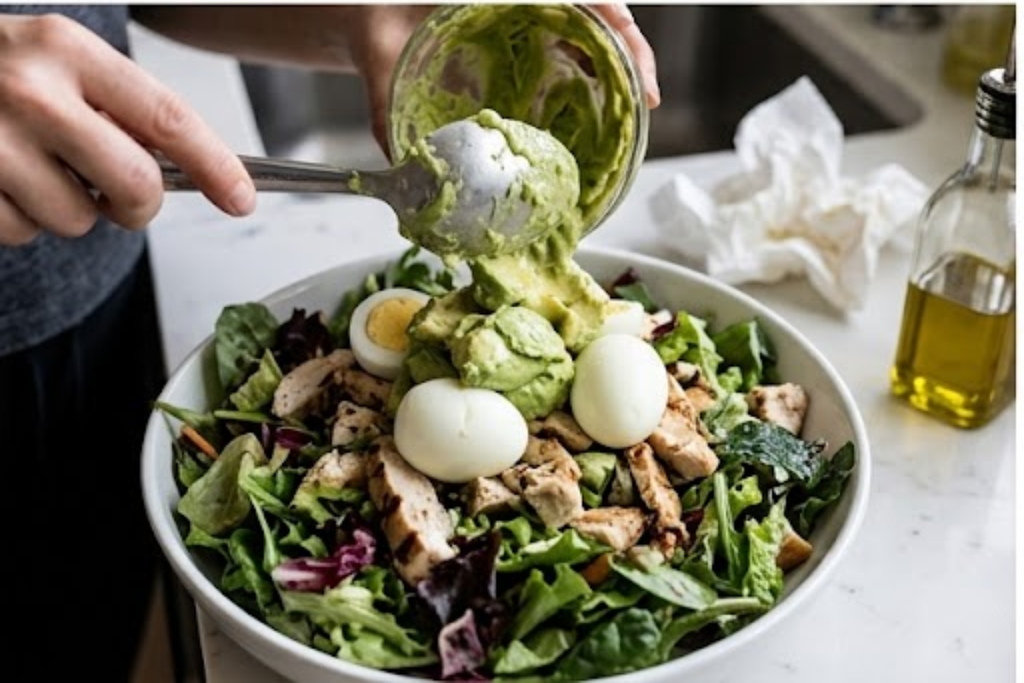
Start with plenty of vegetables, then choose a protein source such as grilled chicken, eggs, beans, tofu, or fish. Add one or two calorie-dense ingredients for flavor and texture rather than piling several onto the same bowl.
Dressing can also stay on the menu. Measuring it, using a smaller portion or serving it on the side makes it easier to control how much actually reaches the salad. EatingWell recommends checking dressing labels for added sugar, saturated fat and sodium while paying attention to serving sizes.
A salad can absolutely be a nutritious meal. Healthy salad calories become surprising when a bowl of low-calorie vegetables serves as a vehicle for several calorie-dense extras. Once those toppings are counted, the difference between a light salad and a full meal can become much easier to see.


One thought on “Why Healthy Salads Can Pack More Calories Than Expected”