Cutting back on sugar can feel surprisingly difficult at first. Sugar shows up in obvious places like candy, soda and desserts, but also in breakfast cereals, sauces, flavored yogurt and many packaged foods. When you suddenly reduce it, your body may go through a period of adjustment.

The changes won’t happen exactly the same way for everyone. They can also depend on how much added sugar you were eating before and what you replace it with. Here are some of the changes people may notice after cutting back on added sugar.
1. Your cravings may get stronger before they get weaker
One of the first things you might notice involves cravings. If you’re used to having something sweet after meals or reaching for sugary snacks during the afternoon, skipping them can feel uncomfortable.
For some people, cravings become particularly noticeable during the first few days. You may find yourself thinking about cookies, chocolate or sweet drinks more often than usual.
Over time, those cravings may become easier to manage. Choosing foods with protein, fiber and healthy fats can also make it easier to stay satisfied between meals.
2. Your energy may feel different
Sugary foods can provide a quick source of energy, particularly when they contain a lot of easily digested carbohydrates. That energy can rise quickly and then fall, leaving some people feeling tired or hungry again.
Reducing added sugar and replacing it with foods such as eggs, beans, vegetables, whole grains, nuts and fruit can provide a steadier source of energy.
That doesn’t mean you’ll suddenly feel energized all day. Your sleep, overall diet, activity level and meal timing also affect how energetic you feel.
3. Your appetite may become easier to manage
Foods high in added sugar can add plenty of calories without always keeping you full for very long. A sweet drink, for example, may provide a substantial amount of sugar without the fullness that comes from eating a meal containing protein and fiber.
When sugary foods make up less of your diet, you may naturally start choosing more filling foods. Meals built around vegetables, lean protein, whole grains and healthy fats can keep hunger under better control.
4. Your taste preferences can change
After eating very sweet foods regularly, naturally sweet foods may seem less sweet by comparison. Give your taste buds some time, though, and that can change.
Fruit may start tasting sweeter than it did before. Foods such as plain yogurt, oatmeal or unsweetened coffee may also become easier to enjoy without adding sugar.
This change doesn’t happen overnight, but many people find that heavily sweetened foods eventually become less appealing.
5. Your teeth may benefit
Added sugar doesn’t directly “cause” every dental problem, but frequent exposure to sugar can feed bacteria in the mouth that produce acids. Those acids can damage tooth enamel and increase the risk of cavities.
Reducing sugary snacks and drinks, particularly between meals, can lower the amount of sugar available to those bacteria.
Good brushing, flossing and regular dental care still matter. Cutting sugar alone won’t replace basic oral hygiene.
6. Your weight may change — but it depends on what replaces sugar
Removing sugary foods doesn’t automatically lead to weight loss. Your overall calorie intake still matters.
If you replace soda, candy or desserts with filling foods and consume fewer calories overall, you may lose weight over time. But replacing sugar with large amounts of other calorie-dense foods may produce little change.
The type of sugar reduction matters, too. Cutting back on added sugars in processed foods doesn’t mean you need to avoid naturally occurring sugars in whole fruits or plain dairy products.
7. Your blood sugar may become easier to manage
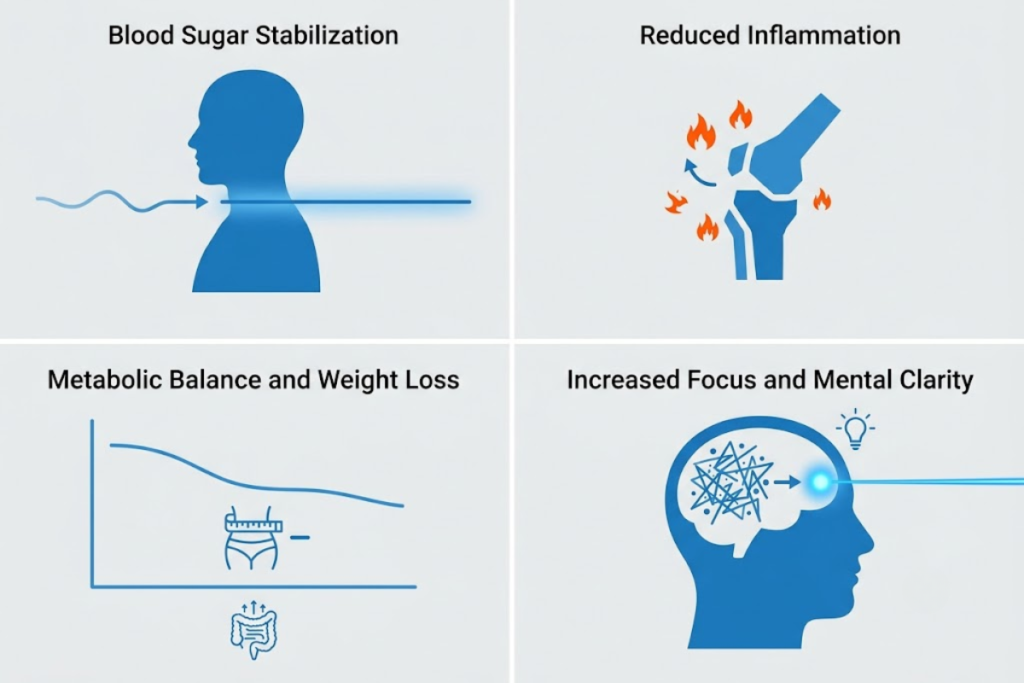
Reducing foods and drinks high in added sugar can reduce the amount of rapidly absorbed carbohydrate in your diet. For people who regularly consume sugary beverages or sweets, replacing them with lower-sugar choices may help support healthier blood glucose levels.
However, blood sugar depends on much more than sugar intake. Carbohydrate quantity, meal composition, physical activity, medications and individual health conditions all play a part.
The bottom line
Stopping or significantly reducing added sugar can bring several changes, but the experience won’t look identical for everyone. Cravings may become noticeable at first, energy and appetite can change, and your preference for very sweet foods may gradually decrease.
Rather than trying to eliminate every gram of sugar, a practical approach involves cutting back on added sugars found in soda, candy, desserts and heavily sweetened packaged foods. Whole foods such as fruit and plain dairy products can still fit into a balanced diet.
Disclaimer: This article provides general information for educational and informational purposes only. It isn’t intended to provide medical advice, diagnosis or treatment. Individual responses to dietary changes can vary. If you have diabetes, take medication that affects blood sugar, or have another medical condition, speak with a qualified healthcare professional before making major dietary changes.



One thought on “What Happens to Your Body When You Stop Eating Sugar”