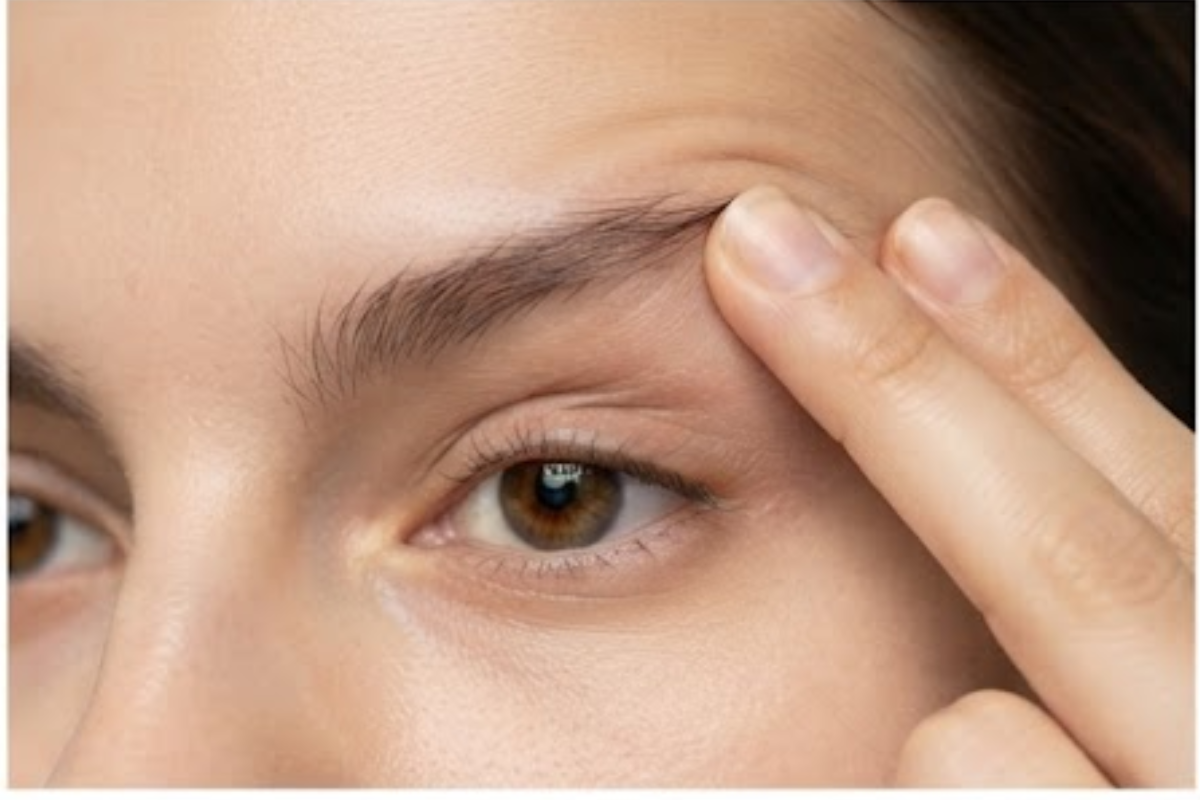
Wrinkles happen to everyone, but the reasons behind them can differ. Age plays a part, yet sun exposure, smoking, repeated facial movements, dry skin, and genetics can also affect when lines appear and how noticeable they become.
The good news? You don’t need a complicated routine to take better care of aging skin. A few habits have much more evidence behind them than expensive creams or trendy treatments.
1. Sunscreen matters more than most anti-aging creams
UV exposure can break down collagen and elastin, two proteins that help keep skin firm and smooth. Years of sun exposure can leave skin with fine lines, uneven texture, and age spots.
Daily broad-spectrum sunscreen with SPF 30 or higher can help limit further UV-related damage. Applying it to the face, neck, ears, and other exposed areas matters, particularly when spending time outdoors.
Sunscreen won’t erase wrinkles that already exist, but protecting the skin from additional sun damage can help slow their progression.
2. Retinoids have some of the strongest evidence
Retinoids, including retinol and prescription tretinoin, have received considerable attention for good reason. They can encourage skin cell turnover and support collagen production, which may gradually improve the appearance of fine lines and uneven texture.
Over-the-counter retinol tends to work more gradually than prescription retinoids. It can also cause dryness, redness, or peeling when introduced too quickly.
Starting with a lower concentration a few nights per week and using moisturizer can make it easier for the skin to adjust. Results generally take time, so using a product consistently matters more than applying a large amount.
3. Moisturizer can make fine lines look softer
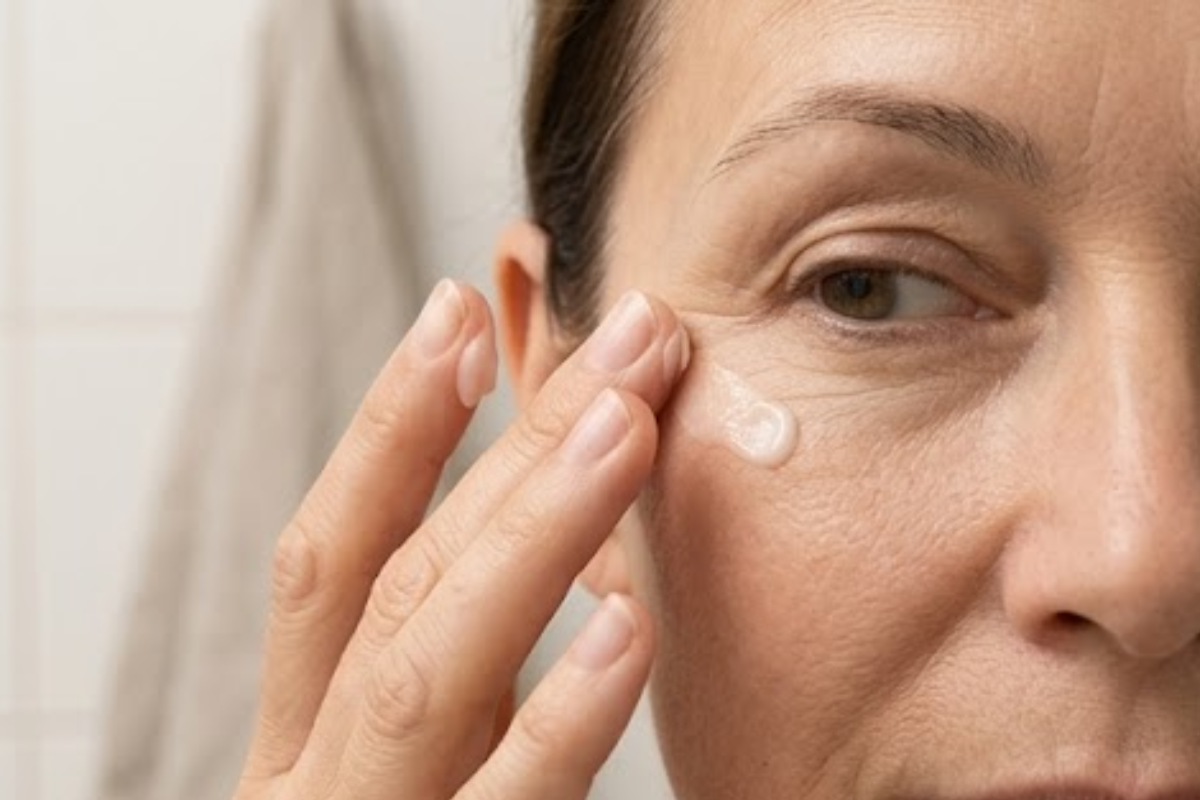
Dry skin can make existing lines appear more noticeable. A moisturizer helps reduce water loss from the skin and can temporarily make the surface look smoother.
Look for ingredients such as ceramides, glycerin, hyaluronic acid, or petrolatum. These ingredients don’t rebuild deeply damaged skin, but they can improve hydration and the way fine lines look.
4. Don’t expect collagen creams to rebuild lost collagen
Collagen has become a popular ingredient in anti-aging products, but putting collagen on the skin doesn’t necessarily replace the collagen that naturally sits deeper within the skin.
Large collagen molecules generally have difficulty penetrating the skin’s outer barrier. A collagen-containing moisturizer may still help with hydration, depending on the rest of its formulation, but claims that a topical cream can simply replace lost collagen deserve some skepticism.
5. Lifestyle habits can affect how skin ages
Smoking can accelerate skin aging by affecting blood flow and breaking down collagen. Excessive alcohol consumption may also contribute to dehydration, although it shouldn’t receive the same blame as chronic UV exposure.
A balanced diet, adequate sleep, regular physical activity, and avoiding smoking can support overall skin health. None of these habits will make wrinkles disappear, but they can help support healthier skin over time.
6. Professional treatments can reduce visible wrinkles
When skincare isn’t enough, dermatology treatments can make a larger difference. Options include chemical peels, laser treatments, microneedling, and injectable treatments such as botulinum toxin and dermal fillers.
Each treatment works differently. Botulinum toxin can reduce certain expression lines by temporarily relaxing targeted muscles, while fillers can restore volume in areas where facial fullness has decreased.
Results, risks, costs, and suitability vary from person to person. A qualified medical professional can help determine which option makes sense for a particular type of wrinkle.
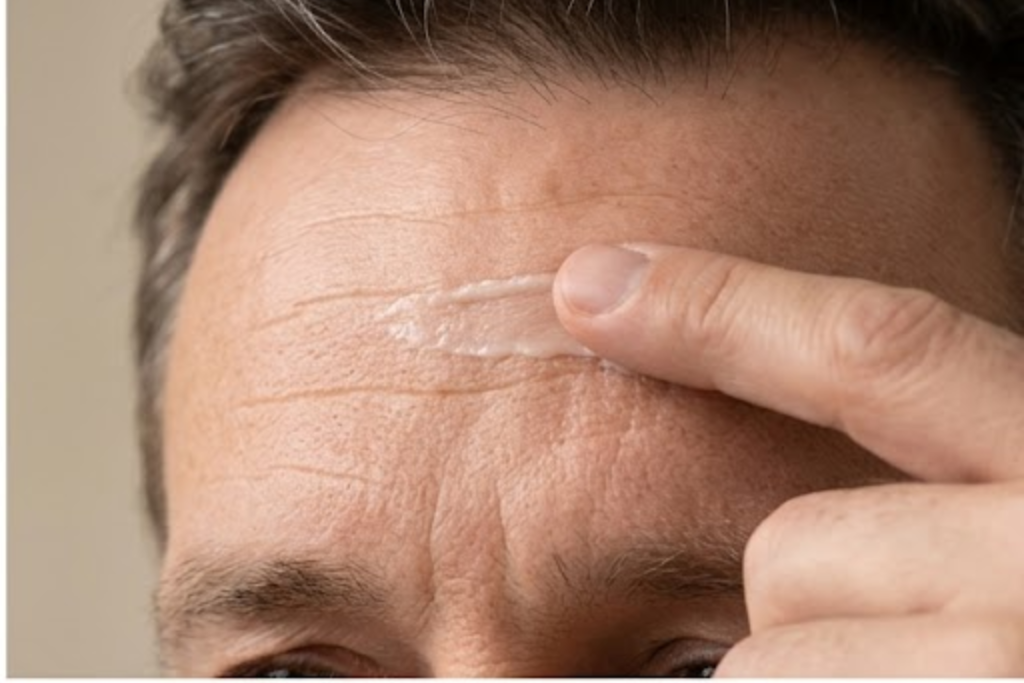
What actually helps?
There isn’t one cream that can stop wrinkles altogether. For most people, a simple routine built around daily sunscreen, a suitable retinoid, and regular moisturizing provides a sensible starting point.
The biggest mistake may be expecting overnight results. Skin changes gradually, and consistency usually matters more than having a shelf full of products.
Wrinkles don’t need to be treated as something that has gone wrong with the skin. If reducing their appearance matters to you, focus on methods with reasonable evidence behind them rather than chasing every new anti-aging claim.