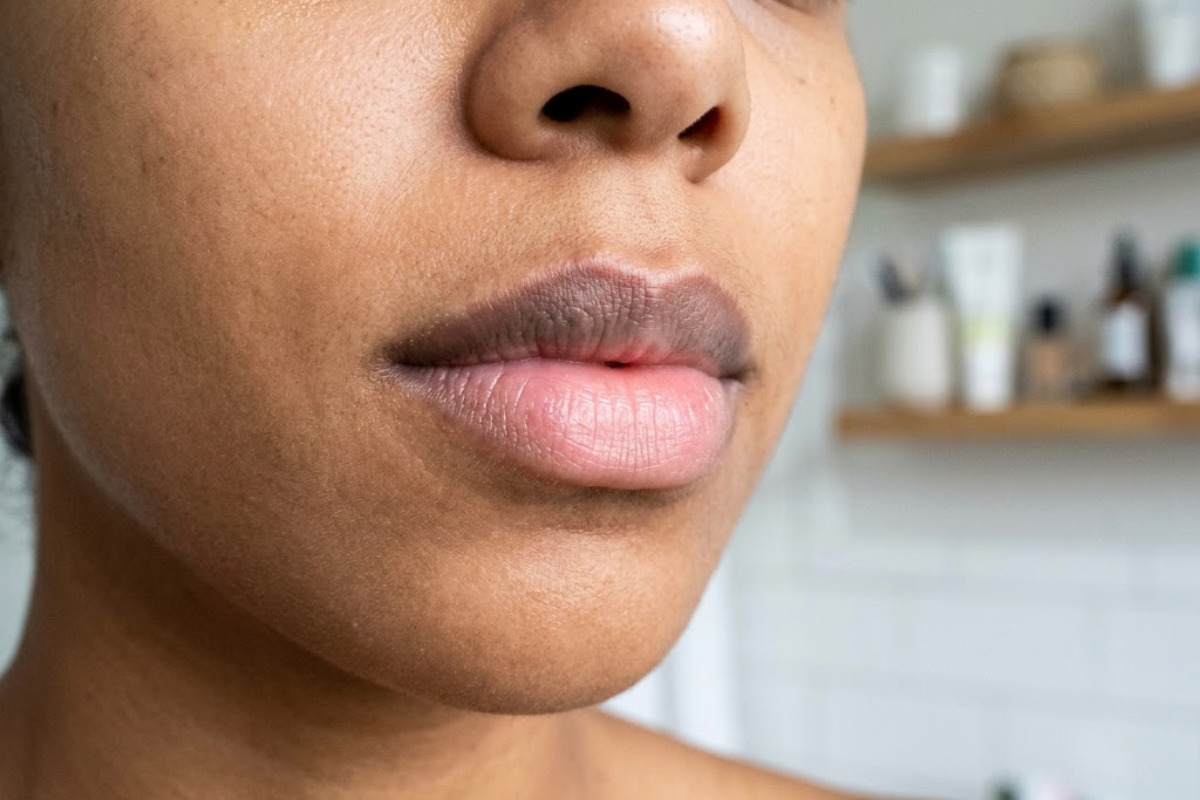
Your lips can change color over time, and a darker appearance does not always point to one specific cause. Everyday habits, sun exposure, irritation, dehydration, and certain products can all affect how the skin on your lips looks.
The good news: many common causes can improve once the trigger gets addressed. Here are some reasons your lips may look darker than they used to and a few practical things you can try.
1. Too Much Sun Exposure
Your lips have relatively thin skin and less natural protection from the sun than many other parts of the body. Repeated UV exposure can stimulate melanin production, which may make the lips appear darker.
If you spend a lot of time outdoors, use a lip balm with SPF 30 or higher and reapply it throughout the day, especially after eating or drinking. A wide-brimmed hat can also reduce direct sun exposure.
Sun protection matters year-round, not just during summer.
2. Dry, Chapped Lips
When lips become very dry, the surface can crack, peel, and develop areas that look darker than the surrounding skin. Cold weather, dry indoor air, wind, and not drinking enough fluids can all leave lips feeling rough.
Try a simple, fragrance-free lip balm or ointment several times a day. Products containing petrolatum, shea butter, or ceramides can help reduce moisture loss.
Avoid repeatedly licking your lips. Saliva evaporates quickly and can leave them even drier.
3. Licking, Biting, or Picking
Constant irritation can gradually change the appearance of your lips. If you frequently bite your lips, peel off flaky skin, or lick them when they’re dry, the repeated friction and irritation may leave darker patches.
Breaking the habit can take time. Keeping a balm nearby can give you something to use when you feel the urge to lick or pick at dry skin.
4. Your Lip Products Could Be Irritating Them
Lipsticks, glosses, balms, toothpaste, and other personal-care products can sometimes irritate sensitive skin. Fragrances, flavoring agents, and certain cosmetic ingredients may cause dryness or irritation in some people.
If your lips became darker after starting a new product, consider stopping it for a couple of weeks and switching to a simple, fragrance-free alternative.
Don’t assume that a product labeled “natural” will automatically be gentle. Essential oils and plant extracts can also irritate sensitive skin.
5. Smoking Can Change Lip Color
Smoking can contribute to darker-looking lips. Heat, smoke exposure, and chemical irritation may affect the appearance of the skin around the mouth and lips.
If you smoke, reducing or quitting can help prevent further exposure. Changes in lip color may take time rather than disappearing immediately.
6. Dehydration May Make the Color Look More Noticeable
Dehydration doesn’t necessarily cause permanent pigmentation, but dry, dull, or cracked lips can appear darker.
Drink fluids regularly and pay attention to signs such as a dry mouth or unusually dark urine. Pairing better hydration with a moisturizing lip product can help restore a smoother appearance.
7. Hormonal or Other Body Changes
Changes in pigmentation sometimes occur alongside hormonal changes. Certain medications and medical conditions can also cause changes in skin or lip color.
If the darkening appeared without an obvious change in your habits, or if it continues to worsen, it’s worth discussing with a healthcare professional rather than assuming it’s simply dry skin.
8. Avoid Harsh DIY Remedies
Lemon juice, baking soda, toothpaste, and rough sugar scrubs often appear in online remedies for dark lips. They can irritate the delicate skin and potentially make discoloration more noticeable.
Instead, keep your routine simple: moisturize regularly, protect your lips from the sun, and avoid products that cause burning or irritation.
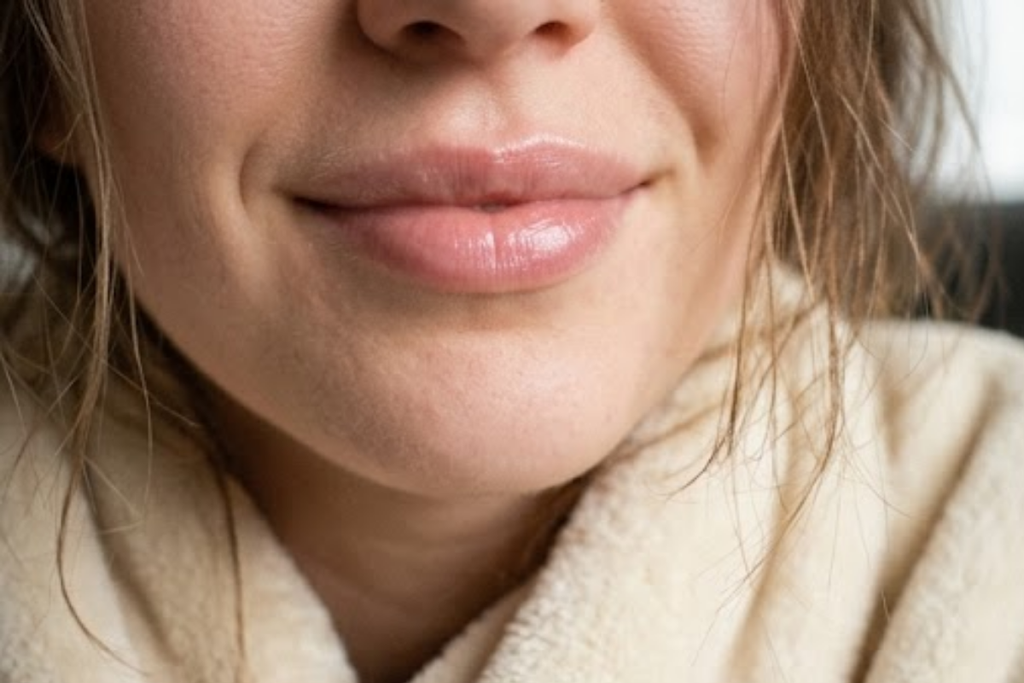
9. Give Your Lips Time to Recover
Lip pigmentation rarely changes overnight. If irritation or dryness caused the darker appearance, consistent care may gradually improve the texture and color.
A simple routine can work well: SPF lip balm during the day, moisturizer throughout the day when needed, and a thicker ointment before bed. Avoid picking or peeling the skin.
When Dark Lips Deserve a Closer Look
A gradual, even change in lip color often has a relatively simple explanation. A new dark spot, rapidly changing pigmentation, bleeding area, persistent sore, lump, or patch that doesn’t heal deserves medical attention.
For general background, you can read about melanin and how pigmentation works. For practical information about protecting and caring for your lips, the American Academy of Dermatology has guidance on lip care and sun protection.
Darker lips don’t automatically mean something serious. Start by looking at recent changes in sun exposure, lip products, dryness, and habits. If the change persists or looks unusual, getting it checked can help identify the cause instead of relying on trial-and-error remedies.