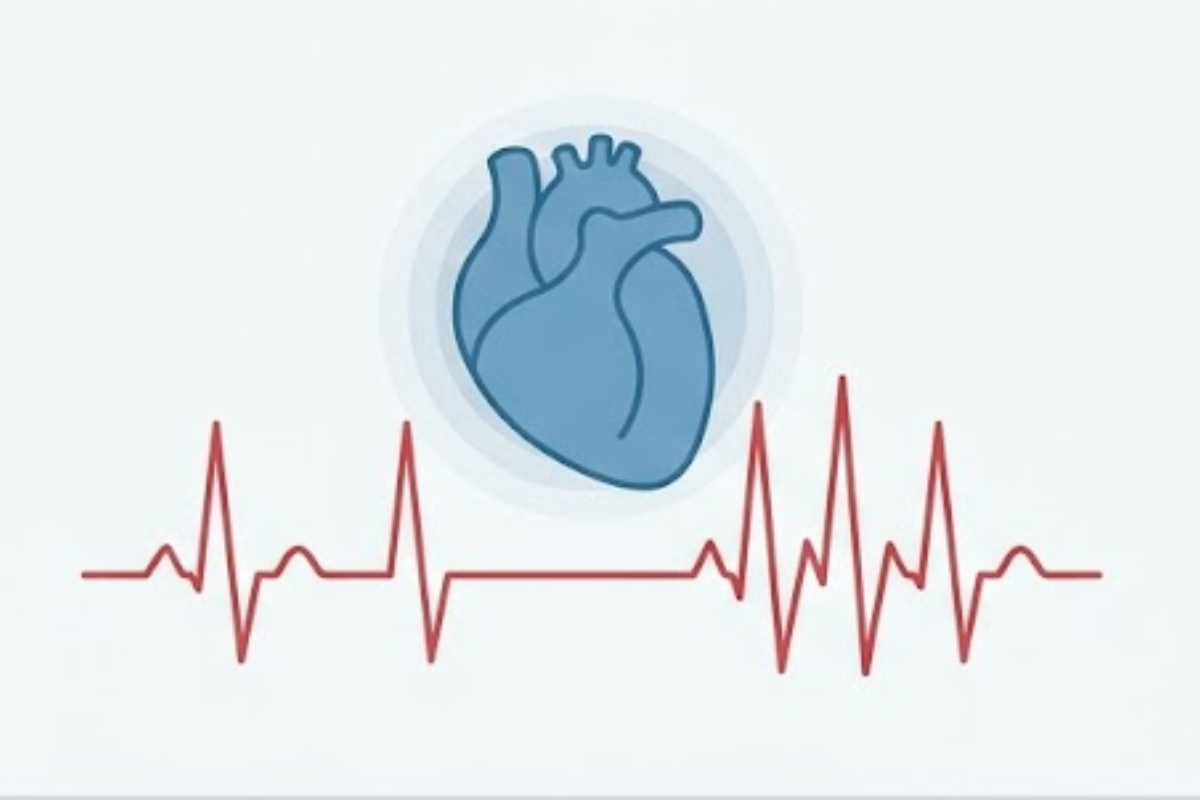
The early signs of AFib do not always include a dramatic racing heartbeat. Atrial fibrillation, often called AFib, can begin subtly. For some people, the first clues can look like ordinary fatigue, getting winded more easily, or feeling slightly lightheaded. Others may have episodes that appear for a few minutes and then disappear, making them easy to dismiss.
AFib causes the upper chambers of the heart to beat irregularly. Episodes can come and go, while some people have no noticeable symptoms at all.
Here are some early signs that can be easy to overlook.
Early signs of AFib: unexplained fatigue
Feeling tired after a poor night’s sleep or a busy day isn’t unusual. But persistent fatigue without an obvious reason can sometimes accompany AFib.
When the heart beats irregularly, it may not pump blood as efficiently as usual. That can leave you feeling unusually drained, even after activities that normally wouldn’t leave you exhausted. Fatigue appears among the recognized symptoms of AFib.
2. Getting winded during routine activities
You may notice that walking up stairs, carrying groceries, or taking a short walk suddenly leaves you more short of breath than usual.
Shortness of breath can occur with AFib, particularly when the heart’s irregular rhythm affects how efficiently blood moves through the body. It can also have many other causes, so a new or unexplained change deserves attention.
3. A fluttering feeling in your chest
Not everyone experiences AFib as a pounding heartbeat. It can feel more like fluttering, quivering, thumping, or an irregular sensation in the chest.
You might notice it while sitting quietly, lying in bed, or after physical activity. These sensations fall under the broader category of palpitations and can occur with several types of heart rhythm problems, including AFib.
For a basic overview, see atrial fibrillation.
4. Occasional dizziness or lightheadedness
A brief dizzy spell can be easy to blame on standing up quickly, dehydration, stress, or simply having an off day.
But recurring dizziness or lightheadedness can also accompany an abnormal heart rhythm. AFib may cause these symptoms because the irregular heartbeat can affect how much blood the heart pumps.
5. Reduced exercise tolerance
Maybe your usual morning walk suddenly feels harder. Or you need to stop and catch your breath halfway through an activity you’ve done comfortably for years.
A gradual decline in exercise capacity can be subtle. Mayo Clinic lists reduced ability to exercise among possible AFib symptoms.
6. Weakness that seems out of proportion
General weakness can have countless explanations, from lack of sleep to an infection or medication side effect. Still, weakness can occur alongside AFib.
Pay attention when weakness repeatedly appears with other symptoms such as an irregular heartbeat, dizziness, or shortness of breath.
7. Symptoms that come and go
One reason AFib can be difficult to recognize: the symptoms don’t necessarily stick around.
Paroxysmal AFib can produce episodes that last minutes or hours before the heart rhythm returns to normal. Some episodes can last longer. A person may feel completely normal between episodes.
That pattern can make it tempting to write off an episode as stress, caffeine, poor sleep, or overexertion. Learning about common AFib triggers can help you notice recurring patterns.
8. An unusually fast or irregular pulse
Sometimes the first clue comes from checking your pulse or seeing an irregular rhythm notification on a wearable device. Understanding what your resting heart rate may indicate can provide useful context, although it cannot diagnose AFib.
A pulse that feels unusually fast or uneven doesn’t automatically mean AFib. Still, repeated irregular readings can provide useful information for a healthcare professional. Wearable devices can also help detect irregular heart rhythms, although a medical evaluation may be needed to confirm AFib.
9. Anxiety that appears alongside heart symptoms
A sudden fluttering heartbeat can naturally make you feel anxious. The problem comes when anxiety becomes the explanation for every episode.
Stress and anxiety can cause palpitations, but an irregular rhythm can produce similar sensations. If anxiety repeatedly appears together with a racing or irregular heartbeat, dizziness, or breathlessness, it’s worth discussing with a healthcare professional. It may also help to review everyday habits that affect heart health.
When symptoms deserve prompt attention
AFib symptoms can overlap with other conditions, so symptoms alone cannot confirm a diagnosis. An ECG or other heart-rhythm monitoring may be needed to identify an abnormal rhythm.
Chest pain or pressure, severe shortness of breath, fainting, or serious dizziness calls for emergency medical attention. The American Heart Association advises calling 911 for chest pain or pressure because these symptoms can signal a heart attack.
For more information on recognizing palpitations and when they warrant medical attention, see Mayo Clinic’s guide to heart palpitations.
Recognizing the early signs of AFib can help you describe symptoms clearly and seek appropriate medical evaluation sooner.