If you’re looking for a safe place to grow your cash without locking it away, a high-yield savings account (HYSA) remains one of the most practical options in 2026. While interest rates have shifted over the past few years, many online banks and financial institutions continue to offer significantly higher annual percentage yields (APYs) than traditional savings accounts.
Whether you’re building an emergency fund, saving for a home, or setting aside money for future expenses, understanding how these accounts work can help you decide if they’re the right fit for your financial goals.
What is a high-yield savings account?
A high-yield savings account is a savings account that pays a higher interest rate than a standard savings account. These accounts are commonly offered by online banks, digital financial institutions, and some credit unions.
Unlike investments such as stocks or mutual funds, your principal balance isn’t exposed to market fluctuations. As long as the institution is federally insured (or insured through an equivalent program in your country), your deposits are generally protected up to applicable limits.
Most HYSAs also provide:
- Daily interest accrual
- Monthly interest payments
- Online and mobile account access
- No minimum balance requirements at many institutions
- FDIC or NCUA insurance in the United States (where applicable)
Why many people are considering them in 2026
After several years of changing interest rate policies, consumers are paying closer attention to where they keep their cash.
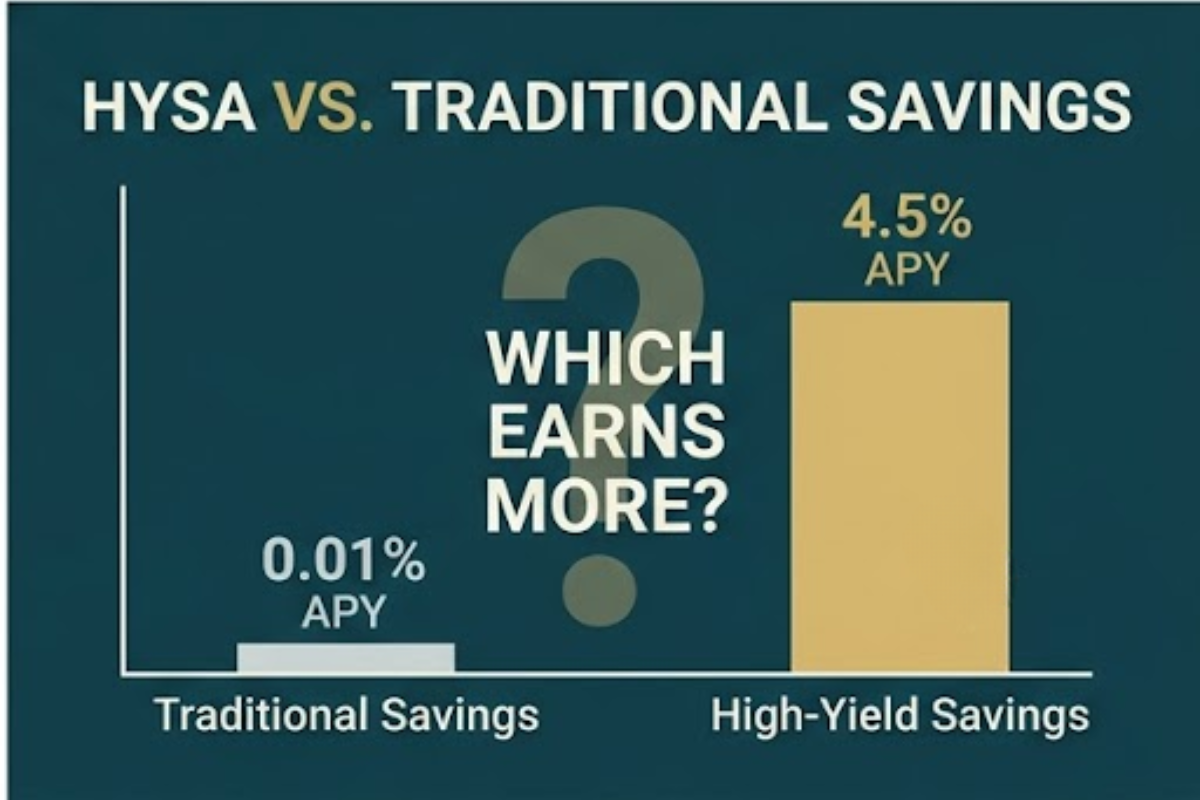
Traditional savings accounts often continue to pay very low interest rates, while many high-yield accounts offer substantially better returns. Even a difference of a few percentage points can add hundreds of dollars in annual interest on larger balances.
For example:
- Standard savings account: 0.10% APY
- High-yield savings account: 3.50% APY
On a $20,000 balance, the difference in annual earnings can be substantial over time.
For people who don’t need immediate access to every dollar but still want flexibility, a HYSA can provide a useful middle ground between checking accounts and longer-term investments.
Benefits of a high-yield savings account
Better returns on idle cash
One of the biggest advantages is earning more interest without taking investment risk. Instead of letting money sit in a checking account earning little or nothing, a HYSA allows your savings to grow automatically.
Ideal for emergency funds
Financial experts often recommend keeping three to six months of living expenses in an easily accessible account.
A HYSA allows emergency savings to remain liquid while earning interest until needed.
Low risk
Unlike stock market investments, savings account balances don’t fluctuate with market performance.
If preserving capital is your priority, a HYSA offers greater stability.
Easy online management
Most providers offer:
- Mobile banking apps
- Automatic transfers
- Savings goals
- Account alerts
- Electronic statements
Many accounts can be opened in just a few minutes online.
Potential drawbacks
Although HYSAs offer several advantages, they aren’t perfect for every situation.
Variable interest rates
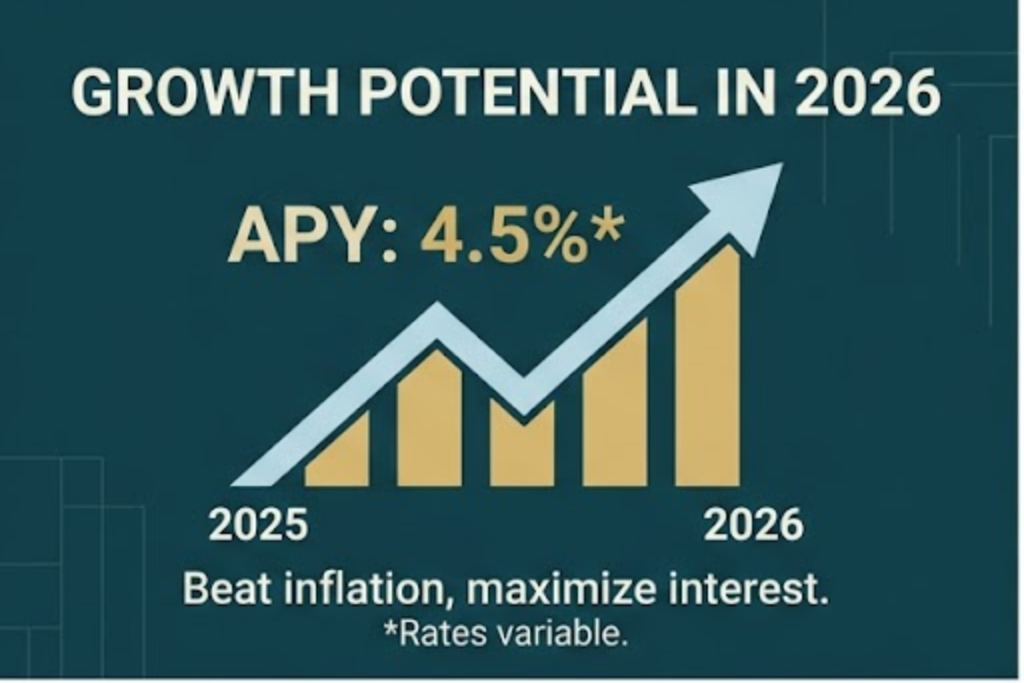
The advertised APY isn’t guaranteed forever.
Banks can increase or decrease rates depending on broader economic conditions and central bank policies.
Inflation may outpace earnings
If inflation rises faster than your savings account interest rate, your purchasing power could still decline over time.
That’s why many financial planners recommend using HYSAs for short- and medium-term savings rather than long-term wealth building.
Withdrawal limitations
While many institutions have relaxed previous transaction limits, some banks may still impose restrictions or fees for excessive withdrawals.
Always review the account terms before opening an account.
Who benefits most from a HYSA?
A high-yield savings account may be especially useful for people who are:
- Building an emergency fund
- Saving for a down payment
- Planning a vacation or major purchase
- Setting aside tax payments
- Holding cash while waiting for investment opportunities
- Looking for a secure place to keep short-term savings
However, if your goal is long-term retirement growth over decades, investment accounts may offer greater potential returns—along with higher risk.
What should you compare before opening one?
Not all high-yield savings accounts are the same.
Consider comparing:
- Current APY
- Monthly maintenance fees
- Minimum balance requirements
- Minimum opening deposit
- ATM access
- Transfer limits
- Mobile app ratings
- Customer support availability
- Deposit insurance coverage
- Linked checking account options
It’s also worth checking whether the bank has consistently competitive rates rather than focusing only on introductory offers.
Are they worth it in 2026?
For many savers, the answer is yes.
A high-yield savings account can be an effective way to earn more on cash you plan to use within the next few months or years. Compared with traditional savings accounts, the higher interest can make a noticeable difference while maintaining easy access to your funds.
That said, a HYSA shouldn’t necessarily replace long-term investing. Instead, it works best as part of a broader financial strategy—providing liquidity, safety, and competitive interest while investment accounts pursue longer-term growth.
If you have cash sitting in a low-interest savings or checking account, comparing today’s high-yield savings account options could be a worthwhile step. Even modest improvements in APY can increase your interest earnings over time, helping your savings work harder while remaining readily available when you need them.