Credit card rewards have become a major selling point for banks and financial institutions. From cashback and airline miles to hotel points and exclusive perks, reward programs promise to give cardholders something back for their everyday spending. For frequent travelers and disciplined spenders, these benefits can add real value. However, rewards are not automatically worthwhile for everyone.
The true value of a rewards credit card depends on how you use it. Understanding the benefits, limitations, and potential costs can help you decide whether pursuing rewards aligns with your financial habits.
How credit card rewards work
Reward credit cards offer incentives when you make eligible purchases. Instead of simply borrowing money, you earn points, miles, or cashback based on the amount you spend.
The most common reward structures include:
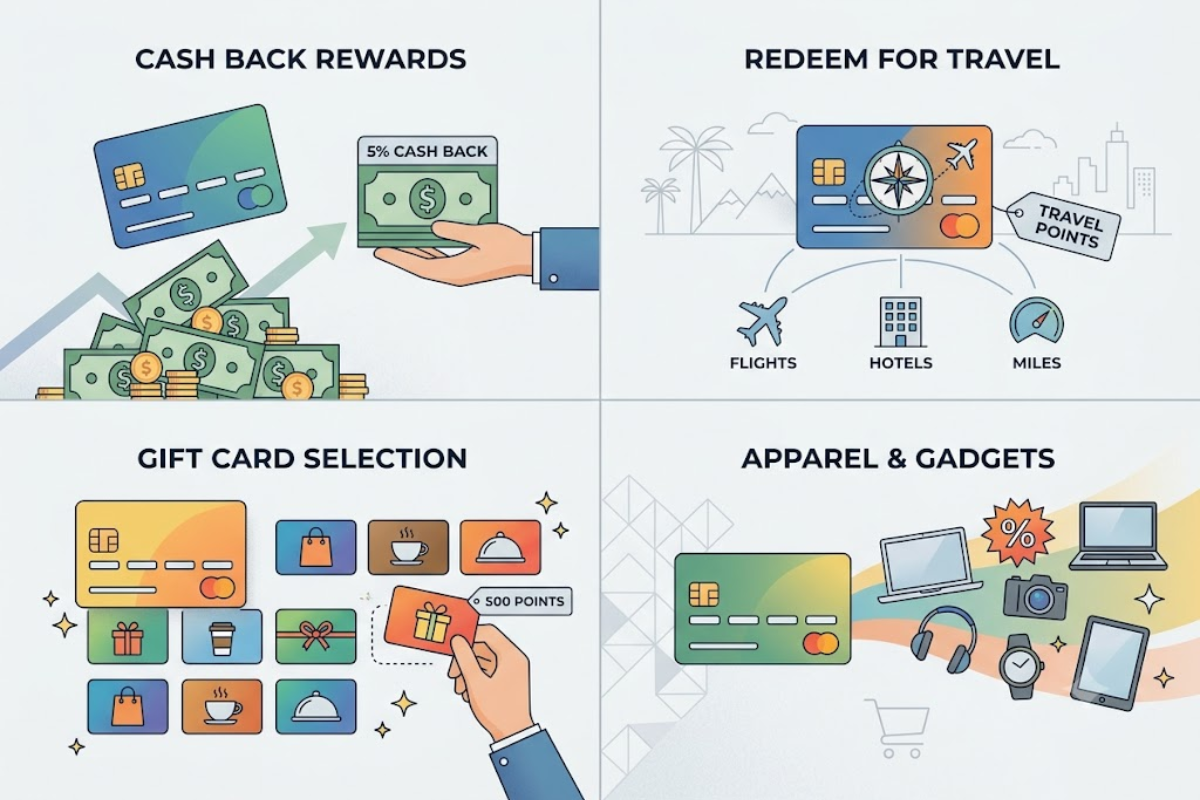
- Cashback: Earn a percentage of eligible purchases back as cash or statement credits.
- Travel rewards: Collect airline miles or travel points that can be redeemed for flights, hotels, or vacation packages.
- Flexible points: Some programs allow points to be used for travel, gift cards, shopping, or statement credits.
- Category bonuses: Certain cards offer higher rewards on groceries, fuel, restaurants, travel, or online shopping.
Many cards also include welcome bonuses that require spending a certain amount within the first few months after opening the account.
The advantages of reward credit cards
For consumers who already use credit responsibly, rewards can provide meaningful savings over time.
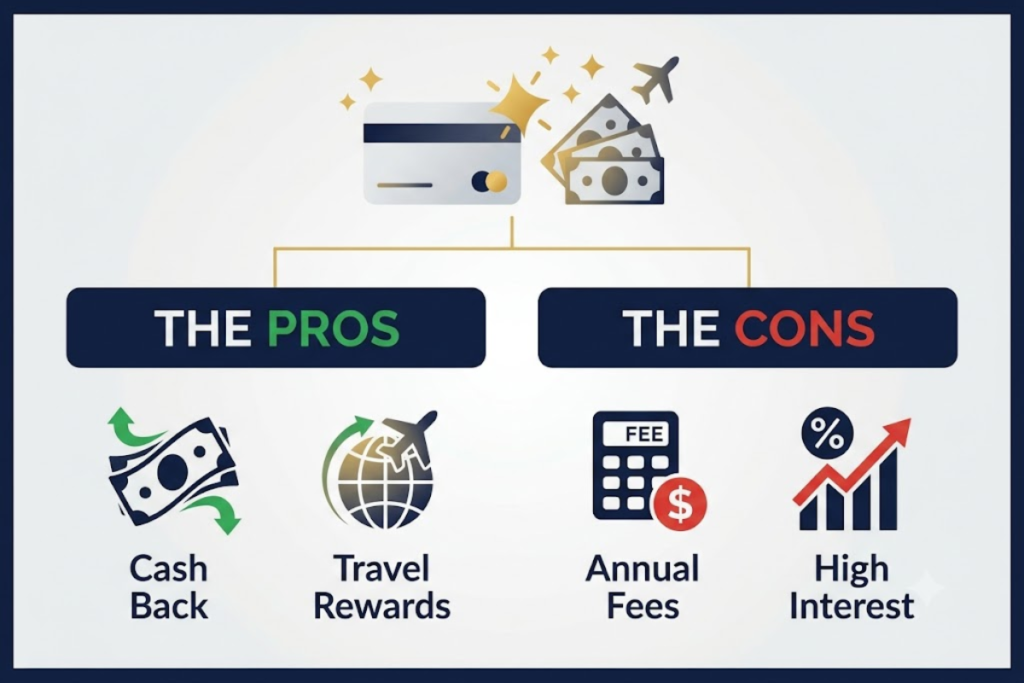
Cashback on everyday purchases
Cashback cards are among the easiest rewards to understand. If you regularly buy groceries, fuel, household items, or pay recurring bills with your card, small percentages earned on each purchase can gradually add up.
Unlike complicated loyalty programs, cashback usually offers predictable value.
Travel opportunities
Travel rewards are particularly attractive for people who fly often.
Airline miles and hotel points may help offset the cost of flights, hotel stays, airport lounge access, baggage fees, or travel upgrades. Some premium travel cards also include benefits such as travel insurance, rental car coverage, and airport security reimbursement programs.
For frequent travelers, these perks can become just as valuable as the points themselves.
Purchase protections
Many rewards cards include additional protections that standard payment methods may not offer.
Depending on the issuer, benefits may include:
- Extended warranty protection
- Purchase protection against accidental damage or theft
- Fraud monitoring
- Travel accident insurance
- Rental car collision coverage
While these benefits should not be the primary reason for choosing a card, they can provide added peace of mind.
The hidden costs of chasing rewards
Rewards can lose their value if earning them encourages unnecessary spending.
Higher interest charges
Many rewards cards carry higher interest rates than basic credit cards.
If you carry a balance from month to month, the interest you pay can easily exceed the value of any rewards earned. A few months of interest charges may wipe out an entire year’s worth of cashback or travel points.
For this reason, rewards cards generally provide the greatest benefit to people who pay their full statement balance every month.
Annual fees
Some premium cards charge annual fees ranging from modest amounts to several hundred dollars.
These cards often include enhanced earning rates and premium travel benefits. However, the value only makes sense if you actually use those features regularly.
Before applying, compare the annual fee against the rewards and perks you realistically expect to receive.
Spending more than planned
One of the biggest risks is changing your spending habits simply to earn more rewards.
Buying items you don’t need, upgrading purchases unnecessarily, or spending extra just to reach a welcome bonus can quickly erase any financial benefit.
A reward should be viewed as a bonus for planned spending—not as a reason to spend more.
Are travel points better than cashback?
The answer depends largely on your lifestyle.
Cashback offers simplicity. The value is easy to calculate, and you can often redeem rewards with few restrictions.
Travel rewards, on the other hand, may deliver greater value if you travel frequently and know how to maximize redemption opportunities. Strategic travelers sometimes receive significantly more value per point by redeeming for premium flights or hotel stays rather than merchandise or gift cards.
However, travel rewards can also involve blackout dates, limited availability, changing redemption values, and expiration policies that make them more complicated than cashback.
Tips for maximizing rewards
If you decide to use a rewards card, a few habits can help increase its value.
- Pay your statement balance in full every month.
- Choose a card that matches your largest spending categories.
- Redeem rewards regularly instead of letting points sit unused.
- Track annual fees to ensure you’re receiving enough value.
- Avoid making purchases solely to earn rewards.
- Monitor promotional offers and expiration dates.
Using rewards strategically rather than emotionally often produces the best long-term results.
Who benefits the most?
Reward credit cards tend to work best for people who:
- Pay balances in full each month
- Have good to excellent credit
- Spend consistently on everyday expenses
- Travel regularly or prefer cashback
- Can keep track of multiple reward categories and promotions
Conversely, individuals who frequently carry balances or struggle with overspending may find that a lower-interest credit card provides greater financial value than a rewards program.
The bottom line
Credit card rewards can absolutely be worthwhile—but only when they support spending you would have done anyway. Cashback, travel points, and premium benefits can reduce expenses or enhance experiences when used thoughtfully. However, high interest charges, annual fees, and unnecessary purchases can quickly outweigh those benefits.
Rather than chasing rewards for their own sake, choose a credit card that complements your spending habits and financial goals. When managed responsibly, rewards become an added benefit instead of an expensive distraction.