Dental veneers can change the appearance of teeth without covering the entire tooth like a crown. These thin shells sit on the front of the teeth and can hide discoloration, small chips, gaps and uneven shapes. But veneers do not last forever. Their lifespan depends on the material, daily habits, oral hygiene and even how someone bites and chews.
For many people, porcelain veneers can last around 10 to 15 years with proper care, although some may need replacement sooner. Composite veneers generally have a shorter lifespan.
1. Porcelain veneers can last a decade or longer
Porcelain remains one of the most common materials for dental veneers. With regular dental care and good habits, porcelain veneers can last roughly 10 to 15 years.
The material also resists stains better than natural tooth enamel, which can help veneers maintain their appearance over time. However, porcelain can still chip or become damaged if exposed to excessive force.
A veneer that lasts 12 years does not necessarily mean every veneer in the mouth will last 12 years. One tooth might experience more pressure from chewing or grinding than another.
You can learn more about dental veneers and the materials used for them through Wikipedia.
2. Composite veneers usually have a shorter lifespan
Composite veneers use tooth-colored resin rather than porcelain. A dentist can shape the material directly onto the tooth, which generally makes the procedure different from the laboratory-made process used for many porcelain veneers.
Composite veneers tend to wear, stain and chip more easily than porcelain. Wikipedia places the approximate lifespan of composite veneers at around four years, although actual longevity can vary based on the material, technique and everyday habits.
For someone comparing veneer options, material matters almost as much as the appearance they want.
3. Teeth grinding can shorten veneer life
Grinding or clenching your teeth puts extra pressure on veneers. This habit, often called bruxism, can cause chips, cracks or loosening over time.
Nighttime grinding can be particularly difficult to notice because it happens while you’re asleep. If you frequently wake up with jaw soreness, headaches or worn teeth, mention it to your dentist before getting veneers.
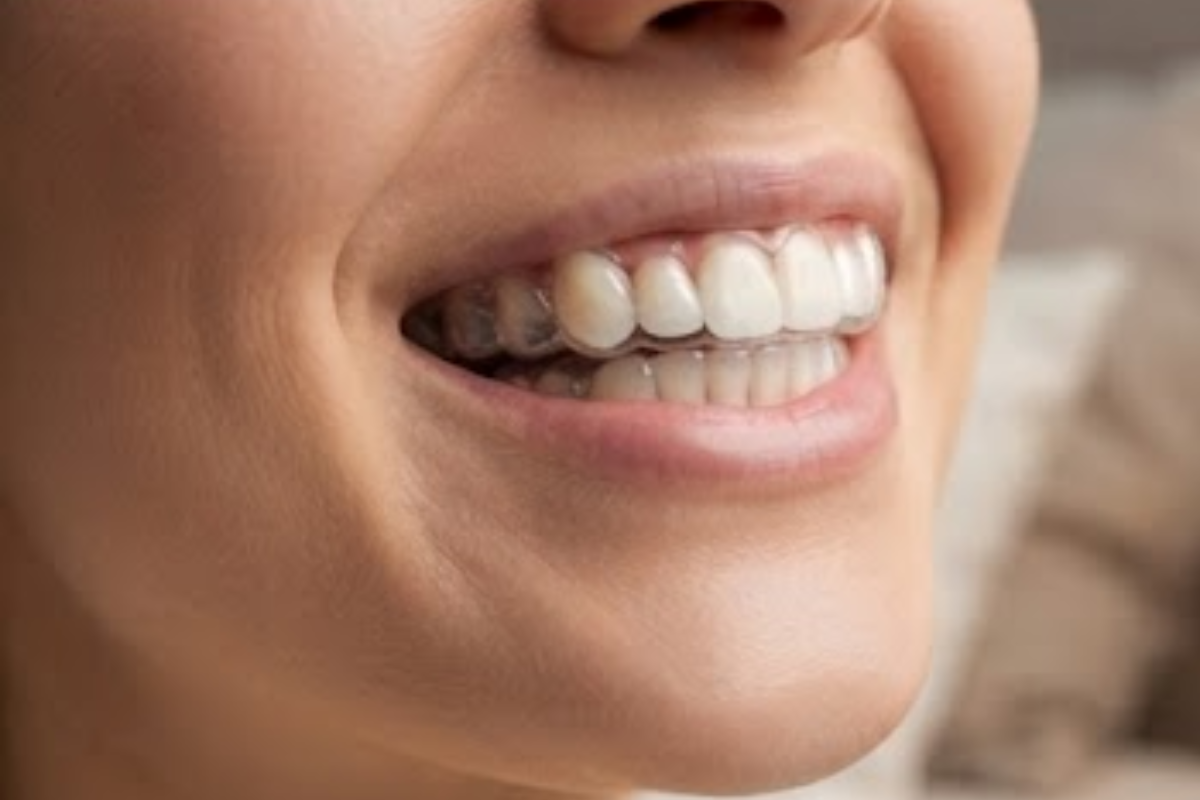
A custom night guard may help protect veneers in people who grind their teeth, depending on the dentist’s recommendation.
4. Biting hard objects can cause damage
Veneers can handle normal eating, but they are not designed to act like tools.
Biting fingernails, opening packages with your teeth or chewing hard objects can place unusual pressure on the veneer. Even foods that normally fit into a healthy diet can become a problem when someone repeatedly bites directly into very hard items.
Cleveland Clinic recommends avoiding direct biting into hard or crunchy foods and using the back teeth when appropriate.
5. Oral hygiene still matters
A veneer covers only part of a tooth. The natural tooth underneath and the surrounding gums still need regular care.
Brushing twice a day, flossing daily and keeping regular dental appointments can help protect the teeth supporting the veneers. Cavities and gum problems can develop around or beneath a veneer if oral hygiene slips.
Veneers themselves may not decay, but the natural tooth underneath them can.
6. Your dentist’s work can affect longevity
The quality of the preparation, fit and bonding can influence how well a veneer holds up.
A veneer needs to fit properly with the surrounding teeth and your bite. If excessive force lands on one area repeatedly, the restoration may wear or become damaged faster.
The condition of the tooth before treatment also matters. Cleveland Clinic notes that people with extensive cavities or gum disease generally need to address those problems before considering veneers.

7. Staining is less of a problem with porcelain
Porcelain veneers resist stains better than natural enamel, but the teeth around them can still change color.
Coffee, tea, red wine and other dark-colored foods and drinks may stain natural teeth. This can become noticeable if the surrounding teeth gradually become darker while the porcelain veneers remain the same shade.
Whitening treatments also won’t necessarily change the color of existing porcelain veneers, so shade selection before treatment deserves some thought.
8. Regular checkups can help catch problems early
A veneer does not need a special cleaning routine, but regular dental appointments can help catch loose edges, cracks, gum problems or decay before they become larger issues.
A dentist can also check whether your bite has changed or whether certain teeth are receiving too much pressure.
So, how long should you expect veneers to last?
For many people, 10 to 15 years represents a reasonable lifespan for porcelain veneers, while composite veneers may require replacement sooner.
The biggest factors include the veneer material, grinding or clenching, biting habits, oral hygiene, gum health, the condition of the underlying tooth and the quality of the original placement.
Veneers also generally require replacement rather than simple renewal when they eventually wear out. Since traditional porcelain veneers can involve removal of some enamel, replacing them becomes an ongoing dental treatment rather than a one-time cosmetic change.