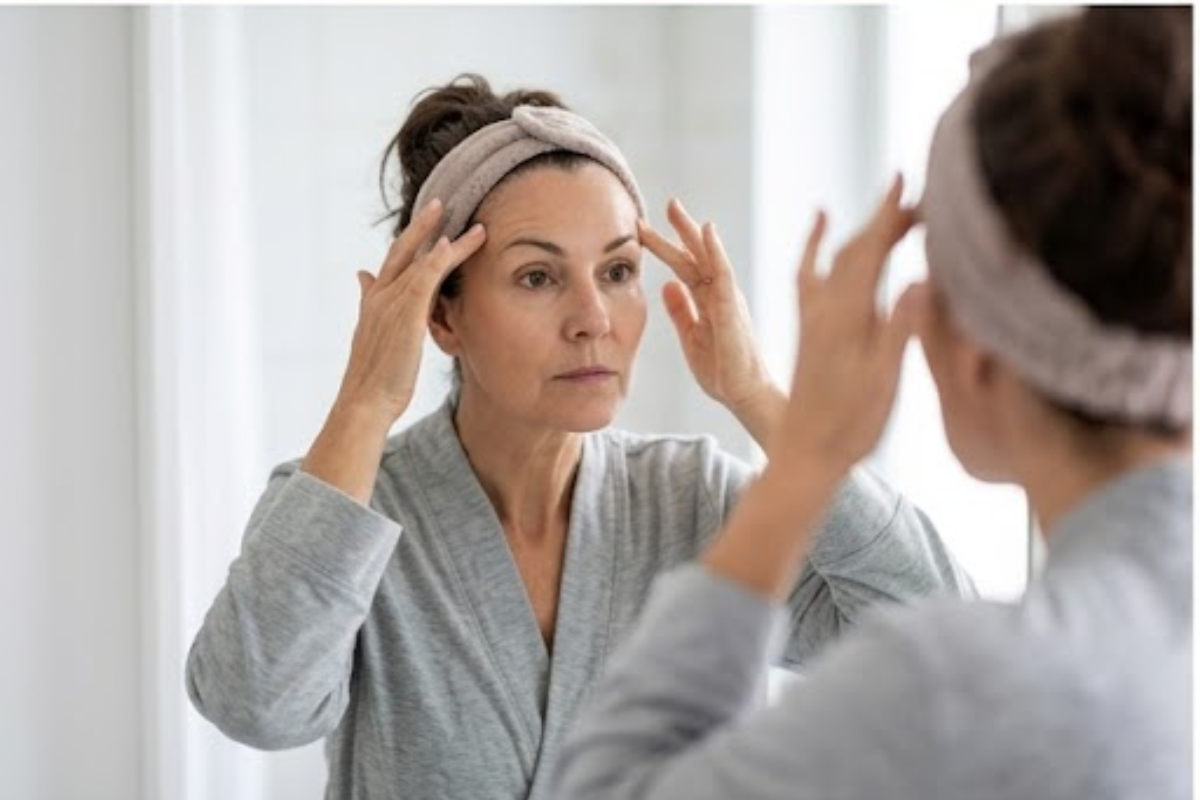
Turning 50 can change the way a woman sees her appearance. For some, lines and wrinkles become part of getting older and nothing more. For others, changes around the jawline, cheeks and neck can eventually reach a point where creams, makeup and non-surgical treatments no longer produce the look they want.
That has more women looking into a facelift after 50. The procedure, medically known as rhytidectomy, can address sagging skin and changes in facial contours that become more noticeable with age.
Here are some of the reasons the procedure catches the attention of women in this age group.
1. Sagging skin becomes harder to disguise
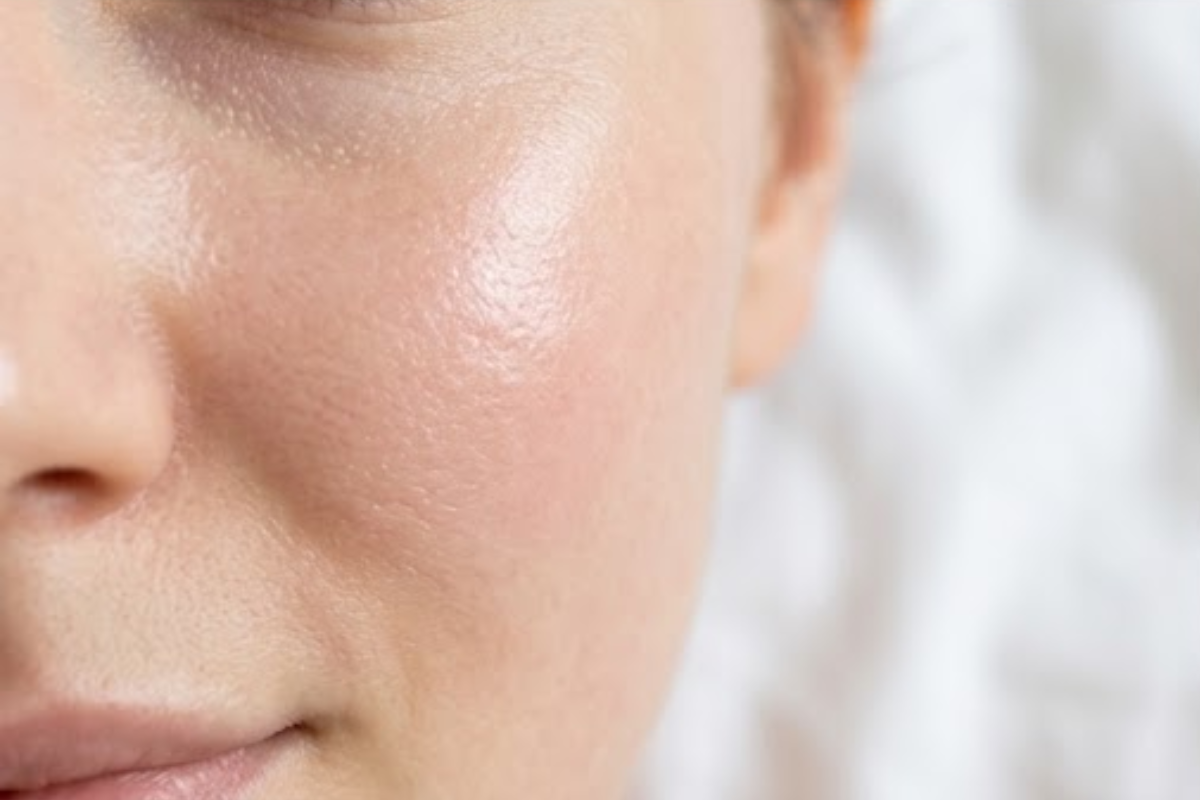
Skin loses elasticity over time. Years of sun exposure, genetics, weight changes and the natural aging process can contribute to looser skin around the cheeks, jaw and neck.
A facelift can reposition facial tissues and remove excess skin, targeting some of the changes that skincare products cannot physically lift. The American Society of Plastic Surgeons notes that common concerns include jowls, loose neck skin and deeper folds around the nose and mouth.
For women who feel that their lower face has changed more than they expected, this can make surgery worth investigating.
2. The jawline may look less defined
A softer jawline often becomes one of the first noticeable facial changes after 50. Skin and underlying tissues can gradually shift downward, creating jowls or a less distinct transition between the face and neck.
This can be frustrating for someone who still feels energetic and active but sees a much older-looking face in photographs or the mirror.
A facelift can address sagging around the lower face, while a neck lift may be considered when loose skin extends farther beneath the chin.
3. Skincare can only go so far
Retinol, sunscreen, moisturizers, lasers and other treatments can improve the appearance and texture of aging skin. They cannot, however, physically remove significant excess skin.
That difference can become more obvious with age. Women who have spent years trying different creams or cosmetic treatments may eventually explore surgery because their concern has shifted from surface wrinkles to loose facial tissue.
A Cleveland Clinic guide to facelifts notes that recovery from a typical facelift can involve roughly 10 to 14 days of bruising and swelling, although recovery varies from person to person.
4. Many women want to look like themselves, not dramatically different
A facelift does not necessarily mean trying to look 30 again. Some women in their 50s and 60s want a more rested appearance while retaining their familiar facial features.
That can mean addressing loose skin around the jaw or neck rather than trying to eliminate every wrinkle.
The goal can be fairly specific: looking less tired in photos, restoring some definition to the lower face or feeling more comfortable when looking in the mirror.
5. Age alone doesn’t determine whether surgery makes sense
There isn’t a universal age at which someone should have a facelift. Facial aging varies considerably from one person to another.
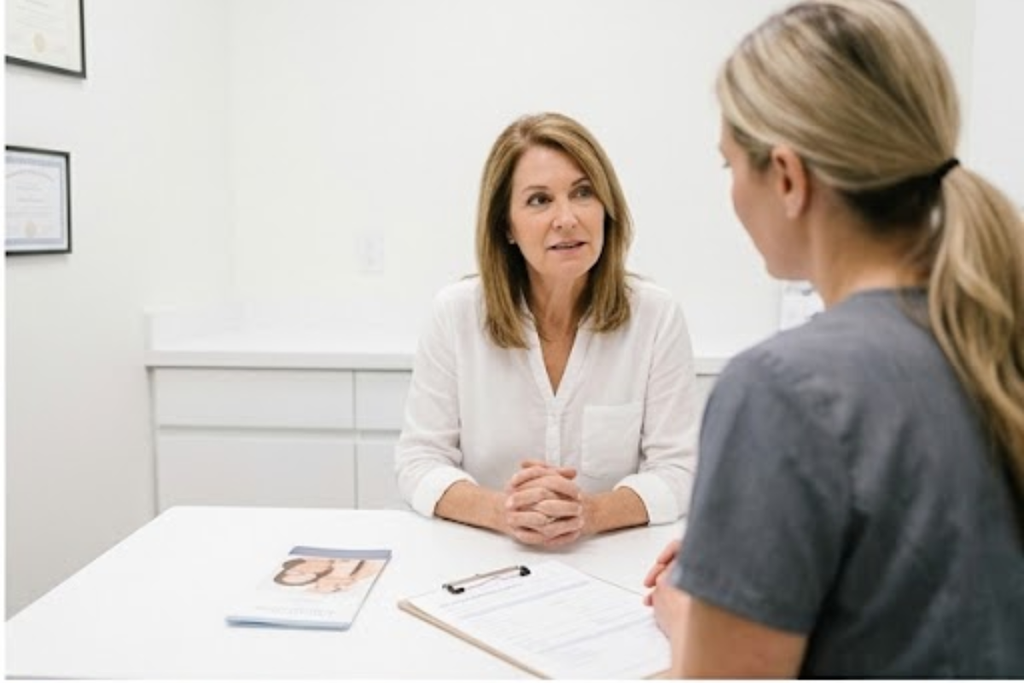
ASPS notes that facelift candidates generally should be healthy, nonsmokers and have realistic expectations. A consultation also gives a surgeon an opportunity to consider skin quality, facial structure, medications and existing health conditions.
In other words, turning 50 doesn’t automatically make someone a candidate — and being older doesn’t automatically rule someone out.
6. The decision can feel more personal after 50
For some women, the decision has less to do with trying to meet an outside beauty standard and more to do with personal preference.
AARP research found that women 50 and older report less pressure to meet conventional beauty standards than younger women. That can make cosmetic surgery a personal choice rather than something done simply to impress other people.
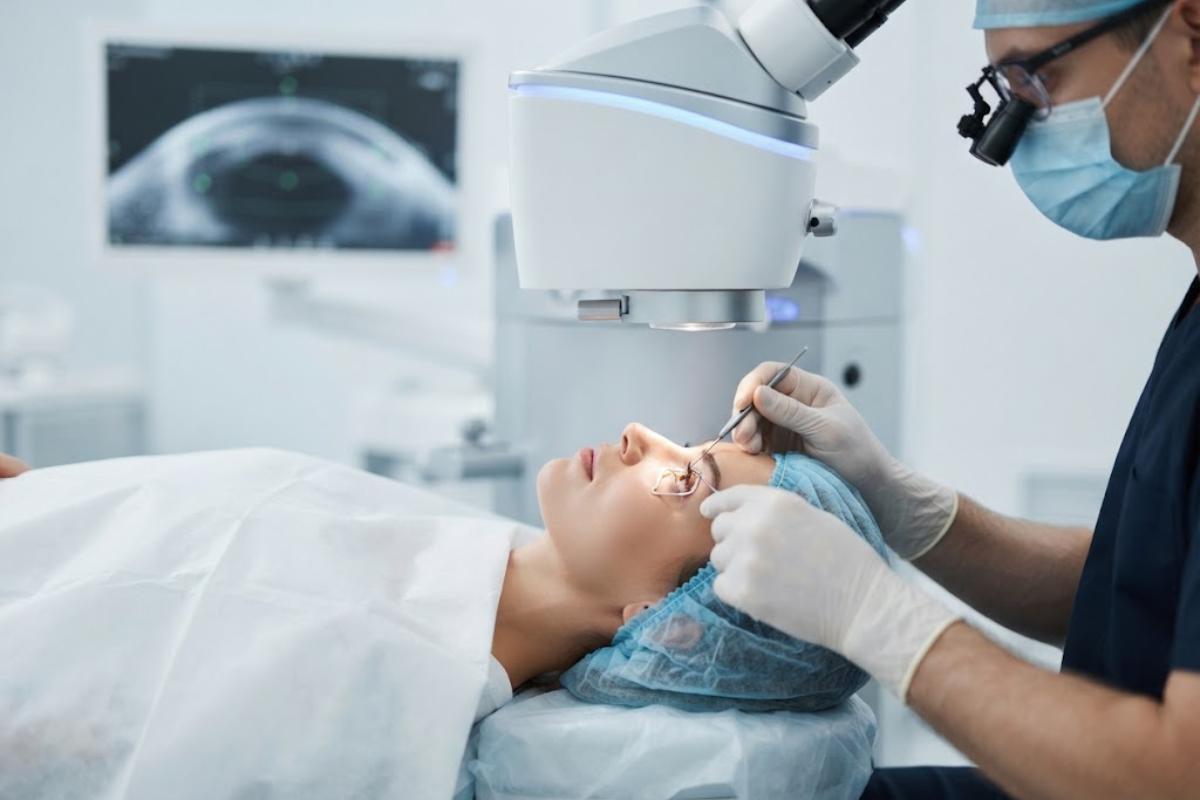
Still, a facelift remains major surgery. Risks can include bleeding, infection, scarring, nerve injury and problems with wound healing. Smoking and certain medical conditions can increase the risk of complications.
For anyone considering the procedure, the most useful first step may be an honest consultation with a qualified, board-certified plastic surgeon. The right timing depends less on reaching a particular birthday and more on facial changes, overall health, expectations and personal reasons for wanting surgery.