
Hyaluronic acid and salicylic acid often appear next to each other in skincare aisles, but they tackle very different problems. One focuses mainly on hydration, while the other helps clear clogged pores and exfoliate the skin.
Despite having “acid” in their names, they don’t work in the same way. Understanding that difference can make it easier to choose products based on whether your main concern involves dryness, acne, oiliness, texture or fine lines.
What Does Hyaluronic Acid Do?
Hyaluronic acid, also called hyaluronan, naturally occurs in the body and has a strong ability to hold water. In skincare, it works as a humectant, drawing and retaining moisture in the skin.
It doesn’t exfoliate the skin or clear blocked pores. Instead, topical hyaluronic acid can leave skin feeling softer, smoother and more hydrated.
It’s particularly useful for people dealing with:
- Dry or tight-feeling skin
- Dehydrated skin
- Fine lines that look more noticeable when skin lacks moisture
- Skin that feels rough after using drying acne treatments
- A compromised-feeling moisture barrier
The American Academy of Dermatology Association also lists hyaluronic acid among ingredients that can help keep dry or sensitive skin hydrated.
For a general background on the molecule, see hyaluronic acid on Wikipedia.
What Does Salicylic Acid Do?
Salicylic acid takes a very different approach. It’s a beta-hydroxy acid, or BHA, that can penetrate oil-filled pores. This allows it to loosen dead skin cells and excess oil that can contribute to clogged pores.
That makes salicylic acid particularly useful for:
- Blackheads
- Whiteheads
- Oily skin
- Clogged pores
- Mild breakouts
- Uneven skin texture
Because it exfoliates, salicylic acid can also help remove excess dead skin from the surface. It’s available in products such as cleansers, lotions, toners and serums.
Hyaluronic Acid vs. Salicylic Acid at a Glance
| Skin concern | Hyaluronic acid | Salicylic acid |
|---|---|---|
| Dry skin | Good choice | Can be drying |
| Dehydrated skin | Good choice | Not its main purpose |
| Blackheads | Not a treatment | Good choice |
| Whiteheads | Not a treatment | Good choice |
| Excess oil | Not designed for this | Good choice |
| Clogged pores | Limited benefit | Good choice |
| Fine lines from dryness | Can help appearance | Not its main purpose |
| Exfoliation | No | Yes |
| Skin hydration | Yes | No |
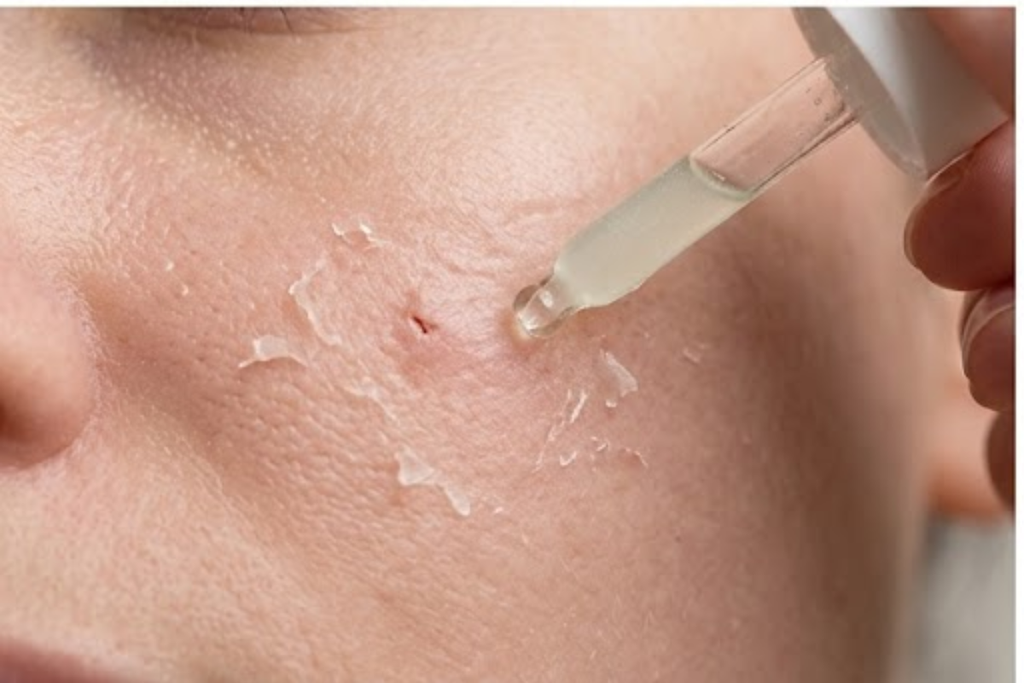
Can You Use Both?
For many skincare routines, these ingredients can work well together because they address different needs.
A routine might use salicylic acid to exfoliate and clear excess oil, followed by a moisturizer containing hyaluronic acid to add hydration. The American Academy of Dermatology Association specifically notes that lightweight moisturizing ingredients such as hyaluronic acid can help prevent excessive dryness from acne-fighting ingredients.
The trick comes down to how your skin responds. Using too many exfoliating products at once can leave skin dry, irritated or uncomfortable. Someone with naturally dry or sensitive skin may want to introduce salicylic acid gradually rather than using it frequently from the beginning.
For more background on how salicylic acid works in skincare, Cleveland Clinic’s guide to facial acids provides a useful breakdown of common facial acids.
Which One Should You Choose?
If your biggest complaint involves dryness, tightness or dehydration, hyaluronic acid makes more sense.
If you’re dealing with blackheads, whiteheads, clogged pores or excess oil, salicylic acid may fit your routine better.
And if you have both oily and dehydrated skin, you don’t necessarily have to choose one. Salicylic acid can address pore congestion while hyaluronic acid helps replenish moisture afterward.
The two ingredients solve different skincare problems, so the better choice depends less on which one sounds more powerful and more on what your skin actually needs.