When shopping for a mobility scooter, it’s easy to focus on battery range, weight capacity, and whether the model folds. Those numbers matter, but they don’t tell the whole story. A scooter can have plenty of range and still feel awkward inside a home, uncomfortable after a long outing, or difficult to load into a vehicle.
A mobility scooter works best when its smaller design details match the way you actually move through your day. Here are several features worth checking before buying.
1. Adjustable Tiller
The tiller controls the steering and usually houses the throttle, speed controls, and other switches. Buyers sometimes check whether a scooter has an adjustable tiller without considering how much that adjustment matters.
A tiller that moves closer or farther away can help you find a more natural arm position. This can matter even more for taller users or anyone spending an hour or more on the scooter.
When comparing models, sit on the scooter rather than judging the tiller from photographs. Your elbows shouldn’t feel cramped, and you shouldn’t have to lean forward to reach the controls.
2. Swivel Seat
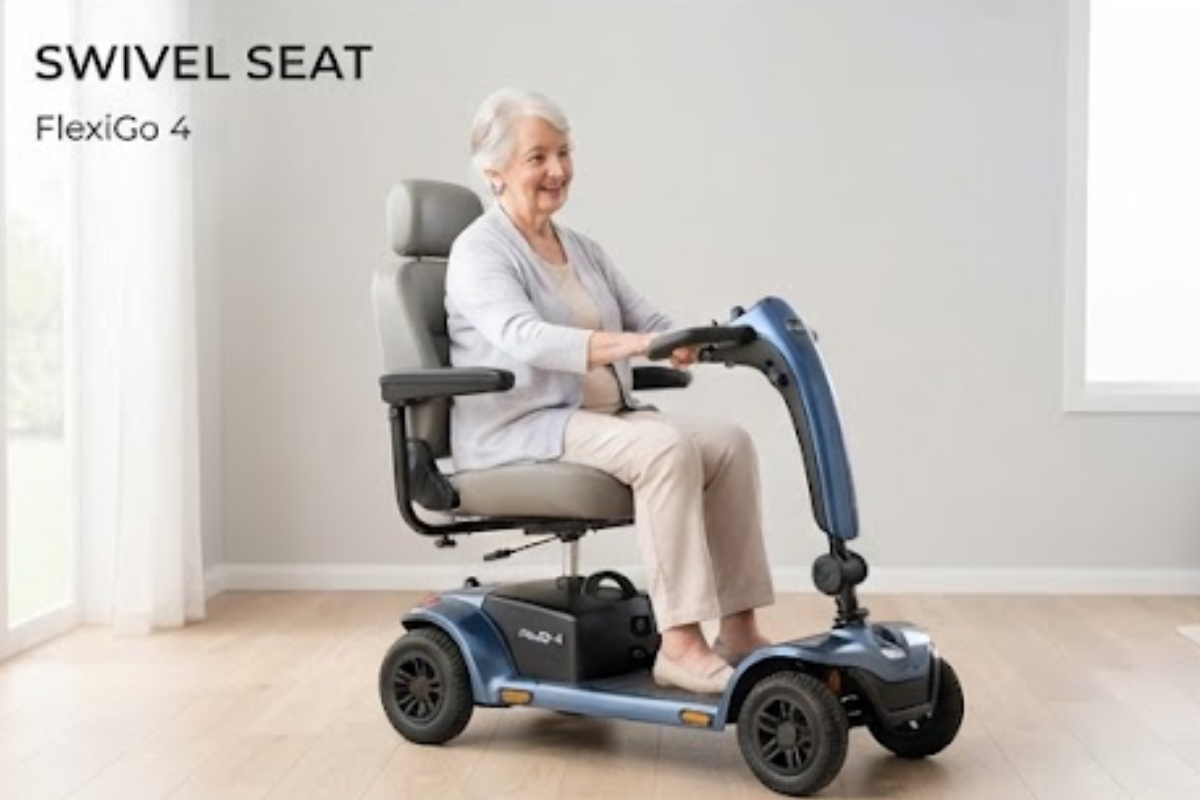
Getting onto a scooter can be awkward when the handlebars block your legs. A swivel seat allows the seat to rotate, making it easier to sit down or get up without twisting as much.
Some models also let you move the seat forward and backward or adjust its height. These small adjustments can change how comfortable the scooter feels during everyday use.
Seat width and depth deserve attention too. A large-looking seat isn’t necessarily comfortable if the dimensions don’t suit your body.
3. Ground Clearance
Ground clearance often gets less attention than battery range, yet it can affect where you can comfortably ride.
A low scooter may have trouble with driveway edges, uneven sidewalks, thresholds, or small changes in pavement height. A model with greater clearance can make these obstacles easier to navigate.
This doesn’t mean choosing the scooter with the highest clearance possible. A higher frame can affect the ease of getting on and off. Think about the surfaces you encounter regularly and compare the clearance with those conditions.
4. Turning Radius
A scooter that feels roomy outdoors may become frustrating inside a home, store, or narrow walkway.
Three-wheel models commonly provide a tighter turning radius, while four-wheel models generally provide a wider footprint and greater stability. The right choice depends heavily on where you plan to ride.
Measure narrow doorways and tight spaces at home before buying. A scooter that barely fits through the doorway can become a daily headache.
5. Suspension
Suspension can make a noticeable difference when riding over cracked sidewalks, rough pavement, or uneven paths.
Travel scooters designed mainly for smooth surfaces may have little or no suspension. Larger models can include front suspension or suspension at multiple wheels.
If most of your trips involve smooth floors and paved walkways, you may not need an elaborate suspension system. If your usual route includes rough sidewalks, parking lots, or uneven paths, it deserves more attention.
A mobility scooter buyer’s guide also points to suspension, turning radius, seat adjustments, and tiller position as specifications worth comparing.
6. The Weight of the Heaviest Piece
A scooter advertised as lightweight can still be difficult to put into a car.
For models that come apart, check the weight of the heaviest individual piece rather than looking only at the total scooter weight. A scooter might weigh 100 pounds overall, but one 40-pound section may still be difficult to lift.
Also measure your trunk opening, not just the available trunk space. The opening itself can prevent a scooter from being loaded even when there appears to be enough room inside.
7. Delta-Style Controls
The shape of the controls can matter more than buyers expect. Some scooters use a delta-style tiller with paddle controls that can be operated with either hand.
This setup may feel easier than a conventional control arrangement for people who prefer using one hand or find small controls uncomfortable.
Try the forward and reverse controls before buying. A control layout that looks simple on paper can feel very different once you’re seated.
8. Lighting and Indicators
Headlights, rear lights, brake lights, and turn indicators can be easy to overlook when comparing specifications.
Even if most trips happen during the daytime, lighting can help make the scooter easier for others to notice in parking lots, driveways, and low-light conditions. Check where the lights sit and whether the controls are easy to reach.
Also check local rules before using a mobility scooter on public roads, sidewalks, or other shared areas.
9. Charging Convenience
Battery range gets plenty of attention, but the charging setup deserves a closer look.
Check where the charging port sits, how easy the connector feels to insert, and whether the charger can be stored conveniently. If the scooter needs to be charged frequently, a difficult connector can quickly become annoying.
Think about where the scooter will live overnight, too. The best charging location may be different from the most convenient storage location.
10. Storage and Carrying Capacity
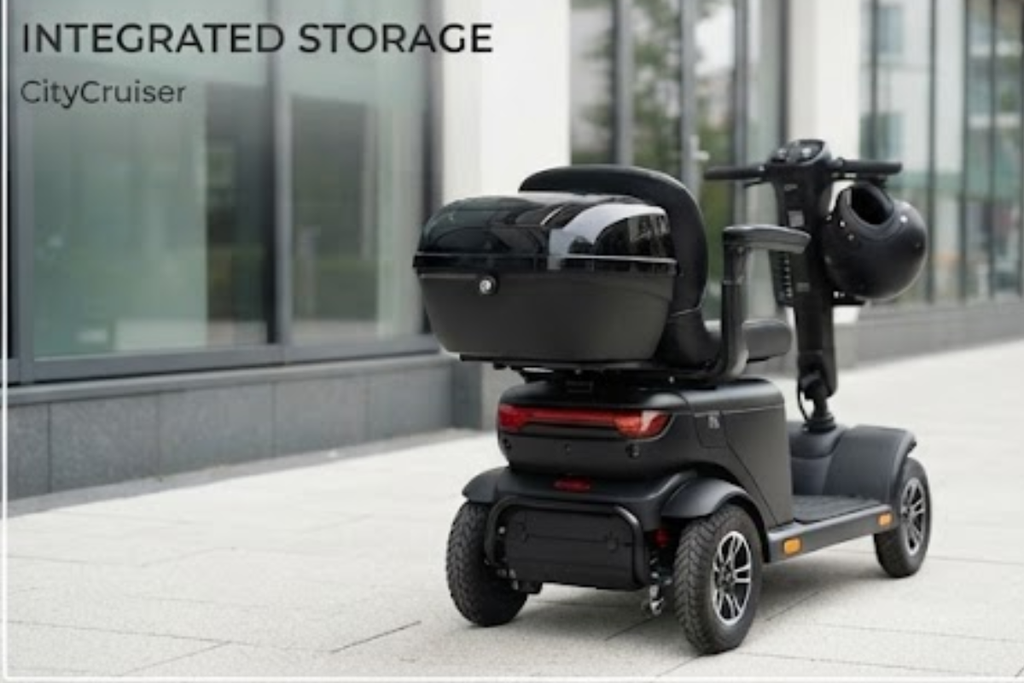
A basket sounds like a minor accessory until you start using the scooter for groceries, mail, medication, or personal belongings.
Look at basket size, mounting position, and whether adding a basket affects visibility or steering. Some scooters also have storage compartments or hooks for smaller items.
The practical test remains simple: imagine your most common trip and think about everything you normally carry. A scooter that handles the journey but leaves nowhere for your belongings may not fit your routine very well.
Improve depth for stronger writing
Upgrade to Plus and use increased reasoning to write compelling drafts.
Get Plus