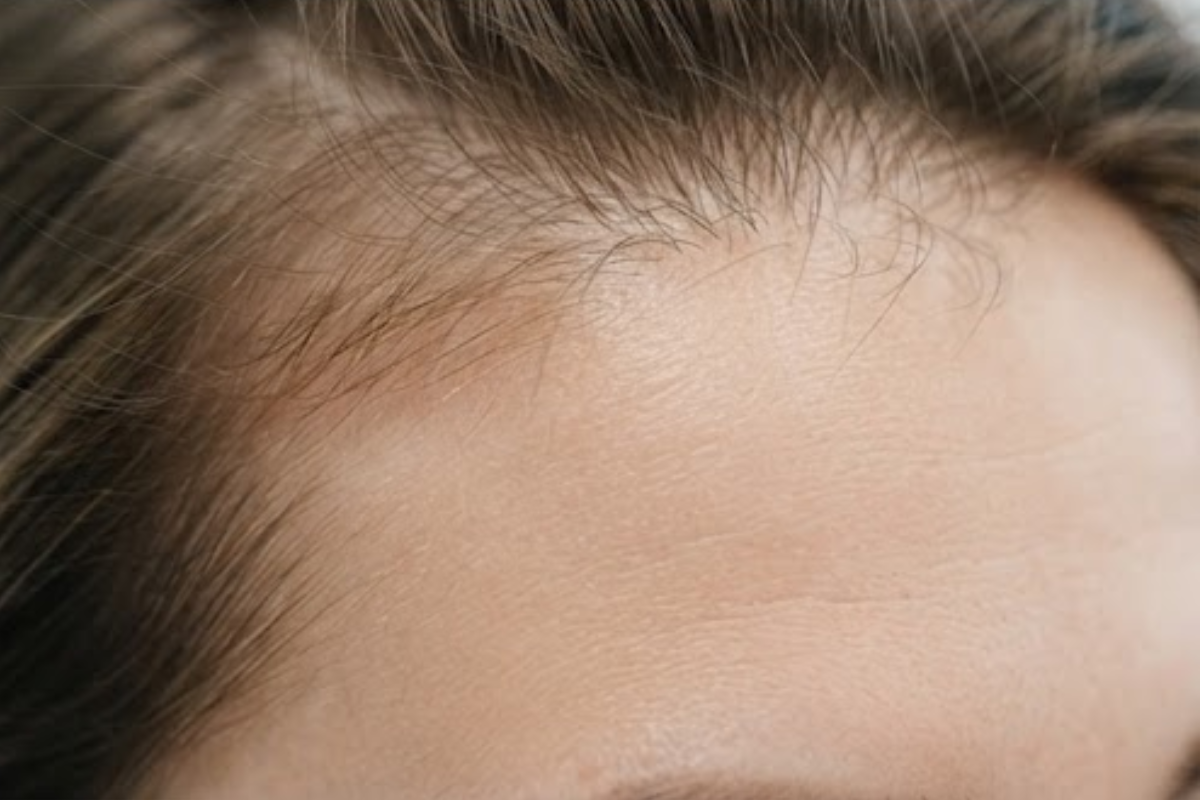
Hair thinning can be frustrating, especially when changes seem to happen gradually. For people dealing with pattern hair loss, platelet-rich plasma (PRP) therapy has become one option worth discussing with a dermatologist. The treatment uses a small sample of your own blood, concentrates the platelets, and injects the resulting plasma into areas of the scalp with thinning hair.
The idea may sound unusual, but PRP has several potential benefits that go beyond simply trying to grow more hair.
1. It Uses Your Own Blood
One of the more unusual aspects of PRP treatment comes from where the treatment material originates: your own blood.
A provider draws blood and places it in a centrifuge to separate the platelets and plasma from other blood components. The concentrated platelet-rich portion then gets injected into the scalp. Platelets contain growth factors involved in tissue repair and healing.
That makes PRP different from treatments that rely on a medication applied to the scalp or taken by mouth.
You can learn more about the biology behind PRP in this Wikipedia overview of platelet-rich plasma.
2. It May Help Hair Stay in the Growth Phase
Hair doesn’t grow continuously. Each follicle moves through different phases, including growth, transition and resting periods.
PRP may encourage follicles to spend more time in the active growth phase. Research and clinical experience have found potential improvements in hair density and growth, particularly for people with androgenetic alopecia, commonly known as male or female pattern hair loss.
That doesn’t mean every thinning follicle will start producing thick hair again. The condition of the follicles and the reason behind the hair loss matter.
3. It May Make Existing Hair Look Thicker
Hair restoration isn’t always about creating completely new follicles. Sometimes the difference comes from getting existing, weakened follicles to produce stronger strands.
PRP treatment may increase hair density and thickness in some people. This can make thinning areas appear fuller even when the overall number of follicles hasn’t dramatically changed.
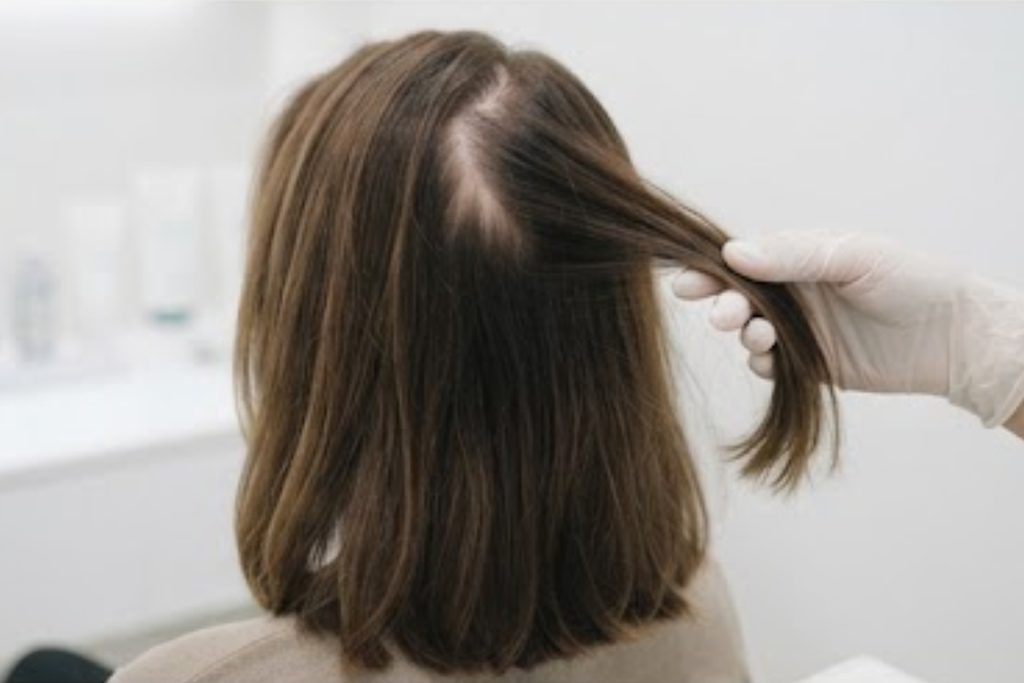
For someone noticing a widening part or increased scalp visibility, even a moderate improvement in density can change the way the hair looks.
4. It Doesn’t Require Hair Transplant Surgery
A hair transplant involves moving follicles from one part of the scalp to another. PRP takes a different approach and involves injections rather than surgical removal and transplantation of hair follicles.
That can make it an option for people who aren’t ready for a transplant or whose hair loss doesn’t warrant one. PRP can also be used alongside other hair-loss treatments rather than necessarily replacing them.
5. It May Work Better When Hair Loss Is Relatively Recent
Timing can matter with hair restoration treatments.
PRP tends to have a better chance of helping when thinning follicles remain viable. Once a follicle has been inactive for a long period or has been destroyed by a scarring condition, getting it to produce hair becomes much harder. Cleveland Clinic notes that PRP tends to work better when hair loss has occurred more recently.
That’s one reason diagnosing the cause of hair loss before starting treatment can make a difference.
6. Results Don’t Happen Overnight
PRP isn’t a treatment where someone should expect a noticeably fuller scalp after one appointment.
Treatment schedules vary, but many protocols involve several sessions followed by maintenance treatments. Cleveland Clinic describes a schedule involving monthly treatments initially, followed by treatments spaced farther apart. Visible improvement can take around three months, with further changes occurring over the following months.
The gradual timeline makes before-and-after photos more useful when they’re taken over several months rather than several weeks.
7. It May Fit Into a Larger Hair-Loss Plan
PRP doesn’t necessarily have to compete with established hair-loss treatments.
Dermatologists may consider combining PRP with treatments such as minoxidil or, where appropriate, finasteride. Cleveland Clinic notes that PRP may produce better results when combined with other medical treatments for certain types of hair loss.
The right combination depends on the cause of the hair loss, medical history and individual circumstances.
8. The Procedure Usually Has Limited Downtime
Because PRP involves injections rather than an incision-based procedure, recovery tends to be relatively straightforward. Some people experience temporary soreness, swelling or discomfort around the injection sites. These effects commonly settle within a day or two.
The bigger commitment may actually come from attending multiple appointments and waiting several months to judge the results.
What to Know Before Trying PRP
PRP can be useful for certain types of hair loss, but it isn’t a universal fix. Hair thinning can result from genetics, hormonal changes, nutritional deficiencies, medications, thyroid problems and other conditions. Finding the cause first can prevent someone from spending time on a treatment that doesn’t address the underlying problem.
For anyone considering PRP, a dermatologist can assess the type and pattern of hair loss and determine whether the treatment makes sense.