Home appliances tend to get noticed only when they stop working. A refrigerator that suddenly quits or a washing machine that floods the laundry room gets immediate attention. Smaller changes, however, can appear weeks or months before a complete breakdown.
A home appliance covers everything from refrigerators and washing machines to microwaves, dishwashers, dryers, and other household machines. Wikipedia’s overview of home appliances Paying attention to unusual sounds, smells, performance changes, and leaks can help homeowners catch problems earlier.
Here are some easy-to-miss warning signs worth watching.
1. Your refrigerator runs much more than usual
A refrigerator normally cycles on and off throughout the day. If you suddenly notice the compressor running almost constantly, the appliance may be struggling to maintain its temperature.
Dust-covered condenser coils, blocked airflow, worn door seals, or cooling-system problems can make the refrigerator work harder. Excessive condensation, frost, or food spoiling sooner than expected can provide additional clues.
Before assuming the refrigerator needs replacement, check whether the vents and coils need cleaning and whether the door gasket closes tightly.
2. The washing machine sounds different
A washing machine doesn’t need to sound completely silent, but a new banging, grinding, squealing, or rattling noise deserves attention.
Loud movement during the spin cycle can sometimes result from an unbalanced load. If the noise continues with smaller loads, the cause could involve the drum, motor, belt, or other internal components.
Also watch for a machine that starts moving across the floor during a cycle. Repeated movement can indicate a leveling problem or an issue that needs closer inspection.
3. Your dryer needs several cycles to dry clothes
When clothes that normally dry in one cycle suddenly need two or three, don’t automatically blame the weather or a larger load.
Restricted airflow from a clogged lint filter, vent, or duct can reduce drying performance. A dryer that runs without producing enough heat can also have a problem with its heating system.
Clean the lint screen after every load and check the manufacturer’s instructions for vent maintenance. If the dryer becomes unusually hot or develops a burning smell, stop using it until the cause gets checked.
4. The dishwasher leaves water behind
A small amount of water in the wrong place can tell you quite a bit.
If dishes come out dirty, water remains at the bottom, or the dishwasher takes noticeably longer to complete a cycle, check the filter and drain area for food debris. A clogged filter can restrict water flow and make the machine work harder.
Leaks around the door or underneath the dishwasher deserve quicker attention because even a small leak can eventually damage flooring or cabinetry.
5. Your appliance smells unusual
A strange smell doesn’t always mean an appliance is about to fail, but it shouldn’t be ignored.
A musty odor from a front-load washer can come from moisture and residue around the rubber gasket. A burning or electrical smell from a dryer, oven, microwave, or other appliance presents a different concern and warrants stopping use until the source has been identified.
Regular cleaning can prevent some odor problems. For example, wiping moisture from washing-machine seals helps reduce mold and mildew buildup.
6. The appliance feels unusually hot
Warmth around certain appliances can be normal. Excessive heat isn’t something to dismiss.
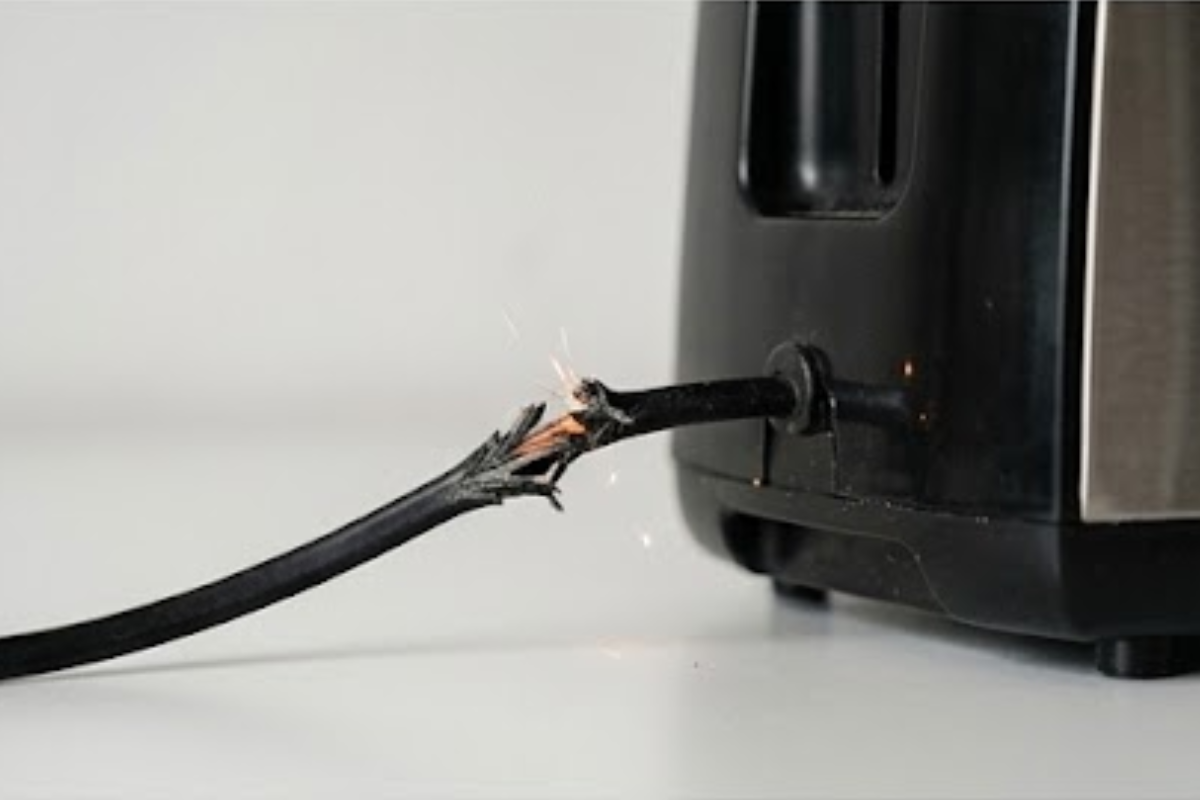
Pay attention to hot plugs, unusually warm power cords, or sections of an appliance that feel much hotter than they normally do. A burning odor, melted plastic, sparks, or visible damage calls for immediate caution. Unplug the appliance if it can be done safely and have it inspected rather than continuing to use it.
7. Your utility bill suddenly changes
An unexplained increase in electricity or gas use can sometimes point toward an appliance working harder than normal.
A refrigerator with dirty condenser coils, for example, may need to run longer to maintain its temperature. Dirty filters and restricted airflow can also make some appliances work harder.
One higher bill doesn’t automatically mean an appliance has failed, but a persistent increase combined with noticeable performance changes deserves investigation.
8. Small leaks keep appearing
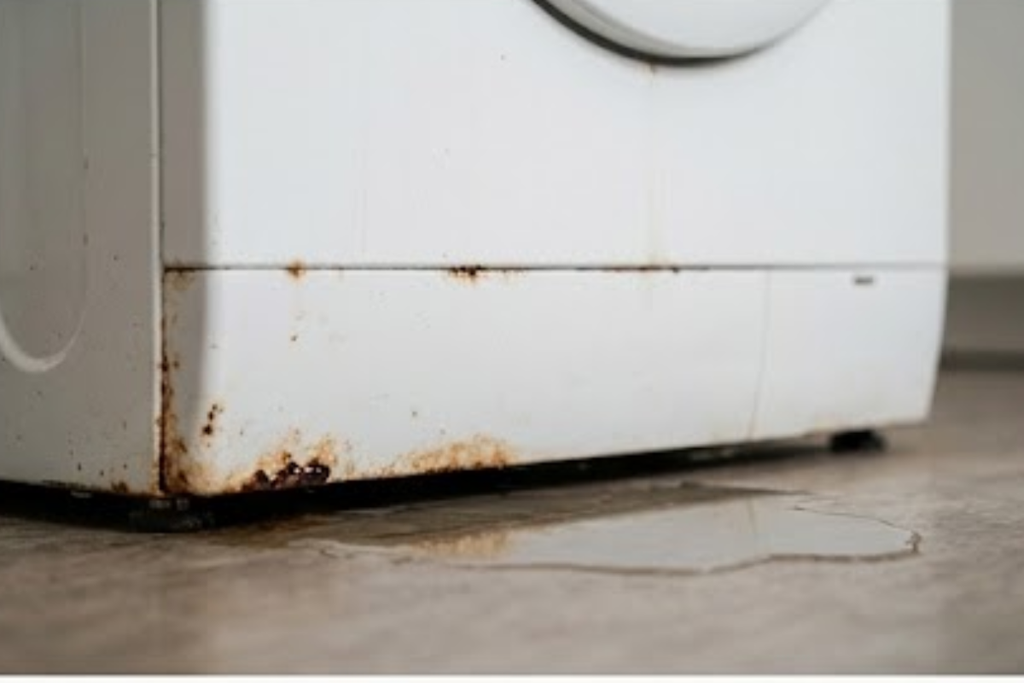
Water underneath a refrigerator, washing machine, dishwasher, or water-using appliance shouldn’t become part of the routine.
Look for damp flooring, water marks, pooling, or moisture around hoses and connections. Catching a small leak early can prevent damage from spreading to floors, cabinets, and nearby walls.
A little attention can prevent bigger problems
Appliances rarely give homeowners a convenient warning that says something is about to fail. Instead, they often communicate through subtle changes: a new noise, longer operating times, unusual smells, poor performance, excess heat, or a small leak.
A few minutes spent noticing those changes can help distinguish normal wear from a problem that deserves inspection. Regular cleaning and maintenance also reduce strain on many common household appliances.