White vinegar has a reputation as a do-it-all household cleaner. Pour some into a spray bottle, and suddenly it seems capable of tackling everything from greasy kitchen surfaces to bathroom stains.
The truth sits somewhere in the middle. White vinegar can handle plenty of everyday cleaning jobs, particularly mineral buildup, soap residue and odors. But it can also damage certain surfaces, and it should not replace a proper disinfectant when killing germs matters.
The reason vinegar works comes down to acetic acid, the compound responsible for its sharp smell and acidic properties. acetic acid
Here are the cleaning jobs where white vinegar earns its place—and the ones where it should stay in the bottle.
1. Hard water stains and mineral buildup
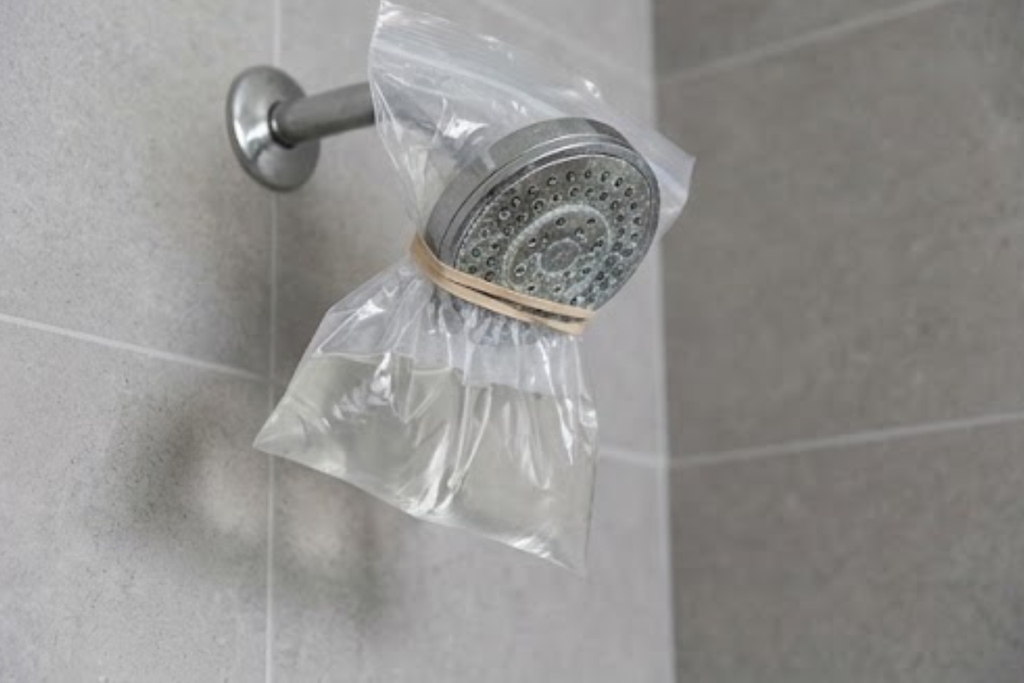
This might be vinegar’s best household use.
Hard water can leave cloudy deposits around faucets, showerheads, glass doors and sinks. The acidity in white vinegar helps break down those mineral deposits, making them easier to wipe away.
For a faucet or showerhead, soak a cloth or paper towel in white vinegar and leave it against the buildup for a while before scrubbing gently. Heavier deposits may need another treatment.
2. Glass and mirrors
Diluted white vinegar can work well on windows, mirrors and other glass surfaces. A simple mixture of equal parts vinegar and water can cut through fingerprints, water marks and light grime.
For fewer streaks, spray the solution onto a microfiber cloth rather than soaking the glass. Wipe in one direction, then buff with a dry cloth.
27 Smart (and Sustainable) Uses for Vinegar Around the House
3. Shower doors and soap scum
White vinegar can help loosen the mineral deposits and soap residue that accumulate on glass shower doors.
Spray vinegar over the affected area, allow it to sit for several minutes, then wipe and rinse. For stubborn soap scum, a little dish soap can help cut through the greasy residue.
Don’t use this method on natural stone surfaces, though.
4. Coffee makers and kettles
If your coffee maker or kettle has accumulated mineral deposits, vinegar can help dissolve them.
For appliances designed to be descaled with vinegar, run a diluted vinegar solution through the appropriate cycle, then run fresh water through afterward to rinse away the residue and smell. Check the manufacturer’s instructions first, since some appliances specifically recommend a commercial descaler instead.
5. Smelly household items
Vinegar can help neutralize certain household odors rather than simply covering them with fragrance.
A small amount can help with smells in garbage cans, refrigerators and other washable areas. For fabrics, test a hidden section first and follow the care instructions.
6. Laundry odors and residue
Adding a modest amount of white vinegar to the rinse cycle can help reduce odors and detergent residue. It may also leave towels feeling less stiff.
Vinegar should not go into the same wash cycle as chlorine bleach. The combination can produce dangerous chlorine gas.
7. Toilets
White vinegar can help with mineral deposits and mild odors inside a toilet bowl. It won’t magically remove every stain, and it shouldn’t be treated as a substitute for a toilet disinfectant when germ control matters.
For stubborn buildup, letting vinegar sit for a while before scrubbing can work better than immediately wiping it away.
8. What vinegar should NOT clean
This matters just as much as knowing where vinegar works.
Avoid using white vinegar on marble, limestone and other natural stone surfaces. Its acidity can damage the finish or protective coating. Be cautious with some hardwood floors, delicate finishes, electronic components and certain metal surfaces as well.
Vinegar also shouldn’t go anywhere near chlorine bleach. Never combine the two.
And despite its reputation as a “natural” cleaner, vinegar isn’t a universal disinfectant. It can help with some microbes, but household vinegar shouldn’t be relied on when a surface needs proper disinfection.
The bottom line
White vinegar works best when the problem involves mineral deposits, light soap buildup, odors or everyday grime. It can be especially handy in bathrooms, kitchens and laundry rooms.
What it doesn’t do is replace every cleaner in the cabinet. For grease, heavy stains, serious mold problems or situations where disinfection matters, a product designed for that specific job may work better.
Used on the right surfaces, though, a bottle of plain white vinegar can handle a surprising number of routine cleaning tasks without much effort.