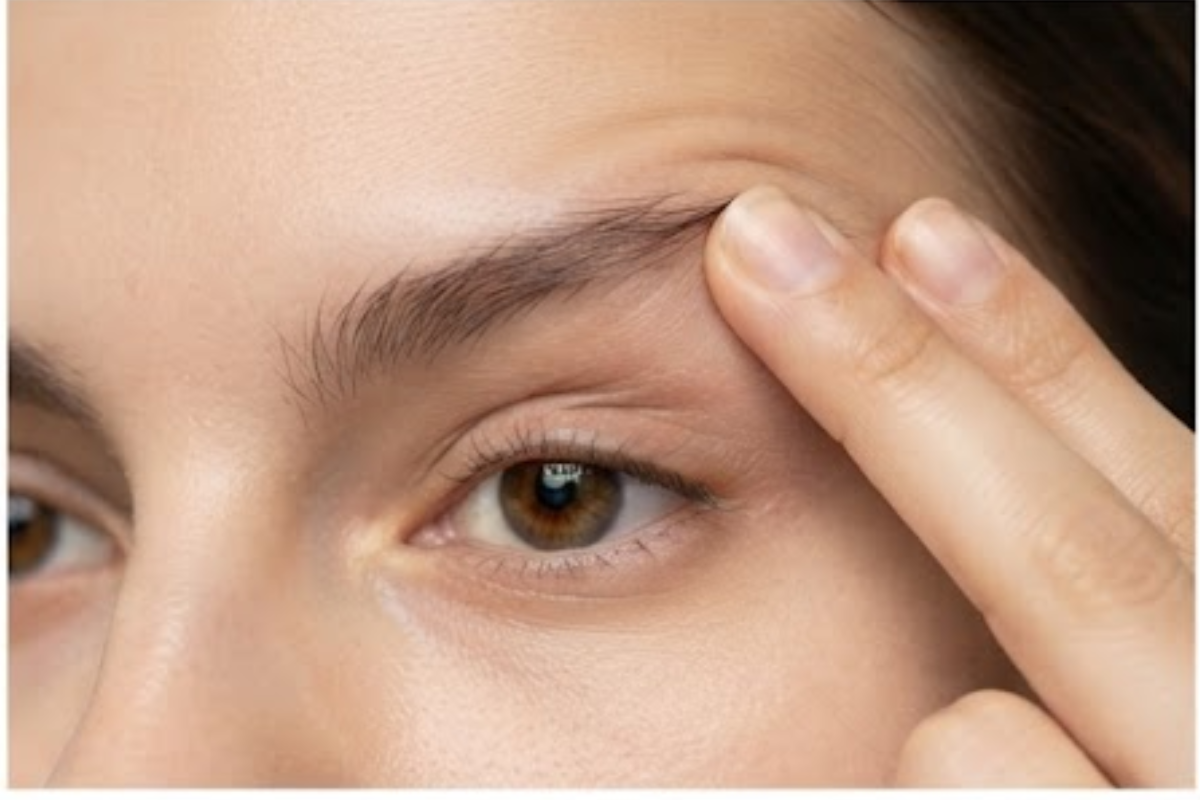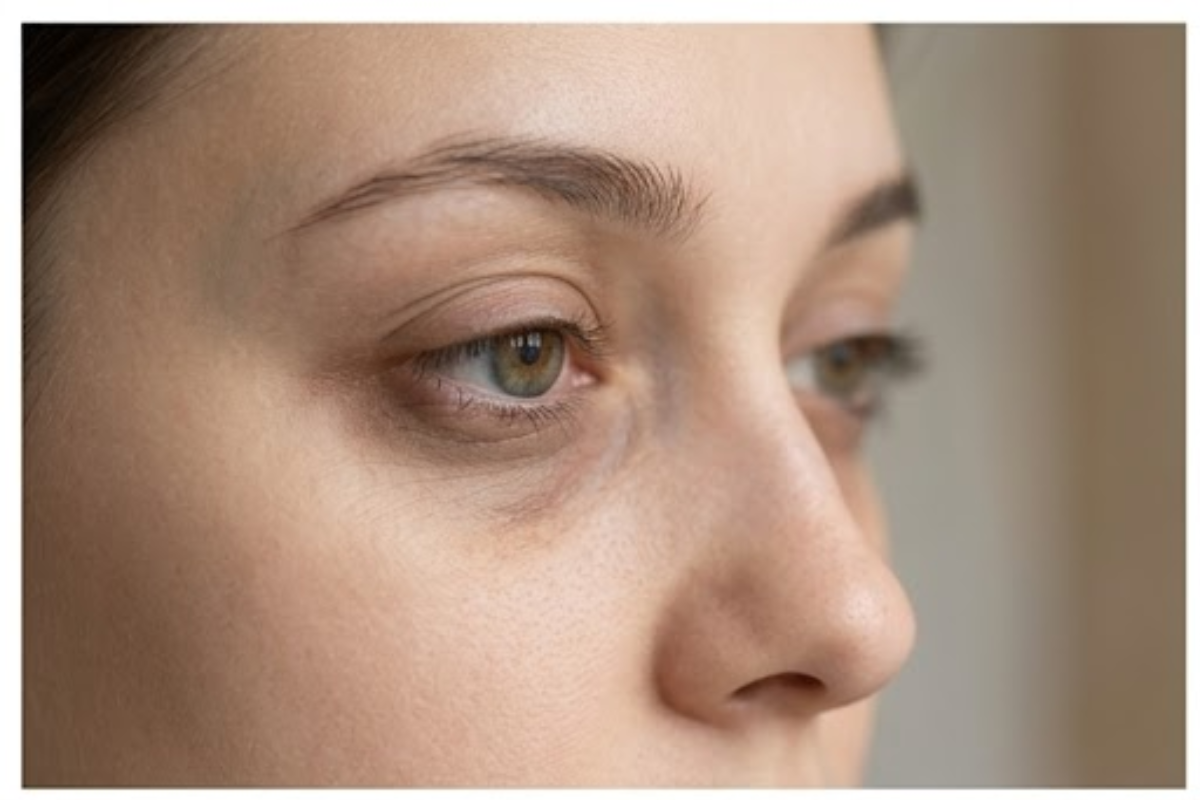
Dark circles under the eyes can make you look tired even after a good night’s sleep. They can also be frustrating because the cause isn’t always obvious. Lack of sleep gets most of the blame, but under-eye darkness can come from several different factors, including genetics, skin thickness, allergies, sun exposure, and changes that happen with age.
Understanding what causes the darkness can make it easier to choose something that may actually help.
Not Every Dark Circle Comes From Lack of Sleep
A late night can make under-eye circles more noticeable, but sleep deprivation usually isn’t the only reason they appear.
The skin beneath the eyes has very little fat and tends to be thinner than the skin on other parts of the face. Blood vessels can therefore show through more easily, creating a blue, purple, or darker appearance. When you’re tired, dehydration and changes in blood flow can make this effect more noticeable.
Genetics also matter. If close family members have naturally dark under-eyes, you may have inherited thinner skin, increased pigmentation, or a facial structure that creates more shadow beneath the eyes.
Pigmentation Can Play a Part
Brown or darker-looking circles often come from excess pigment in the skin. Sun exposure can encourage pigment production, and repeated rubbing or irritation may make the area darker over time.
People with deeper skin tones can also develop more noticeable pigmentation around the eyes. In these cases, simply getting more sleep may not change the appearance very much.
Daily sunscreen can help prevent further darkening. A broad-spectrum SPF 30 or higher applied carefully around the eye area can reduce exposure to ultraviolet light. Sunglasses can provide another layer of protection.
Allergies May Make Them Worse
If you frequently deal with itchy, watery, or congested eyes, allergies could be part of the problem. Rubbing the eyes repeatedly can irritate the delicate skin and potentially increase pigmentation.
Allergy-related congestion can also make blood vessels beneath the eyes more visible. You may notice darker circles along with puffiness, itching, sneezing, or a stuffy nose.
Avoiding known triggers and managing allergy symptoms may reduce the appearance over time. Try not to rub or scratch the area, even when your eyes feel irritated.
Aging Changes the Area Around Your Eyes
Dark circles can become more noticeable with age. As skin becomes thinner and loses some collagen, underlying blood vessels may show through more clearly. Fat loss around the eyes can also create hollows that cast shadows.
In this situation, the darkness may actually come partly from shadow rather than pigmentation. That’s one reason why brightening creams don’t always produce dramatic results.
What Can You Try at Home?
A few simple habits can improve the appearance of under-eye circles, depending on the cause.
Get consistent sleep. Aim for a regular sleep schedule rather than trying to make up for several short nights with one long sleep.
Stay hydrated. Dehydration can make the area look dull or sunken. Drinking enough fluids throughout the day can help your skin look less tired.
Use sunscreen. Protecting the area from UV exposure can help prevent additional pigmentation.
Try a cool compress. A cool, damp washcloth placed over closed eyes for several minutes may temporarily reduce puffiness and make the area look fresher.
Be gentle. Avoid aggressive rubbing, scrubbing, or pulling when removing makeup or applying skincare.
What About Eye Creams?
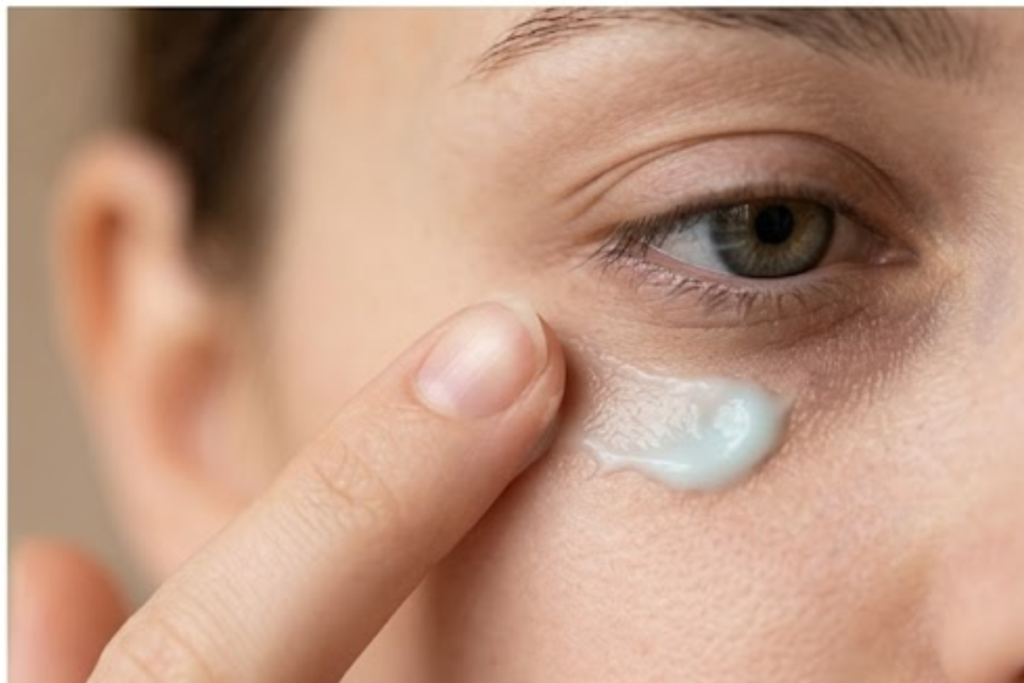
Some skincare ingredients may help with certain types of dark circles. Products containing vitamin C, niacinamide, retinoids, or caffeine can be useful depending on the cause and your skin’s tolerance.
Caffeine may temporarily reduce the appearance of puffiness, while ingredients that support skin renewal may gradually improve pigmentation or texture.
The eye area can react more easily than the rest of the face, so introduce one product at a time and avoid getting active ingredients directly into the eyes.
When Home Remedies May Not Be Enough
If dark circles come mainly from genetics, facial structure, deep tear troughs, or age-related volume loss, creams may have limited effects. A dermatologist can determine whether pigmentation, visible blood vessels, shadows, or a combination of factors contributes to the appearance.
Treatments can vary depending on the cause and may include prescription skincare, chemical peels, lasers, fillers, or other procedures.
The biggest takeaway: dark under-eye circles don’t have one universal cause, so there isn’t one universal fix. Better sleep and basic skincare can help when lifestyle and skin irritation play a role, while persistent circles may require a different approach.