
Mobility can change gradually after 60. It may start with taking the elevator instead of the stairs, spending longer periods in a chair, or avoiding a walk because your knees feel stiff. None of these choices seems like a big deal on its own. Over time, though, everyday routines can affect strength, flexibility, balance, and confidence when moving around.
The good news: many of these habits can be changed without turning your routine upside down.
1. Spending too much time sitting
Long stretches on the couch, at the kitchen table, or in front of a computer can make movement feel harder. Muscles that rarely get used can lose strength, while the hips and knees may feel stiff after sitting for an hour or more.
This doesn’t mean you need to avoid sitting. Try breaking up long periods with short movement breaks. Stand up, walk around the house, stretch your legs, or do a few gentle movements every 30 to 60 minutes.
A sedentary lifestyle can involve far more sitting than many people realize.
2. Avoiding stairs whenever possible
Taking an elevator or avoiding stairs can make sense when you’re tired or dealing with pain. But if stairs disappear completely from your routine, your legs may get fewer opportunities to work against gravity.
You don’t need to climb several flights to get a benefit. If stairs feel safe, occasionally choosing one flight instead of the elevator can give your legs some extra work. Hold the railing when needed and avoid stairs when pain or balance problems make them unsafe.
3. Walking only when you have somewhere to go
Many people associate walking with errands rather than exercise. Once driving becomes the default for short trips, daily walking can drop without anyone noticing.
A short walk around the neighborhood, through a shopping center, or inside the house can add movement to the day. The pace doesn’t have to be fast. Consistency matters more than trying to cover a certain distance every time.
Harvard Health notes that walking can help build lower-body strength while also supporting balance.
4. Skipping strength exercises
Walking alone doesn’t work every muscle that helps with everyday movement. Your legs, hips, back, and core all help you stand up, climb stairs, carry groceries, and recover when you lose your balance.
Simple strength exercises can include chair squats, wall push-ups, calf raises, or resistance-band exercises. Even body-weight movements can provide a useful challenge.
The goal isn’t to lift heavy weights. It’s to give your muscles a reason to keep working.
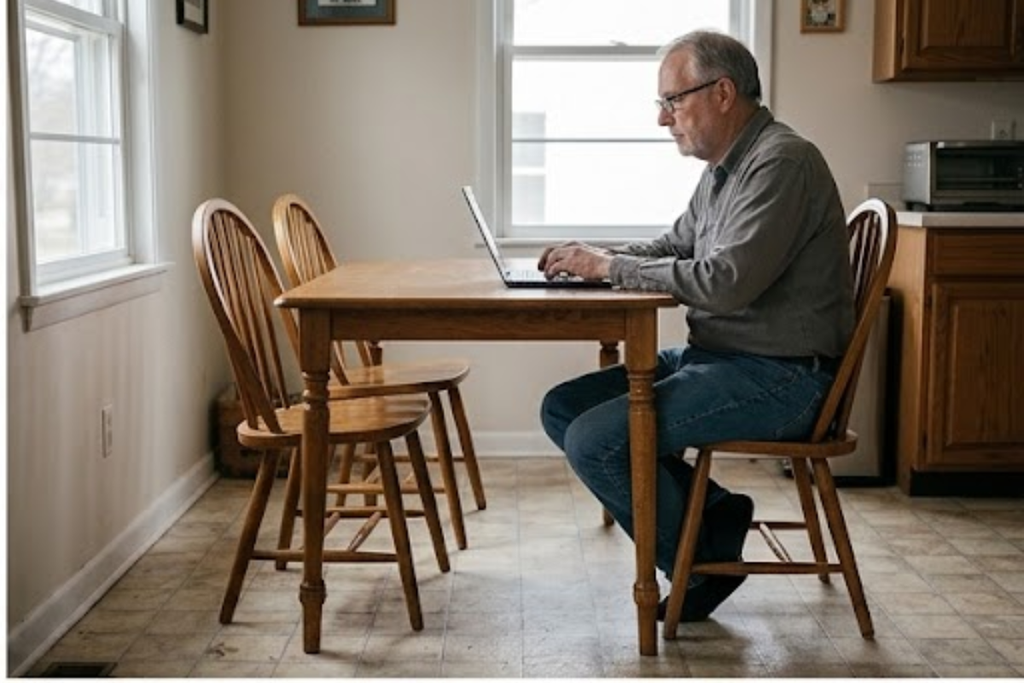
5. Staying in the same position for too long
Whether you’re sitting at the kitchen table or standing at the counter, staying in one position for a long time can leave your joints feeling stiff.
Changing positions throughout the day can help. If you’ve been sitting, stand for a few minutes. If you’ve been standing, sit and rest. Gentle ankle circles, shoulder movements, and slow stretches can also break up periods of inactivity.
6. Being overly cautious about movement
After a stumble, minor injury, or period of illness, it’s understandable to become more careful. The problem can come when avoiding movement becomes the routine.
Less activity can lead to weaker muscles and less confidence, which may make normal activities feel harder. Instead of eliminating movement altogether, consider modifying it. For example, use a railing on stairs, walk with a companion, or choose a flat route.
For people with balance concerns, practicing safe balance exercises can also help. Harvard Health recommends combining balance work with general physical conditioning and strength training.
7. Ignoring small changes in mobility
Needing more time to get out of a chair, holding onto furniture while walking, or struggling with a familiar flight of stairs may seem like ordinary aging. These changes can also provide useful clues that your strength, balance, or flexibility needs more attention.
Pay attention to changes that persist or interfere with daily activities. New or worsening difficulty walking, repeated falls, significant pain, dizziness, or weakness deserves a conversation with a healthcare professional.
8. Treating stretching as optional
Stiff hips, ankles, shoulders, and knees can make everyday movements less comfortable. Gentle stretching won’t solve every mobility problem, but maintaining flexibility can make it easier to move through a normal range of motion.
Try adding a few minutes of gentle stretching after a walk or during a break from sitting. Avoid forcing a stretch or pushing through sharp pain.
Mobility doesn’t usually disappear overnight. It can change through hundreds of small daily choices. Getting up more often, walking regularly, practicing strength exercises, and keeping joints moving can help make everyday activities feel more manageable after 60.