An older car doesn’t always need a major repair bill to feel better behind the wheel. Small improvements to the parts you touch, see, hear and use every day can make a 10-year-old vehicle feel noticeably fresher.
Before spending money on cosmetic upgrades, focus on the areas that affect the driving experience most.
1. Start With a Deep Interior Cleaning
Years of dust, stains, crumbs and accumulated grime can make a car feel older than it really is.
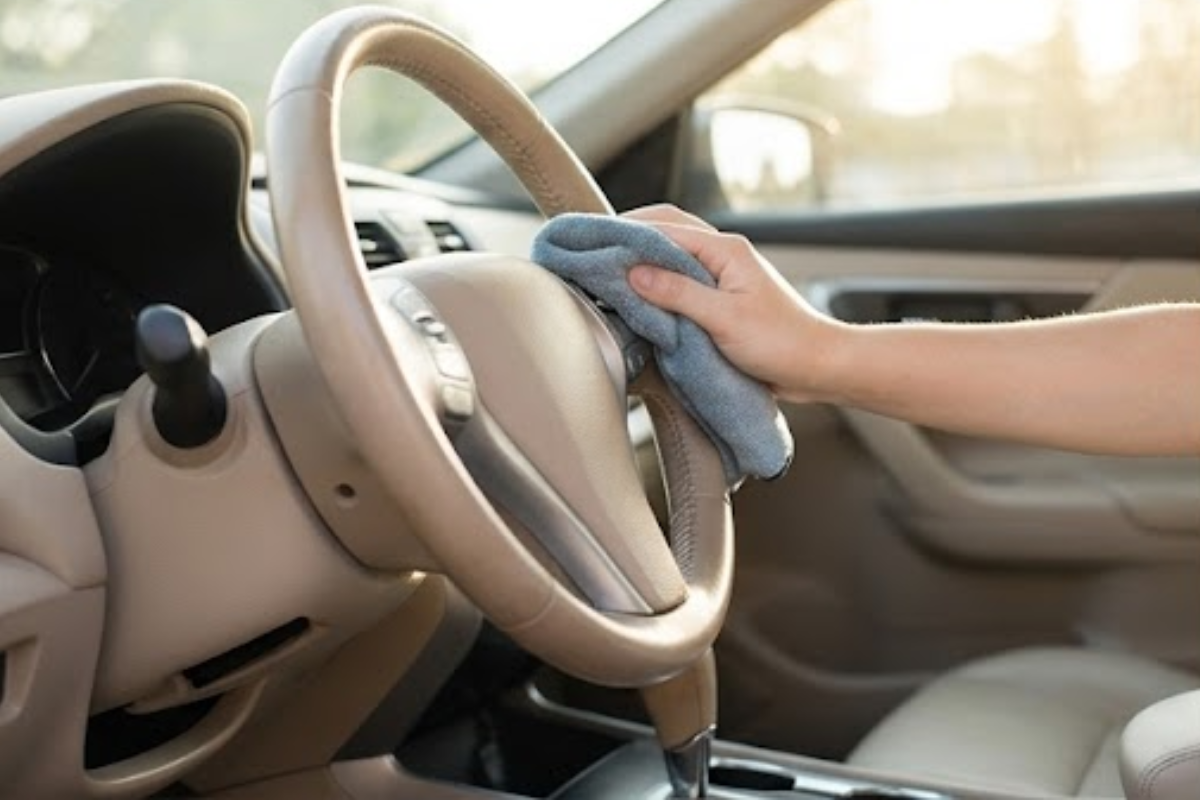
Vacuum the seats, carpets, floor mats and hard-to-reach areas around the center console. Clean the dashboard, door panels and vents with appropriate interior cleaners. Don’t forget the steering wheel, shift knob and door handles. These high-touch areas can collect a surprising amount of dirt.
For fabric seats and carpets, a basic upholstery cleaner or inexpensive detailing service can make a noticeable difference. Leather seats may benefit from a proper leather cleaner and conditioner.
This type of work falls under auto detailing, which goes beyond a normal car wash by cleaning and restoring both interior and exterior surfaces.
2. Replace Worn Floor Mats
Floor mats take a beating. They collect dirt, stains, water and road salt, and badly worn mats can make an otherwise clean interior look tired.
A fresh set doesn’t need to cost hundreds of dollars. Look for mats designed for your specific vehicle, or choose a good-quality universal set that fits properly.
If the original mats still look decent, a thorough cleaning may be enough. For older cars with cracked, curled or permanently stained mats, replacement can provide one of the quickest visual improvements.
3. Restore Cloudy Headlights
Yellow or hazy headlights can make an older car look considerably older. They can also reduce the amount of light reaching the road at night.
A headlight restoration kit can often address moderate oxidation without replacing the entire headlight assembly. The process generally involves cleaning, sanding or polishing the lens, followed by a protective coating.
Don’t skip the protective step. Without it, the restored surface can become cloudy again.
4. Put Fresh Life Into the Tires
Tires influence how a car feels on the road more than many cosmetic upgrades.
Start by checking the tire pressure against the manufacturer’s recommended figure, usually found on the driver’s-side door jamb. Proper inflation can improve ride quality, handling and fuel economy.
If the tires have plenty of tread but have become old, cracked or hardened, replacement may be worth considering. Fresh tires can make an older vehicle feel quieter, smoother and more predictable.
5. Fix the Small Annoyances
That loose door handle, broken cup-holder, squeaky vent or missing trim piece might seem minor, but these are the things you notice every time you drive.
Make a list of five small issues that bother you most and tackle them one at a time. Replacement switches, trim pieces, knobs and other small parts can often be found through auto-parts stores, salvage yards or online marketplaces.
You don’t need to restore every detail. Fix the things you interact with regularly.
6. Upgrade the Technology
Older cars often feel dated because of their technology rather than their mechanical condition.
A portable Apple CarPlay or Android Auto screen can add modern navigation, music and hands-free calling without replacing the factory dashboard. A simple USB-C charger can also make a difference if the original power setup feels outdated.
A backup camera or compact dash camera can add functionality that wasn’t available when the car was built. Modern accessories can bring some newer-car conveniences to an older vehicle without replacing the entire infotainment system.
7. Don’t Ignore Basic Maintenance
A car won’t feel new if it drives poorly.
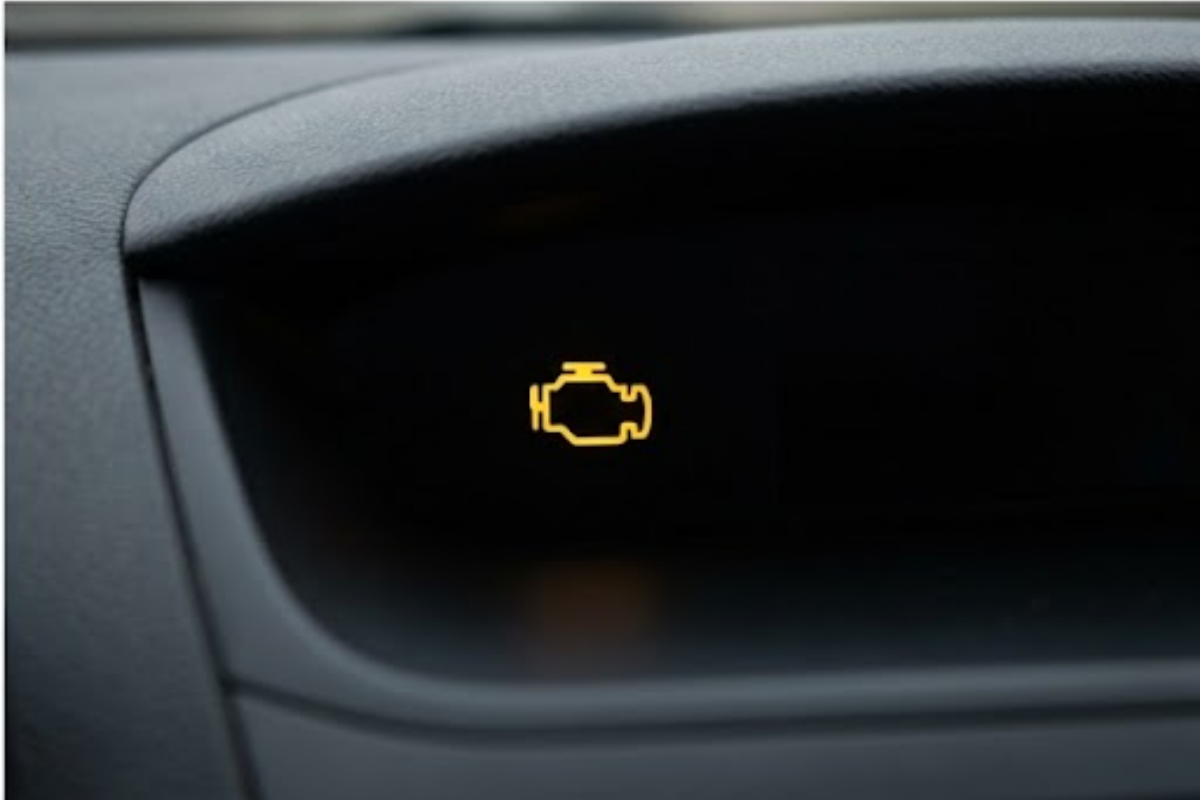
Check the engine oil, air filters, battery, brakes, belts, hoses and windshield wipers. If the steering feels loose, the car pulls to one side or you notice vibrations, have the suspension and alignment inspected.
Worn brakes, aging tires and overdue maintenance deserve attention before cosmetic upgrades. Regular maintenance also helps prevent small problems from becoming expensive repairs.
8. Give the Exterior a Proper Cleanup
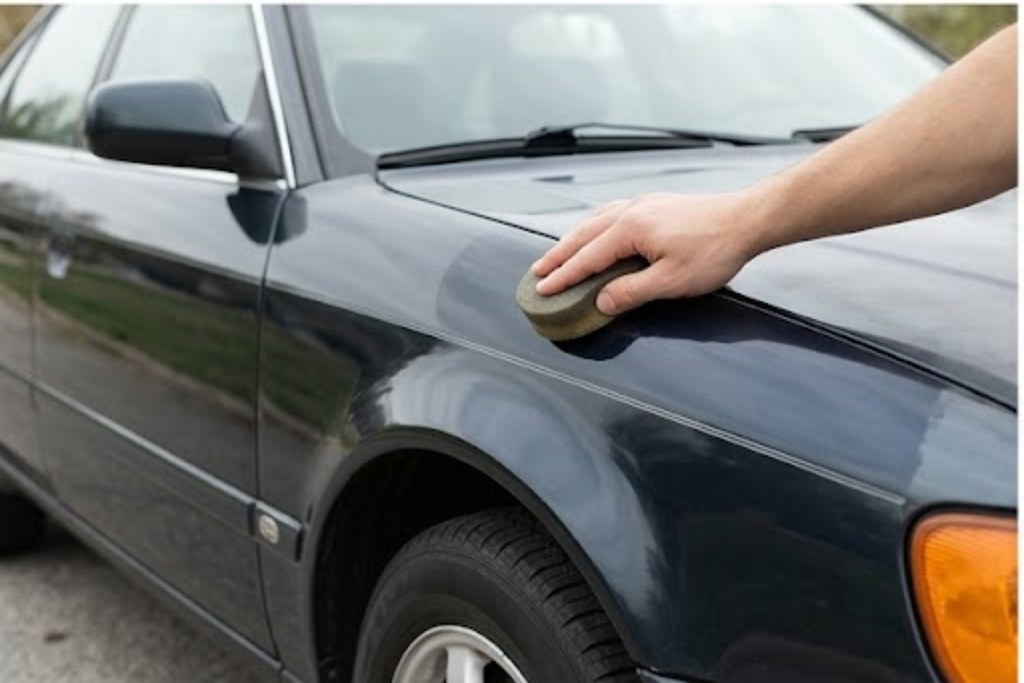
A thorough wash followed by paint-safe polishing can remove years of accumulated grime and bring back some of the paint’s shine.
Clean the wheels and tires separately, wash the windows inside and out, and replace damaged windshield wipers. Even simple touches such as fresh wiper blades and clean glass can make the car feel better maintained.
You don’t need a full professional detail every year. Sometimes a focused weekend of cleaning can produce most of the visual improvement.
The Bottom Line
Making an older car feel newer doesn’t require turning it into a different vehicle. Start with the things you interact with every day: the seats, steering wheel, floor mats, tires, headlights, controls and infotainment.
Spend money where wear affects comfort, safety or drivability, and handle the inexpensive cosmetic fixes yourself. A few targeted improvements can make an aging car feel considerably fresher while keeping far more money in your bank account.