The Right Cleaning Cloth for Every Surface in Your Home
A cleaning cloth might seem like one of those household items that works anywhere, but using the same cloth on every surface can leave streaks, spread grease, or even cause scratches. Glass, wood, stainless steel, countertops, and electronics all respond differently to moisture and friction.
The good news: you don’t need a cabinet full of specialty products. A few different types of cloths, each assigned to the right job, can make routine cleaning easier and safer.
1. Microfiber for everyday dust and surfaces
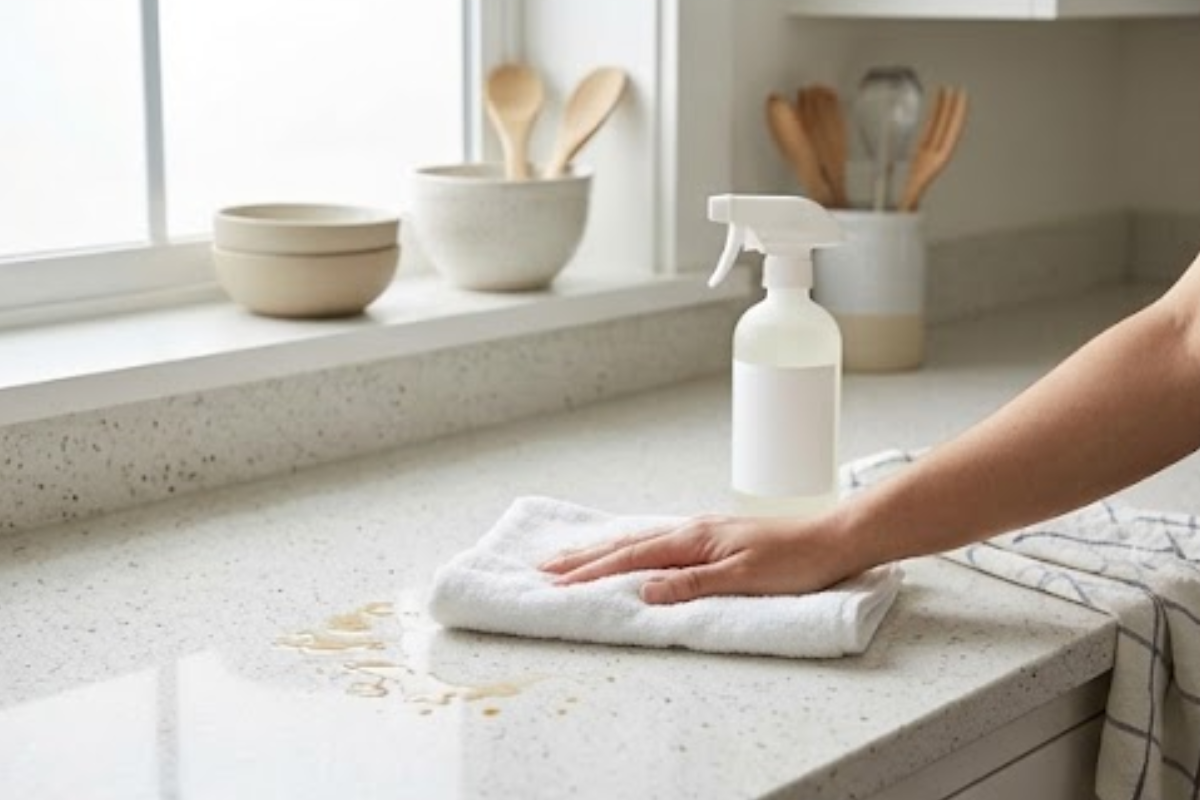
Microfiber cloths work well for everyday dust, fingerprints, and light grime. Their extremely fine synthetic fibers can pick up small particles and absorb moisture without leaving much lint behind.
Use a soft microfiber cloth for:
- Painted walls and doors
- Shelves and bookcases
- Kitchen counters
- Bathroom vanities
- Furniture
- General dusting
Keep separate cloths for kitchens and bathrooms. A cloth used around the sink or toilet shouldn’t make its way back to the kitchen counter.
2. A smooth microfiber cloth for glass and mirrors
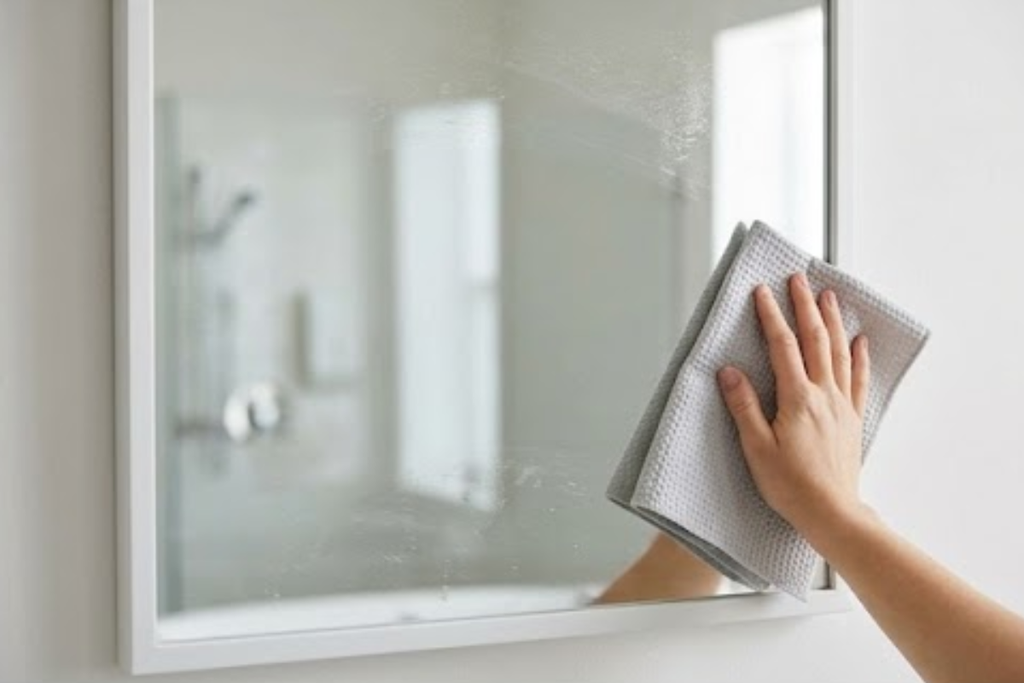
Windows and mirrors need a cloth that doesn’t leave lint or excessive streaks. A smooth, tightly woven microfiber cloth can work well for routine glass cleaning.
For the best finish, first remove loose dirt with a damp cloth, then use a clean, dry cloth for the final wipe. Cleaning in sections rather than soaking the entire mirror can also reduce streaking. The Spruce recommends finishing glass with a dry microfiber cloth to catch remaining haze and fingerprints.
For antique glass, delicate crystal, or specialty surfaces, check the manufacturer’s cleaning instructions before using microfiber.
3. Soft cotton for delicate wood
Wood needs a gentler approach, particularly when the finish has become worn or when you’re dealing with unfinished wood.
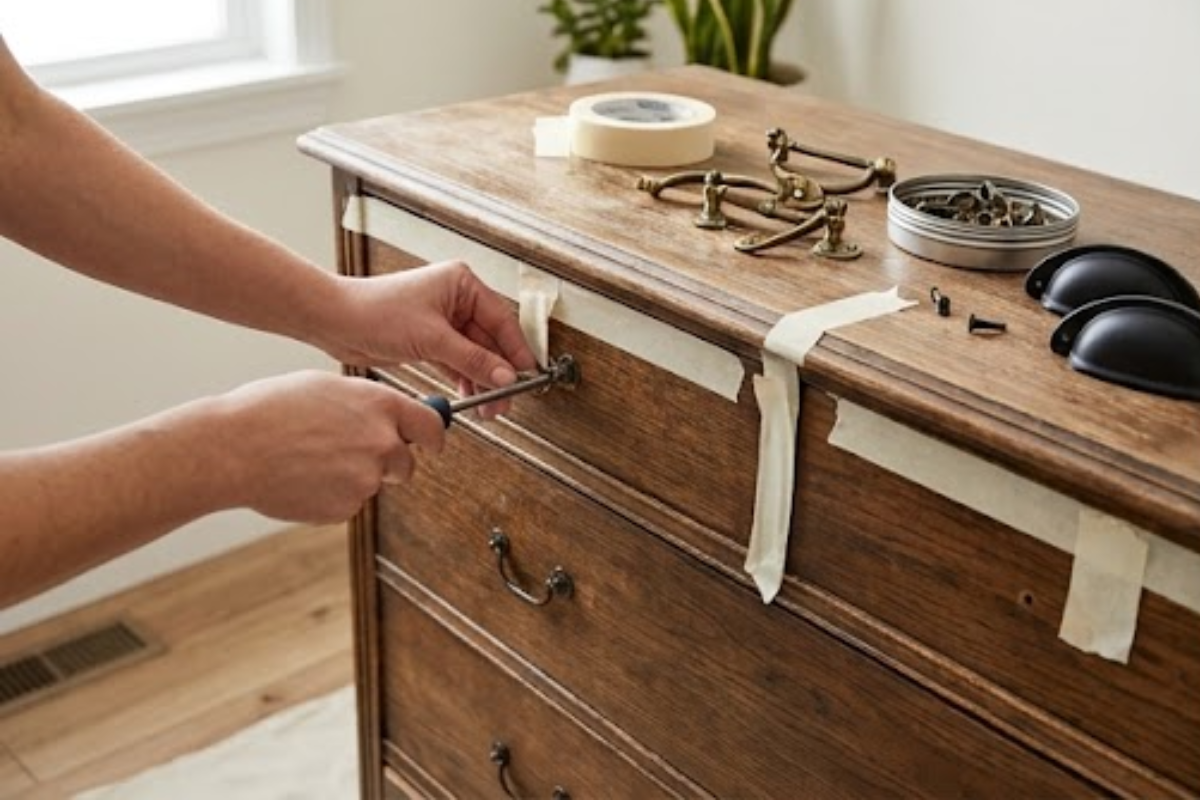
A soft cotton cloth works well for light dusting and wiping down finished wood furniture. Keep the cloth only slightly damp when necessary, and avoid saturating the surface with water.
For kitchen cabinets, a microfiber cloth can work with an appropriate mild cleaning solution, but excess moisture should be avoided because it can seep into joints and damage the material.
4. A dedicated cloth for stainless steel
Stainless steel appliances often look worse after cleaning because the wrong cloth leaves streaks across the finish.
Use a soft, non-abrasive cloth, preferably one reserved for stainless steel. Wipe in the direction of the grain rather than making random circular motions.
Grease can clog a microfiber cloth and cause it to smear oil across the appliance. A fresh, clean cloth makes a noticeable difference.
5. Terry cloth for spills and heavy-duty jobs
Terry cloth has loops that make it absorbent, which makes it handy when you’re dealing with larger amounts of water or cleaning solution.
Keep a few around for:
- Drying countertops
- Cleaning up spills
- Wiping bathroom surfaces
- Drying sinks
- General household messes
They’re less suited to mirrors and polished surfaces where lint can become annoying.
6. Specialized screen cloths for electronics
TVs, laptops, tablets, and monitors deserve their own cleaning cloth. A soft, lint-free cloth designed for electronics can remove fingerprints and dust without putting unnecessary pressure on the display.
Don’t grab an old kitchen rag for your laptop screen. Dirt and grit trapped in a reused cloth can scratch sensitive surfaces. Some microfiber cloths work well for electronics, but products specifically designed for screens provide a safer choice.
Also avoid spraying liquid directly onto a screen. Apply an appropriate cleaner to the cloth when the manufacturer’s instructions permit it.
7. Separate cloths for bathrooms and kitchens
Sometimes the material matters less than where the cloth has been used. A microfiber cloth that works perfectly well in the kitchen shouldn’t double as a bathroom cloth.
One simple system works well: use different colors for different rooms or jobs. For example, reserve one color for kitchens, another for bathrooms, and another for dusting and general household cleaning.
Wash reusable cloths regularly, and don’t mix heavily soiled cleaning cloths with everyday laundry.
The simple cleaning-cloth setup
You don’t need dozens of options. For most homes, a practical collection includes general-purpose microfiber cloths, smooth cloths for glass, soft cotton cloths for delicate surfaces, absorbent terry cloths, and screen-safe cloths for electronics.
The bigger trick isn’t owning every type of cleaning cloth. It’s knowing which one to grab before you start wiping. A clean, appropriate cloth can prevent streaks, reduce the spread of grime, and help protect the surfaces you’re trying to clean.