Getting older can change the way your body handles cholesterol, blood pressure, blood sugar, and inflammation. Food choices can make it easier to support heart health without turning every meal into a complicated nutrition project.
The best options tend to have plenty of fiber, healthy fats, vitamins, minerals, and plant compounds while keeping added sugar and highly processed ingredients relatively low. Here are seven foods worth working into regular meals.
1. Oatmeal
A warm bowl of oatmeal can do more than fill you up in the morning. Oats contain soluble fiber, particularly beta-glucan, which can help reduce LDL cholesterol when eaten regularly as part of a balanced diet.
Try topping plain oats with berries, walnuts, cinnamon, or sliced banana instead of relying on flavored packets loaded with added sugar. Steel-cut and old-fashioned oats also work well for a filling breakfast.
2. Salmon
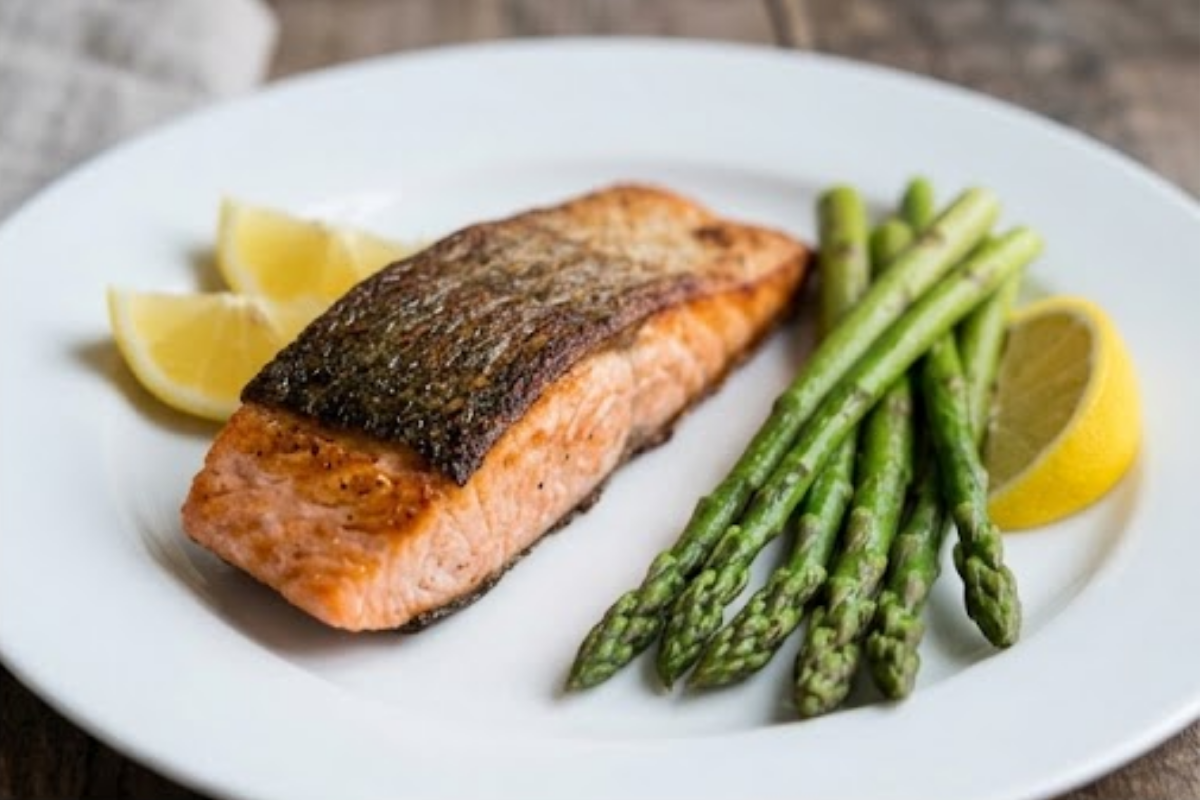
Fatty fish such as salmon provide omega-3 fatty acids, protein, vitamin B12, and vitamin D. Omega-3 fats can support cardiovascular health, while salmon provides a convenient source of protein without the saturated fat found in many processed meats.
Grilled, baked, or air-fried salmon can work with vegetables, brown rice, or a simple salad. Other fatty fish, including sardines, trout, and mackerel, can provide similar nutritional benefits.
3. Walnuts
A small handful of walnuts can add unsaturated fats, fiber, plant protein, magnesium, and omega-3 fatty acids to your diet. Nuts also make an easy replacement for snacks containing refined carbohydrates or added sugars.
Try adding chopped walnuts to oatmeal or yogurt, tossing them into a salad, or simply eating a small portion between meals. Since nuts contain a lot of calories in a relatively small serving, portion size still matters.
4. Beans
Black beans, kidney beans, chickpeas, lentils, and other legumes provide a combination of fiber, plant protein, potassium, magnesium, and other nutrients.
Their fiber content can help with cholesterol management and digestion, while the protein can make meals more satisfying. Beans also work in everything from soups and chili to tacos and salads.
If using canned beans, check the sodium content and rinse them under water before eating. That simple step can reduce some of the added sodium.
5. Berries
Blueberries, strawberries, raspberries, and blackberries bring fiber and naturally occurring plant compounds to the plate. They also provide a sweet option without the added sugar found in many desserts and packaged snacks.
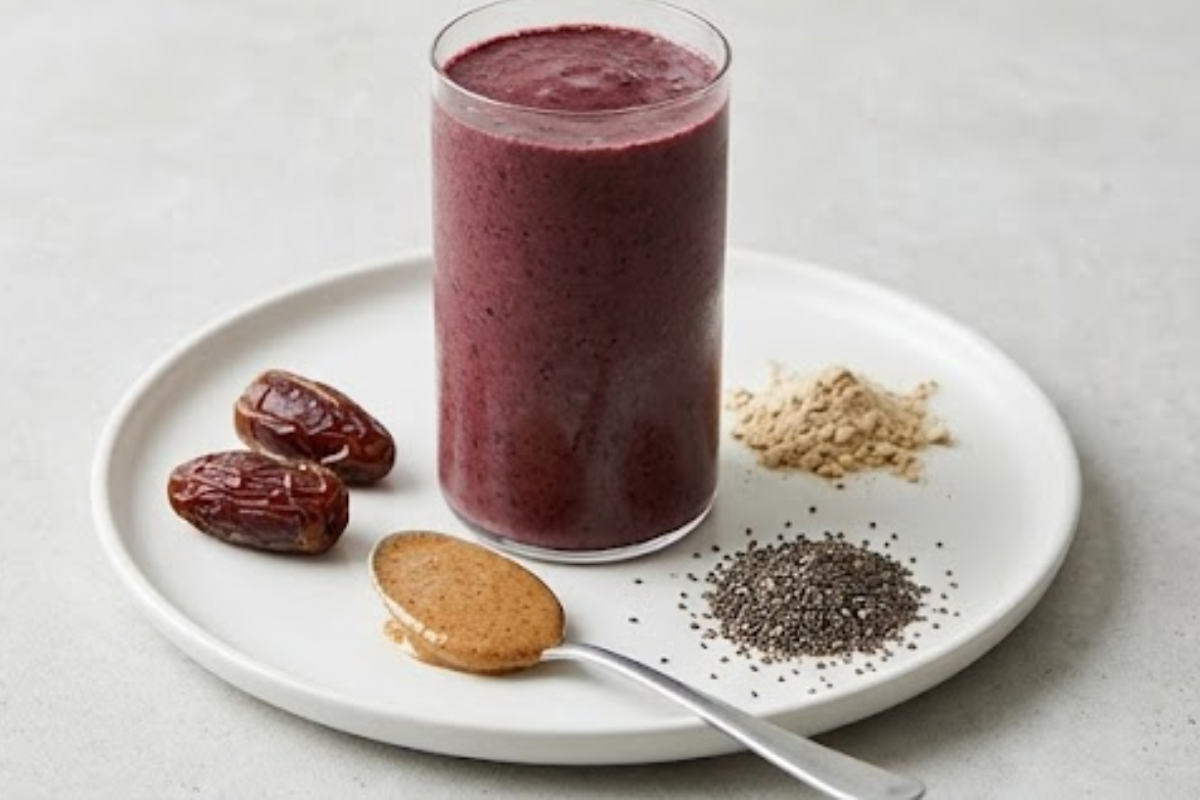
Fresh berries work well when they’re in season, but frozen berries can make a practical choice for smoothies, oatmeal, or yogurt. Pairing berries with plain Greek yogurt and a few nuts creates a simple snack with protein, fiber, and healthy fats.
6. Leafy Greens
Spinach, kale, collard greens, and other leafy vegetables provide nutrients such as folate, vitamin K, magnesium, and potassium. Their low calorie content also makes it easy to add a generous portion to meals.
Toss spinach into eggs, add kale to a grain bowl, or sauté collard greens with garlic and olive oil. A larger variety of vegetables throughout the week can also make meals more interesting.
For more background on the nutrients found in leafy greens, the Wikipedia overview of leafy vegetables provides a useful reference.
7. Avocados
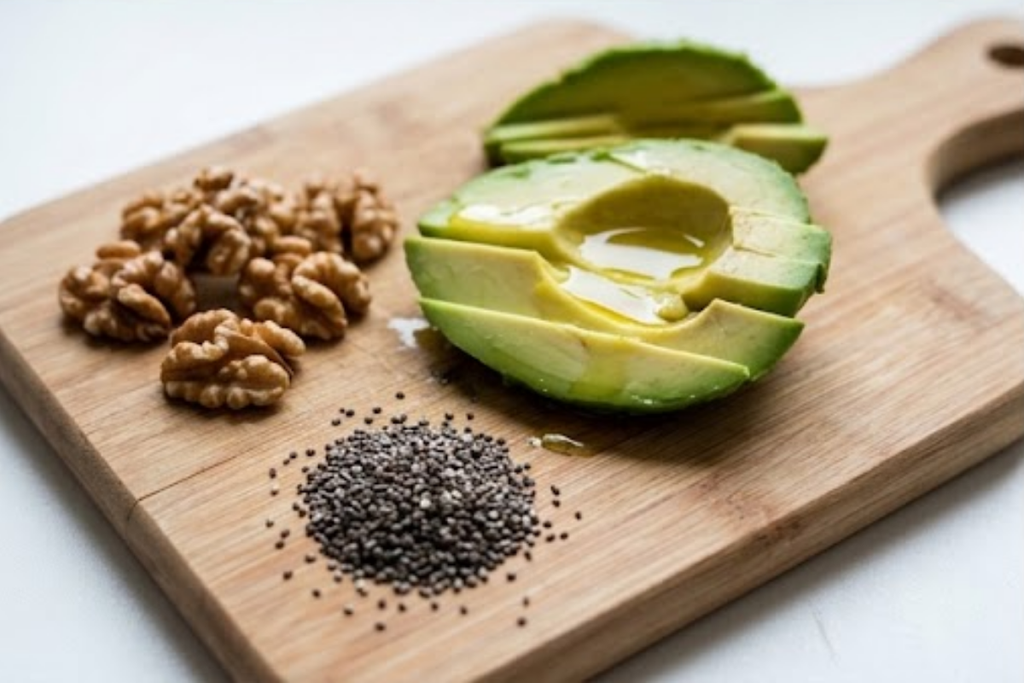
Avocados provide mostly monounsaturated fat along with fiber, potassium, folate, and several other nutrients. Replacing foods high in saturated fat with sources of unsaturated fat can fit into a heart-conscious eating pattern.
Spread avocado on whole-grain toast, add slices to a salad, or mix it into a bean bowl. Portion size remains worth watching because avocados pack a fair amount of calories into each serving.
Building a Heart-Friendly Plate
You don’t need to eat all seven foods every day. A practical approach involves mixing several of them across the week: oatmeal with berries and walnuts at breakfast, a bean-and-greens salad at lunch, and salmon with vegetables for dinner, for example.
The American Heart Association’s heart-healthy eating guidance also recommends patterns that include vegetables, fruits, whole grains, healthy sources of protein, and unsaturated fats while limiting excess sodium, added sugars, and saturated fats.
Small food choices repeated over time can make a regular diet more supportive of cardiovascular health as you get older.