That carton of eggs sitting in the refrigerator a few days past its date does not automatically belong in the trash. The same goes for a box of pasta, a jar of mustard, or an unopened can of beans.
Food dates can be confusing because the wording on the package does not always tell you whether a food has become unsafe. In the U.S., most food products do not have federally required expiration dates, with infant formula being a notable exception. Many dates instead help indicate freshness or quality.
Understanding what those dates mean can help you avoid throwing away perfectly usable food while knowing when it makes sense to toss something.
Not every date means the same thing
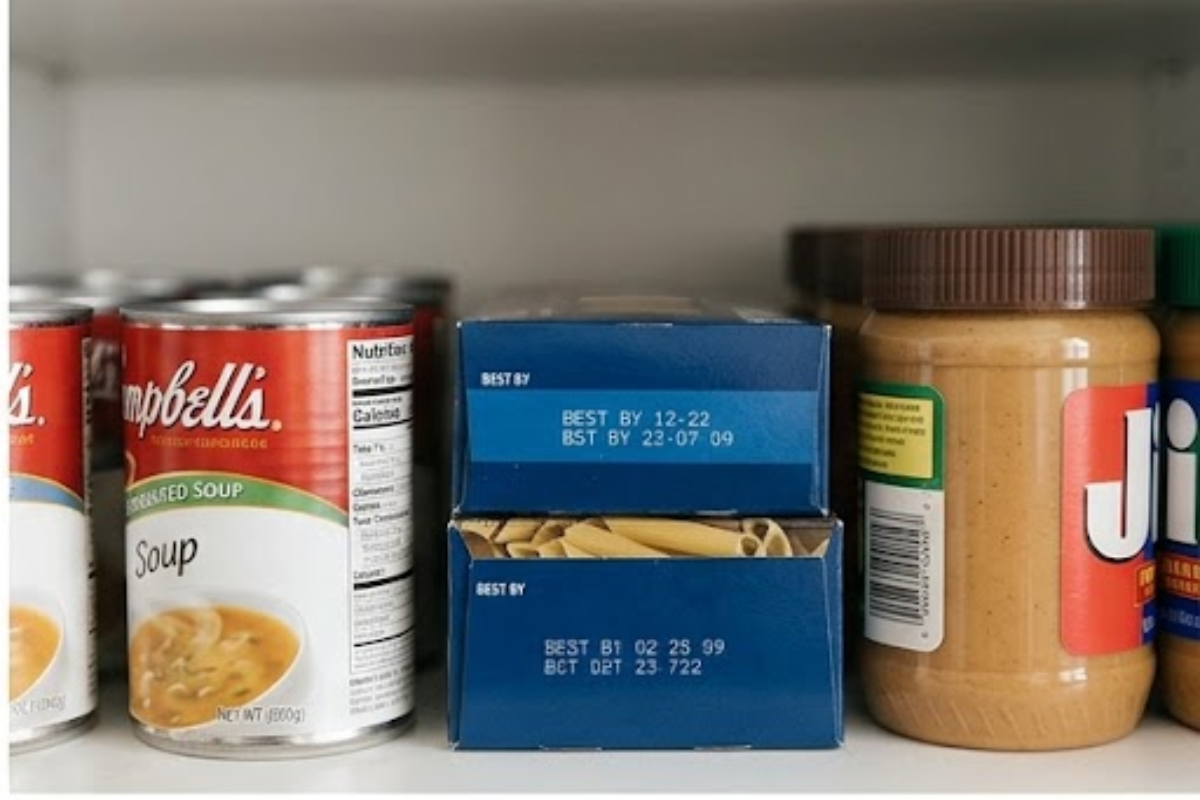
A “Sell By” date primarily helps stores manage inventory. It does not necessarily mean the food becomes unsafe the next day.
A “Best if Used By” date generally relates to quality. Food may gradually lose its ideal flavor, texture, or freshness after that date.
A “Use By” date can be more important for certain foods, but the meaning depends on the product and the manufacturer’s instructions. When in doubt, follow storage directions and use extra caution with highly perishable foods.
For a quick explanation of how food dating works, the expiration date entry on Wikipedia provides useful background.
Foods that can often last beyond the printed date
Some foods can remain perfectly usable after their quality date, especially when they have stayed sealed and have been stored correctly.
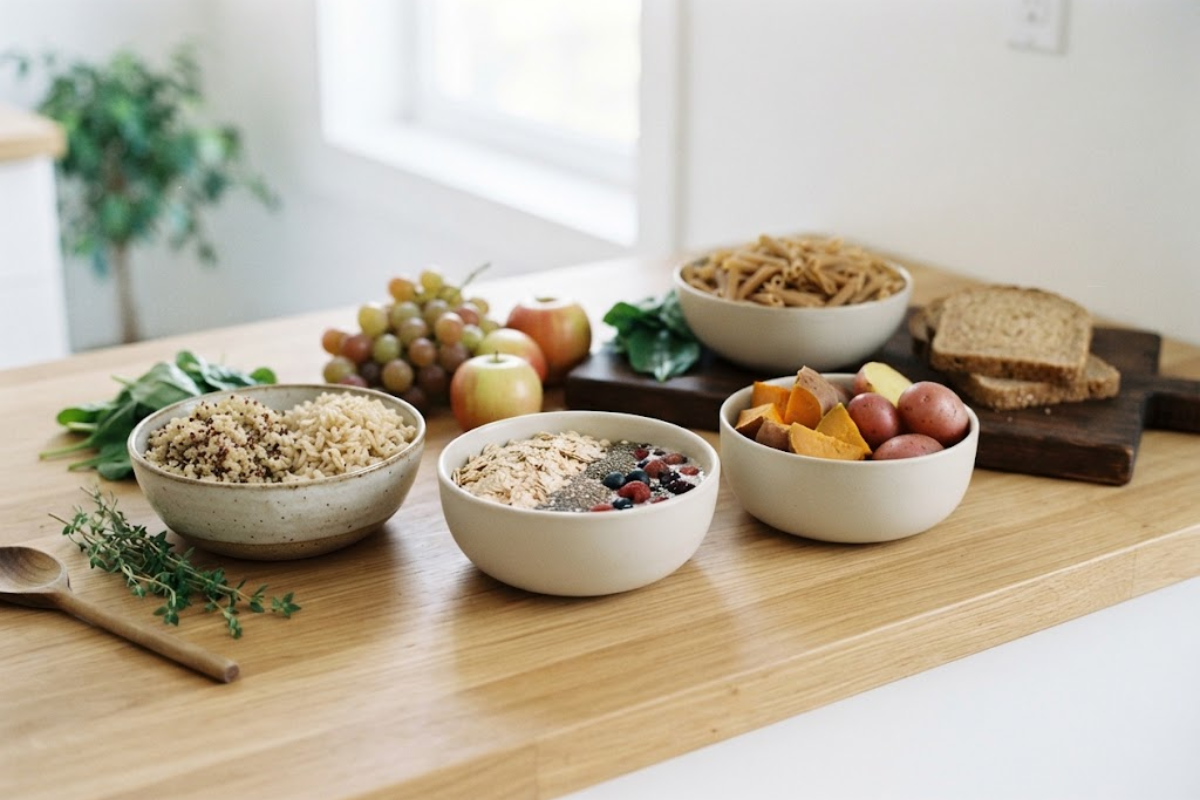
Dry pasta and rice: Unopened dry pasta can last well beyond its printed date when kept somewhere cool and dry. Dry rice also has a long pantry life, although brown rice tends to spoil sooner because of its natural oils.
Canned foods: Undamaged, commercially canned foods can often remain safe for a long time after a best-by date when stored properly. However, cans that are bulging, leaking, badly rusted, or severely damaged should go in the trash.
Condiments: Ketchup, mustard, vinegar-based sauces, and similar products can often remain usable beyond the date on the bottle. Changes in smell, color, texture, or the appearance of mold provide better reasons to discard them.
Packaged bread: Bread can remain edible after its printed date if it has been stored properly and shows no mold. If you see mold on bread, don’t simply cut off the affected section. Mold can spread below the visible surface.
Frozen foods: Food kept continuously frozen can remain safe for long periods, although its taste and texture may deteriorate over time. Freezer burn usually affects quality rather than making the food dangerous.
EatingWell has also examined foods that can last beyond their printed dates, including dry pasta, rice, packaged bread, condiments, eggs, and some dairy products.
Foods that deserve more caution
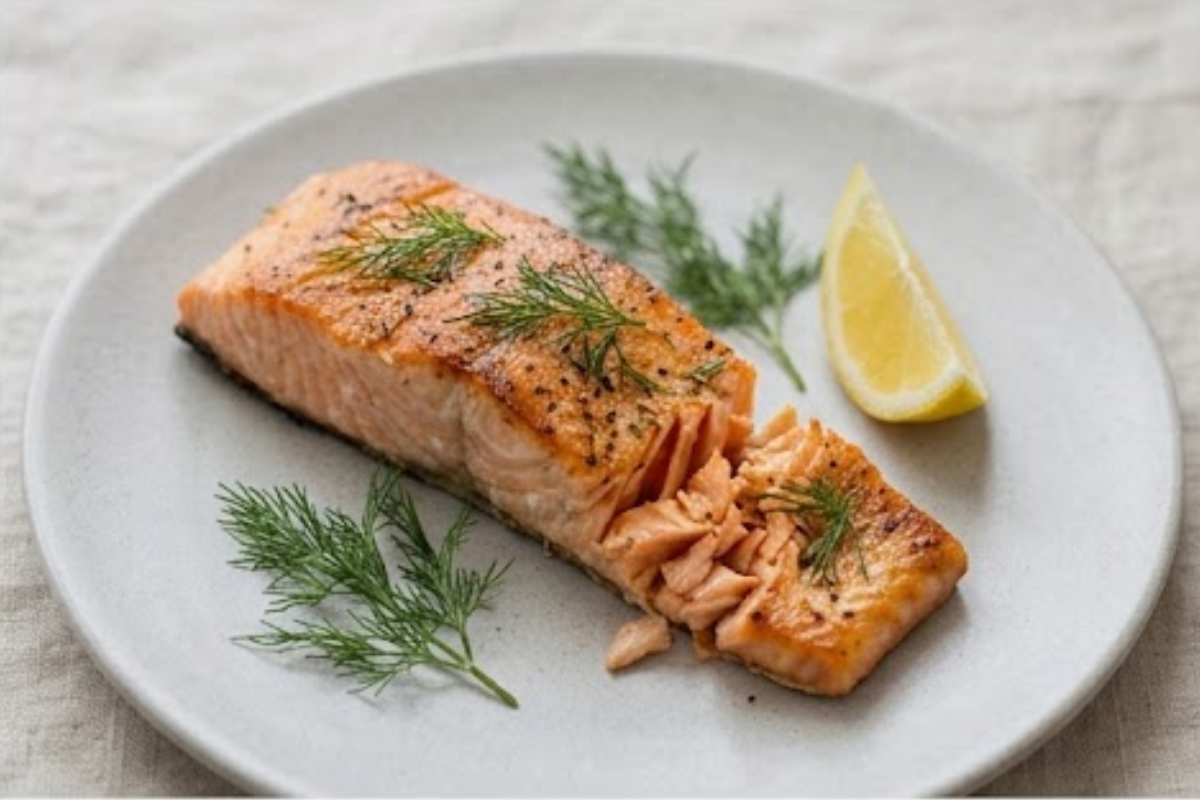
Fresh meat, poultry, seafood, soft cheeses, prepared salads, and other refrigerated perishables require more attention.
The date alone cannot tell you whether these foods remained safe. Temperature matters. Food that spent too long at room temperature can become unsafe even when its printed date has not passed.
For example, raw chicken that has been improperly stored should not be rescued simply because the package date looks fine. The same principle applies to leftovers that have been sitting out for hours.
Eggs can sometimes remain usable beyond the date printed on the carton when refrigerated properly, but cracked eggs or eggs with unusual odors should be discarded.
Your senses can help—but they have limits
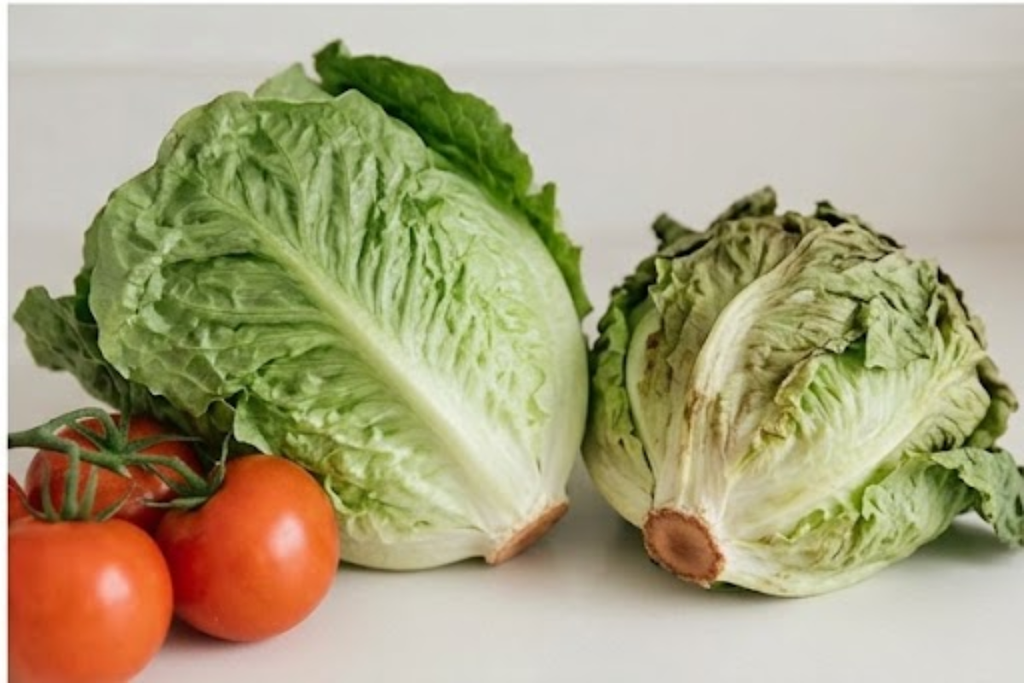
Smell, appearance, and texture can reveal obvious spoilage. Sour odors, sliminess, unusual discoloration, leaking packages, mold, or strange textures all provide good reasons to throw food away.
But the absence of a bad smell does not guarantee that food is safe. Certain harmful bacteria can grow without producing an obvious odor or visible change.
That makes proper refrigeration and handling just as important as checking the date.
When expired food should go straight into the trash
Don’t take chances with food that has:
- Mold growth, particularly on soft foods
- A swollen, leaking, or badly damaged package
- An unusual or rotten odor
- A slimy or unexpectedly sticky texture
- Evidence of improper refrigeration
- Signs that a sealed package has lost its integrity
Infant formula deserves separate attention because expiration dating has specific safety requirements. It should not be treated like an ordinary pantry food.
The simplest rule to remember
An expired date does not automatically turn food into garbage. The type of food, storage conditions, packaging, and signs of spoilage all matter.
A sealed box of dry pasta a few months past its best-by date can be a very different situation from refrigerated raw chicken that has been stored improperly.
The best approach combines the date with common sense: check what the label actually says, consider how the food was stored, inspect the package, and discard anything that shows clear signs of spoilage. When there is genuine uncertainty about a perishable food, throwing it away is usually the safer choice.