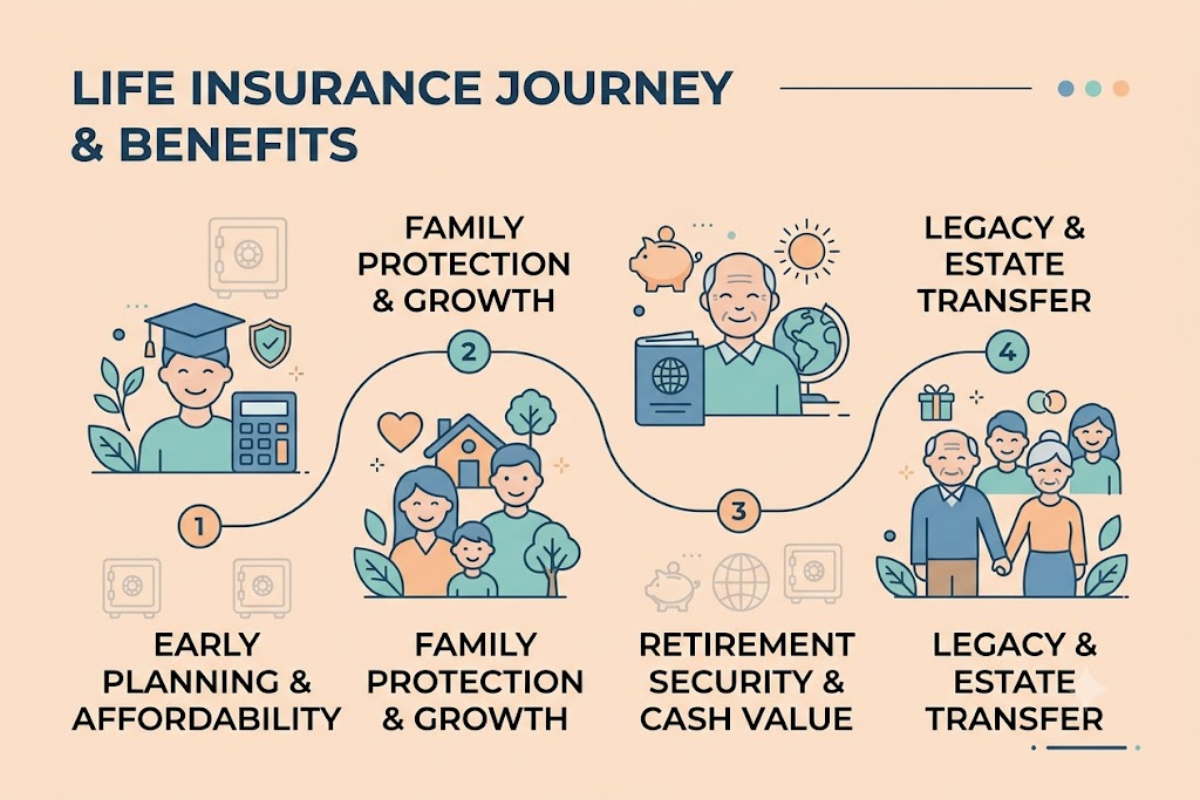
Life insurance is often viewed as something people can delay until later in life. However, waiting isn’t always the most cost-effective strategy. For many adults, purchasing life insurance before age 40 can provide financial protection while also locking in lower premiums. Whether it is worth buying depends on your personal circumstances, financial goals, and the people who rely on your income.
Here’s what to consider before making a decision.
Why age matters when buying life insurance
One of the biggest factors affecting life insurance premiums is age. In general, younger applicants pay less because they are statistically less likely to develop serious health conditions or pass away during the policy term.
Buying coverage in your 20s or 30s may allow you to:
- Lock in lower monthly premiums
- Qualify more easily while in good health
- Maintain coverage during major life milestones
- Protect your family’s financial future
Since many policies keep the same premium for the duration of the term, purchasing earlier can result in significant long-term savings.
When life insurance makes sense before 40
Life insurance becomes especially valuable when other people depend on your financial support.
Common situations where buying before 40 is often worth considering include:
You have children
Parents often purchase life insurance to help ensure their children would have financial support if something unexpected happened. A policy can help cover daily living expenses, childcare, education costs, and future financial needs.
You’re married or have a partner
If your spouse or partner relies on your income to pay household expenses, a life insurance payout can help replace lost income and provide financial stability during a difficult time.
You own a home
Many homeowners choose coverage that could help surviving family members continue making mortgage payments without immediately facing financial hardship.
You have significant debts
Student loans, personal loans, business obligations, or other financial commitments may leave loved ones with additional responsibilities if you were no longer able to contribute financially.
You own a business
Business owners often use life insurance as part of succession planning or to protect business partners and employees from financial disruption.
Situations where you may need less coverage
Not everyone under 40 needs a large life insurance policy.
If you’re single, have no dependents, rent your home, and have sufficient savings, your immediate need for life insurance may be lower. Some employers also provide group life insurance benefits that offer a basic level of protection.
However, employer-provided coverage may not always be enough and often ends if you change jobs.
Understanding the main types of life insurance
Choosing the right type of policy is just as important as deciding when to buy.
Term life insurance
Term life insurance provides coverage for a specific period, such as 10, 20, or 30 years. If you pass away during the policy term, your beneficiaries generally receive the death benefit.
Many families choose term life because it often offers higher coverage amounts for lower premiums compared with permanent policies.
Permanent life insurance
Permanent life insurance is designed to remain in force for your lifetime as long as required premiums are paid. Some policies also build cash value that may grow over time.
While permanent coverage can provide additional financial planning benefits, it typically costs more than comparable term policies.
Health can affect both eligibility and price
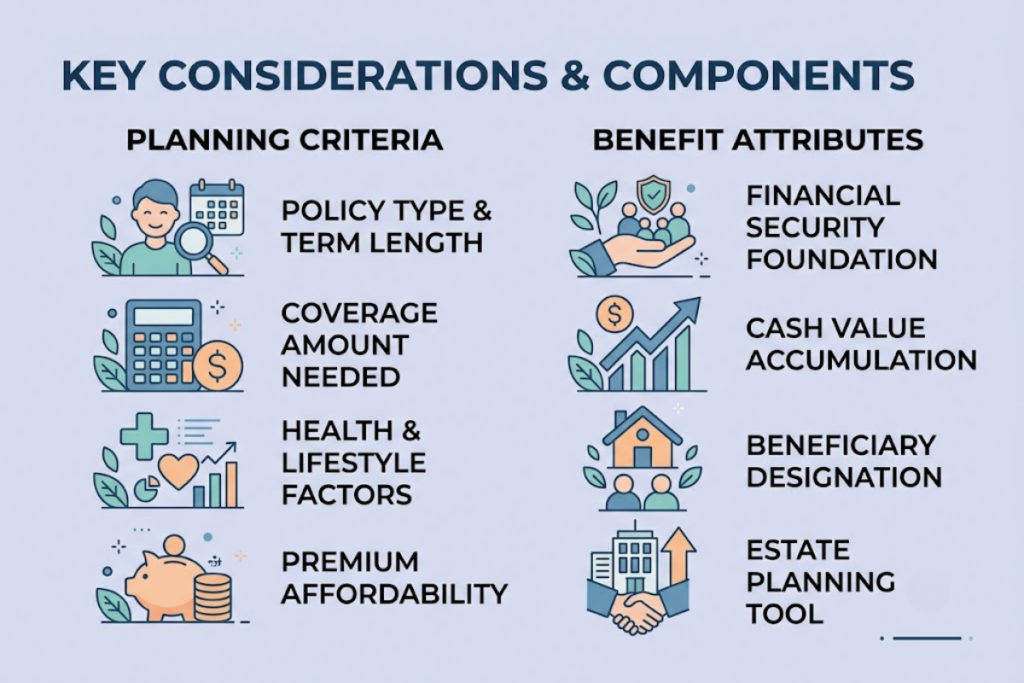
Insurance companies evaluate several factors when determining premiums, including:
- Age
- Overall health
- Smoking status
- Family medical history
- Occupation
- Lifestyle and hobbies
Even small health changes over time may increase premiums. Purchasing coverage while you’re younger and healthier may help you qualify for more favorable rates.
How much coverage should you consider?
There’s no universal amount that fits everyone.
Many financial professionals suggest evaluating:
- Annual household income
- Outstanding mortgage balance
- Future education expenses
- Existing savings and investments
- Current debts
- Ongoing family living expenses
The goal is to estimate how much financial support your loved ones would need if your income were no longer available.
Questions to ask before buying
Before purchasing a policy, consider asking yourself:
- Does anyone depend on my income?
- Would my family struggle financially without me?
- How much debt would remain?
- Could my savings cover major expenses?
- Do I expect my financial responsibilities to grow over the next decade?
Your answers can help determine whether now is the right time to purchase coverage.
The bottom line
For many adults, buying life insurance before age 40 can be a financially smart decision. Younger applicants often qualify for lower premiums, making long-term coverage more affordable. If you have a spouse, children, a mortgage, or anyone who depends on your income, purchasing coverage earlier may provide valuable financial protection and greater peace of mind.
That said, life insurance isn’t one-size-fits-all. The right policy depends on your financial obligations, long-term goals, and overall situation. Taking time to compare policy types, coverage amounts, and insurers can help you choose protection that fits your needs both today and in the years ahead.