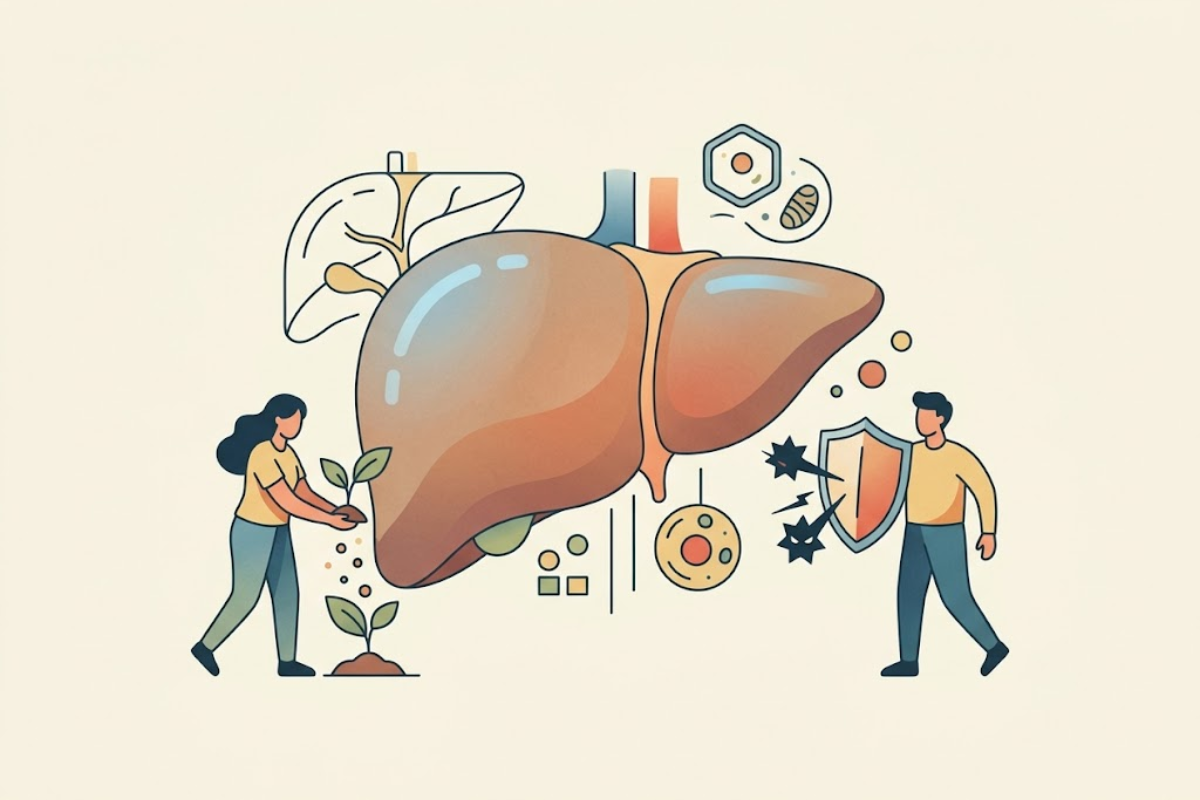
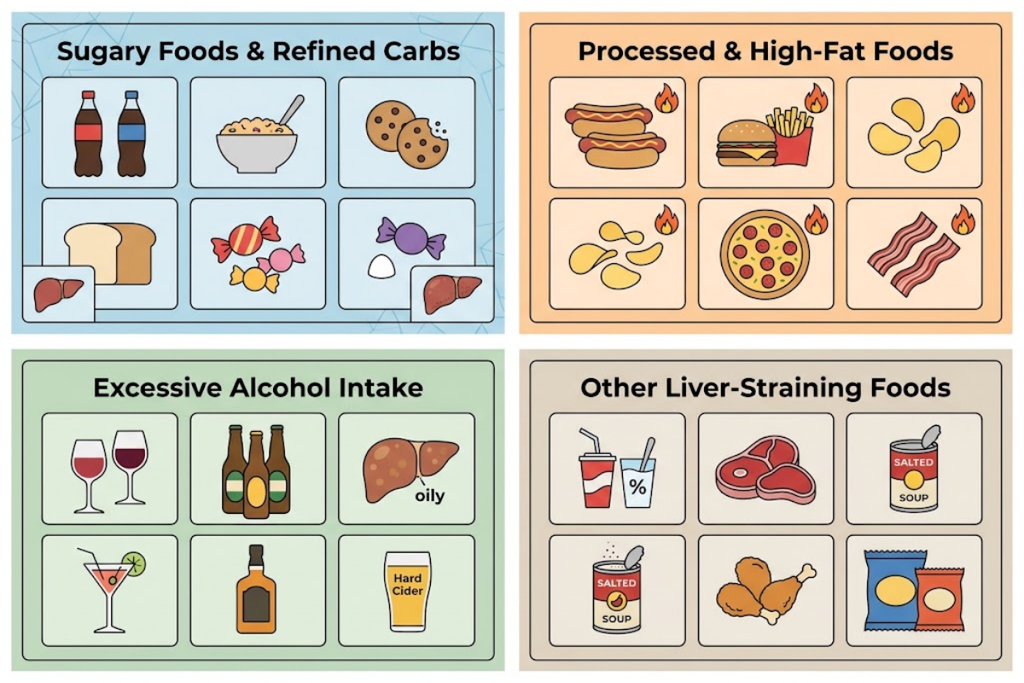
Foods bad for liver health are usually those eaten frequently that contain substantial added sugar, saturated fat, refined carbohydrates, or alcohol. Your liver processes nutrients, regulates metabolism, and handles substances your body must break down or remove. What you eat regularly can affect how much fat accumulates in the liver and can influence your overall metabolic health. Foods high in added sugar, saturated fat, refined carbohydrates and alcohol tend to be the bigger concerns.
That doesn’t mean you need to completely eliminate every food on this list. Frequency, portion size and your overall eating pattern matter. Here are 10 everyday foods and drinks worth keeping an eye on.
Foods bad for liver health: sugary cereals
A bowl of cereal can look like a quick, harmless breakfast, but some varieties contain substantial amounts of added sugar and refined carbohydrates. Eating these foods frequently can make it harder to manage blood sugar, calorie intake and body weight — factors associated with metabolic dysfunction-associated steatotic liver disease (MASLD).
Choose oatmeal or a whole-grain cereal with little or no added sugar more often. It may also help to recognize the hidden calories in popular breakfast foods.
2. Bacon and Sausage
Bacon, sausage and similar processed meats can pack plenty of saturated fat and sodium into a relatively small serving. Regular consumption of processed and red meats has been linked with dietary patterns that aren’t favorable for liver health.
Try rotating in eggs, beans, fish or skinless poultry instead.
3. French Fries
French fries combine several things that can work against a liver-friendly diet: refined potatoes, added fat and often a hefty amount of sodium. Regularly eating fried foods can also make it easier to consume more calories than intended.
Baked potatoes, roasted vegetables, or air-fried potatoes can make an easier everyday substitute. See whether air-fried foods are healthier than deep-fried options.
4. Soda and Other Sugary Drinks
Liquid sugar can add a surprising number of calories without making you feel as full as solid food. Soda, sweet tea, energy drinks and many fruit drinks can contain substantial amounts of added sugar or fructose. Mayo Clinic recommends limiting sugary beverages when managing or reducing the risk of MASLD.
Water, unsweetened tea and plain coffee make simpler choices for regular hydration.
5. Doughnuts and Packaged Pastries
Doughnuts, muffins, packaged pastries and similar baked goods often combine refined flour, added sugar and saturated fat. They can be particularly easy to overeat because they’re calorie-dense and don’t provide much fiber.
An occasional pastry doesn’t automatically make for a problem. The bigger concern comes when these foods become a routine breakfast or snack.
6. White Bread
White bread may seem like an ordinary pantry staple, but it contains refined carbohydrates and generally provides less fiber than whole-grain bread. The American Liver Foundation recommends choosing whole grains over refined carbohydrates such as white bread, white rice and regular pasta.
Look for bread labeled 100% whole wheat or another whole grain as a regular alternative.
7. Full-Fat Ice Cream
Ice cream can deliver a combination of saturated fat and added sugar in a relatively small serving. Eating it frequently, particularly in large portions, can add substantial calories to the diet.
You don’t necessarily have to give up dessert. Smaller portions or options based on fruit and lower-fat dairy can reduce the overall load.
8. Fast-Food Burgers
A burger itself isn’t automatically bad for the liver. The bigger issue often comes from the entire meal: a fatty meat patty, refined bun, cheese, fries and a sugary drink.
Frequent meals built around saturated fat and highly processed ingredients can make maintaining a liver-friendly eating pattern harder.
9. Sweetened Yogurt
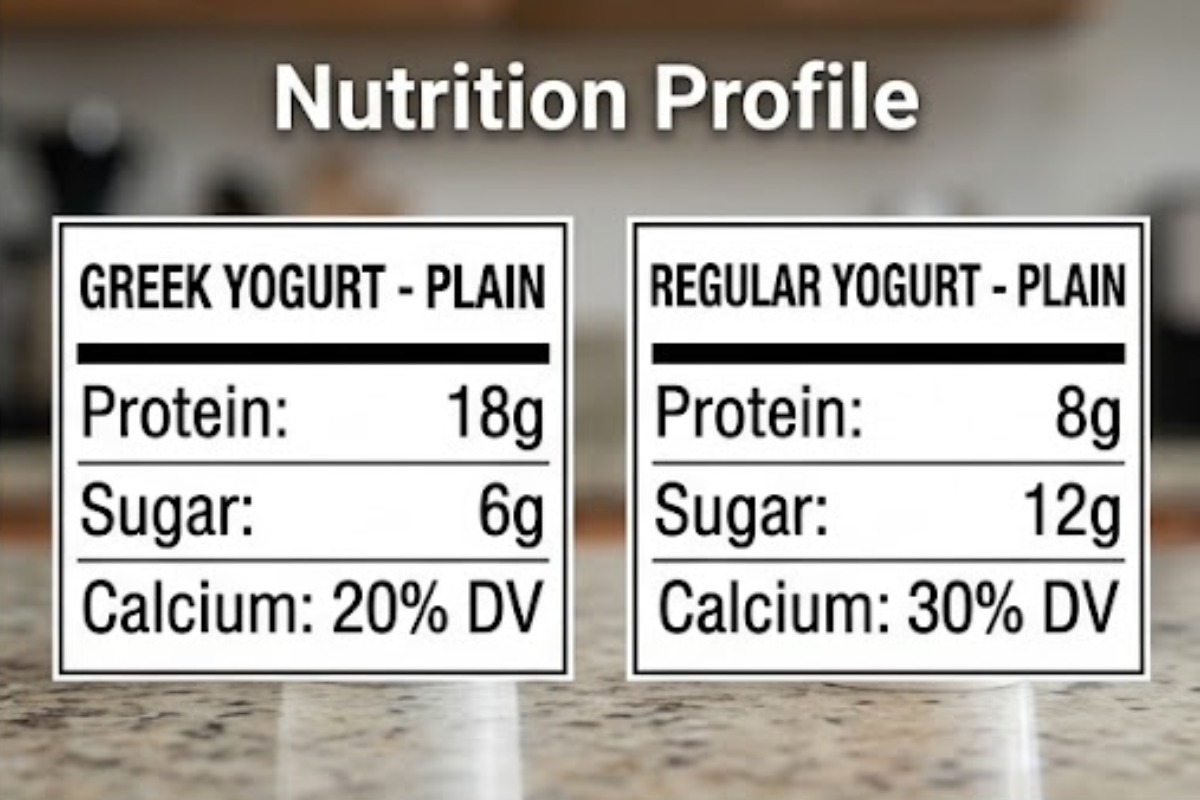
Yogurt can fit comfortably into a healthy diet, but flavored varieties can contain considerable added sugar. A better everyday option may be plain Greek or regular yogurt topped with berries, nuts, or a small amount of fruit. Compare Greek yogurt versus regular yogurt before choosing.
For more background on liver fat accumulation, see fatty liver disease.
10. Alcohol
Alcohol deserves its own category because the liver breaks it down directly. Regular or heavy drinking can cause fat accumulation, inflammation and liver injury. People who already have liver disease may need to avoid alcohol altogether.
For another useful overview of foods associated with liver health, see Cleveland Clinic’s guide to foods for a healthy liver.
The Bigger Picture
You don’t need to view liver-friendly eating as a list of forbidden foods. A pattern built around vegetables, fruit, whole grains, beans, nuts, fish, lean proteins and healthier unsaturated fats gives you more room for occasional treats.
For everyday meals, cutting back on sugary drinks, heavily processed foods, refined carbohydrates and foods high in saturated fat can be a practical place to start. Small changes to foods you eat repeatedly can add up without requiring an entirely different diet. Pairing fewer foods bad for liver health with more foods that support liver health is a practical approach.
One thought on “10 Everyday Foods That May Be Harder on Your Liver Than You Think”