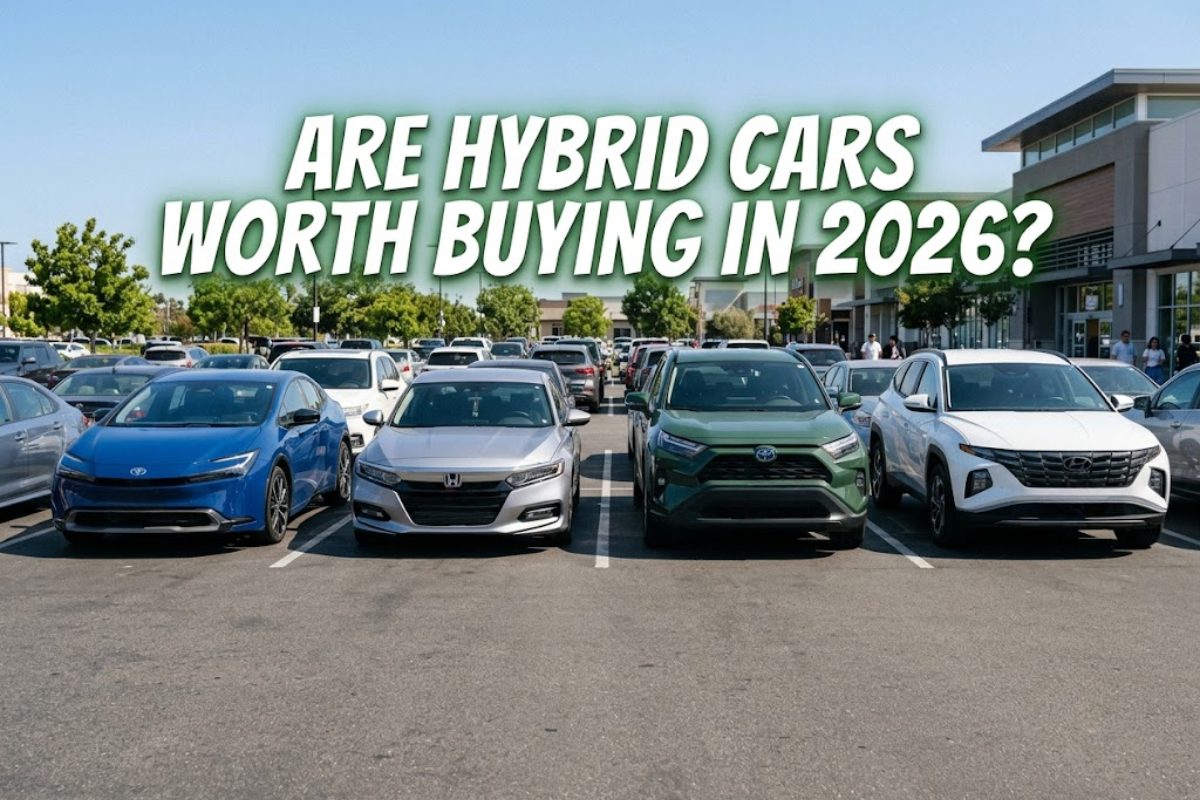
As the automotive industry continues to evolve, hybrid vehicles remain a practical option for many drivers. While fully electric vehicles (EVs) continue to gain popularity, hybrids offer a middle ground by combining a gasoline engine with an electric motor. For buyers who want improved fuel efficiency without depending entirely on charging infrastructure, hybrid cars continue to make a compelling case in 2026.
Whether a hybrid is worth buying depends on your driving habits, local fuel prices, and long-term ownership plans. Understanding the advantages and trade-offs can help determine if a hybrid vehicle fits your needs.
How hybrid cars work
Hybrid cars use both an internal combustion engine and an electric motor powered by a battery. Depending on driving conditions, the vehicle automatically switches between these power sources or uses both simultaneously.
There are several types of hybrid systems available:
- Traditional hybrids (HEVs): Recharge the battery through regenerative braking and the gasoline engine. No external charging is required.
- Plug-in hybrids (PHEVs): Include a larger battery that can be charged from an electrical outlet, allowing for longer electric-only driving before switching to gasoline.
- Mild hybrids: Use a smaller electric motor to assist the gasoline engine but cannot drive solely on electric power.
Each option offers different levels of fuel savings and driving experience.
Benefits of buying a hybrid in 2026
Better fuel economy
One of the biggest reasons people choose hybrid vehicles is improved fuel efficiency. The electric motor helps reduce fuel consumption during stop-and-go traffic, city driving, and low-speed acceleration.
Drivers who frequently commute through urban areas often notice greater savings at the fuel pump compared with conventional gasoline vehicles.
Lower emissions
Hybrid cars generally produce fewer tailpipe emissions than comparable gasoline models. While they are not emissions-free like battery electric vehicles, they reduce fuel consumption and carbon emissions during everyday driving.
For environmentally conscious buyers who are not ready to switch entirely to an EV, hybrids offer a practical compromise.
No charging anxiety
Unlike fully electric vehicles, standard hybrids do not require charging stations. The battery automatically recharges while driving through regenerative braking and engine power.
This makes hybrids especially attractive for drivers who:
- Live in apartments without home charging.
- Frequently travel long distances.
- Live in areas with limited public charging infrastructure.
Comfortable transition toward electrification
Many drivers are interested in electric vehicles but remain uncertain about charging availability, battery range, or ownership costs.
A hybrid allows buyers to experience electric-assisted driving while maintaining the familiarity and convenience of gasoline refueling.
Potential drawbacks
Higher purchase price
Hybrid vehicles often cost more upfront than comparable gasoline models. Although fuel savings can offset part of the difference over time, buyers should calculate expected annual mileage before assuming the additional cost will pay for itself.
Drivers covering fewer miles each year may take longer to recover the higher purchase price.
Battery replacement concerns
Modern hybrid batteries are designed to last many years and often exceed 150,000 miles with proper maintenance. However, replacement costs remain a consideration once the vehicle reaches higher mileage.
Fortunately, battery technology has continued to improve, making failures less common than many early buyers feared.
Maintenance can be different
Hybrid vehicles contain both conventional engine components and electrical systems. While regenerative braking often reduces brake wear, servicing hybrid-specific components may require technicians trained to work on high-voltage systems.
Routine maintenance remains similar to gasoline vehicles, but specialized repairs can sometimes cost more.
Who benefits most from a hybrid?
Hybrid vehicles tend to provide the greatest value for:
- Daily commuters with frequent city driving.
- Families seeking lower fuel expenses.
- Drivers who keep vehicles for several years.
- Buyers who cannot install home EV charging.
- Long-distance travelers wanting excellent fuel economy without charging stops.
Drivers who spend nearly all of their time on highways may see smaller fuel economy improvements compared with city commuters.
Hybrid vs. plug-in hybrid vs. electric vehicle
Choosing between these options depends largely on driving habits.
A traditional hybrid works well for buyers seeking better fuel efficiency with minimal lifestyle changes.
A plug-in hybrid offers greater electric driving capability and can significantly reduce gasoline usage if charged regularly.
A fully electric vehicle may deliver the lowest operating costs for drivers with reliable charging access and predictable daily travel distances, but charging availability and longer trip planning remain considerations for some owners.
Ownership costs
When evaluating long-term value, it’s important to consider more than the sticker price.
Potential savings may include:
- Reduced fuel expenses.
- Less brake wear due to regenerative braking.
- Strong resale demand for popular hybrid models.
- Lower emissions-related operating costs in some regions.
Insurance costs, financing rates, maintenance schedules, and available incentives can also influence the total cost of ownership.
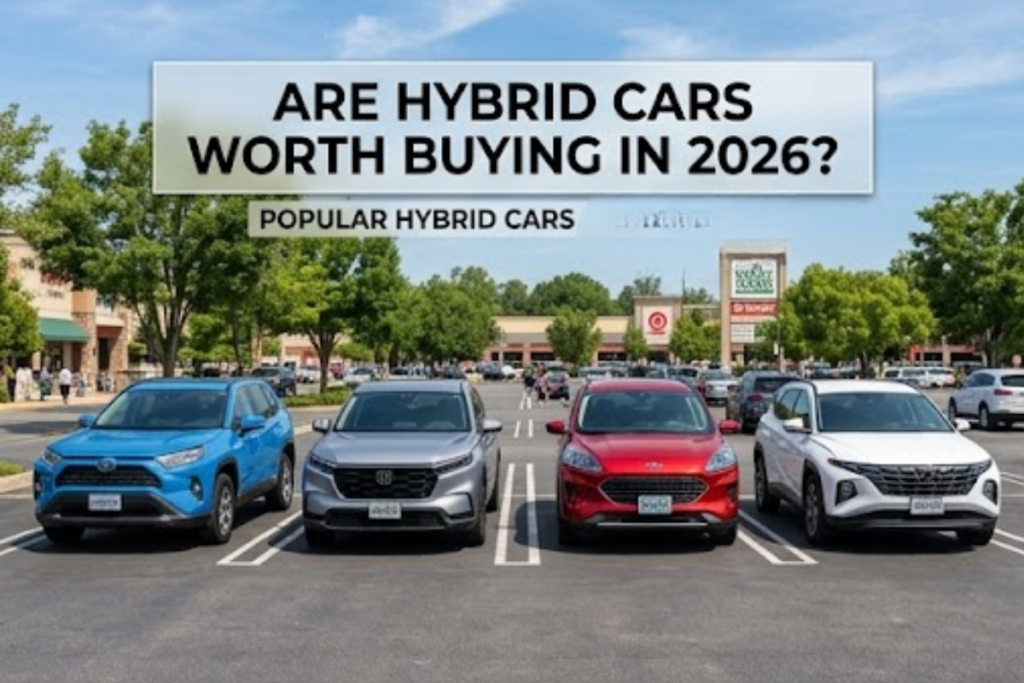
Is a hybrid worth buying in 2026?
For many buyers, the answer is yes. Hybrid technology has matured significantly, offering dependable performance, improved fuel economy, and lower emissions without requiring major lifestyle adjustments.
A hybrid is particularly attractive for drivers who want to reduce fuel costs while avoiding concerns about charging infrastructure. Although the purchase price may be higher than a comparable gasoline vehicle, long-term savings and convenience often make hybrids a worthwhile investment.
Ultimately, the best choice depends on your driving patterns, budget, and access to charging. If you’re not quite ready to make the leap to a fully electric vehicle, a hybrid remains one of the most balanced and practical automotive options available in 2026.