Expensive skincare products are not automatically more effective, even though a beauty-store price tag can suggest otherwise. A $150 moisturizer can look more sophisticated than a $15 one, especially when it comes in heavy packaging with a long ingredient list and promises about smoother, brighter, younger-looking skin.
But skincare doesn’t always work that way. A higher price can come from packaging, branding, marketing, research, specialty ingredients, or simply the name on the bottle. Your skin may not notice the difference.
Expensive skincare products: ingredients matter most
The first thing to check on an expensive product: what actually goes into it?
Ingredients such as retinoids, vitamin C, niacinamide, salicylic acid, azelaic acid and certain moisturizers can have well-established uses in skincare. Their presence may tell you more about what a product can do than its price.
Two creams can cost dramatically different amounts while relying on similar moisturizing ingredients. If the formulas perform similarly for your skin, paying extra may not give you much in return. Our guide to dry skin causes and simple improvements can help identify what your routine needs.
That doesn’t mean every expensive product has an inexpensive equivalent. Some formulas use specialized ingredients, more sophisticated delivery systems or unusual combinations that can justify a higher price. The point: don’t assume the cost tells you how effective the formula will be.
2. Luxury packaging doesn’t improve your skin
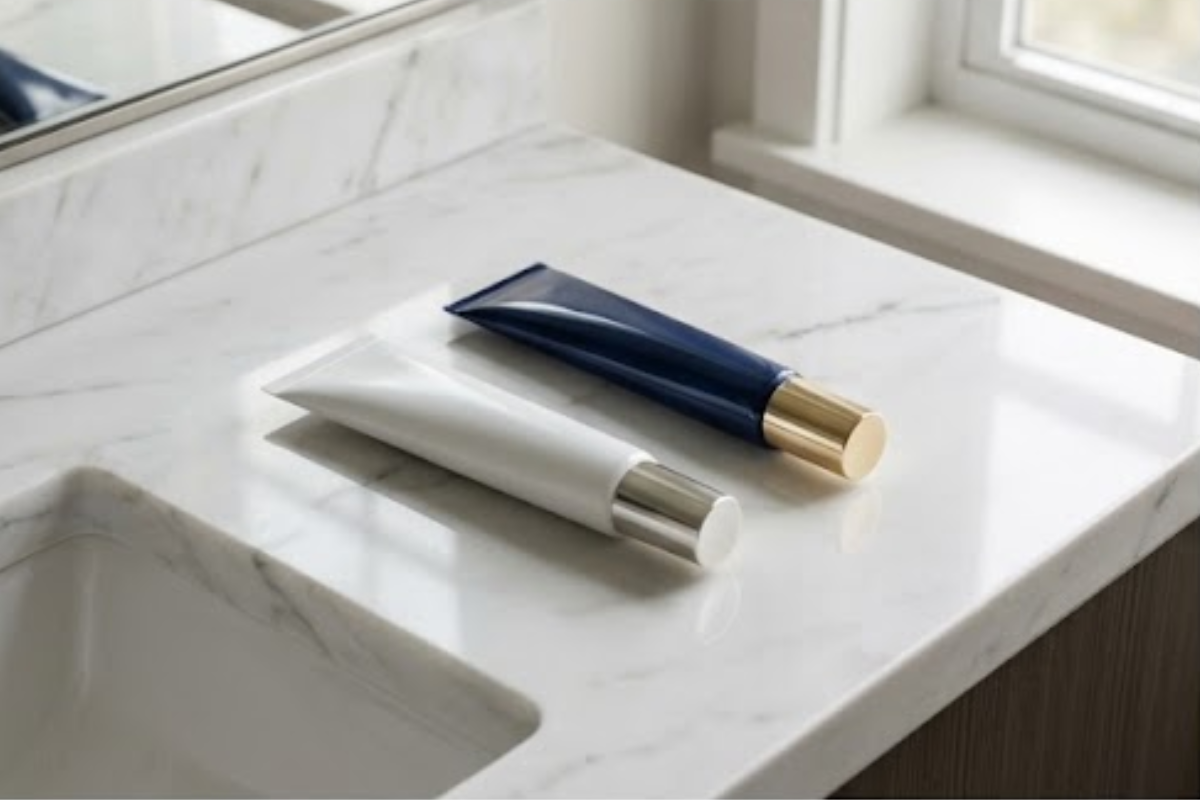
Glass jars, metallic containers, magnetic lids and elaborate boxes can make a product feel special. They also add to manufacturing and packaging expenses.
Your skin, however, doesn’t care whether a moisturizer arrives in a $5 tube or a beautifully designed glass jar.
Packaging can still matter for practical reasons. Airless pumps may reduce exposure to air and help protect certain formulas. Opaque containers can also help protect light-sensitive ingredients. Those differences can matter more than appearance.
3. A long ingredient list isn’t automatically better
More ingredients can sound impressive, but skincare doesn’t work like a shopping list.
A formula containing dozens of botanical extracts, peptides, oils and antioxidants isn’t automatically more effective than a simpler product with five or six well-chosen ingredients.
In fact, adding more ingredients can increase the chance of irritation for people with sensitive skin. A straightforward cleanser or moisturizer may perform perfectly well without an elaborate formula.
The goal should be finding ingredients that make sense for your particular skin concerns rather than counting how many appear on the label.
4. Some expensive products mainly sell the experience
There’s nothing wrong with paying for a pleasant skincare experience. Texture, fragrance, packaging and the feeling of using a product every morning can have real appeal.
The problem comes when those features get confused with proven skincare benefits.
A silky cream with a luxurious scent may feel fantastic but still deliver similar moisturizing results to a much cheaper fragrance-free cream. If you’re buying it because you enjoy using it, the price may feel worthwhile. If you’re expecting dramatic changes in wrinkles, pigmentation, or acne, expectations should come from the formula rather than the presentation. See what may actually help reduce the appearance of wrinkles.
5. Serums can create sticker shock
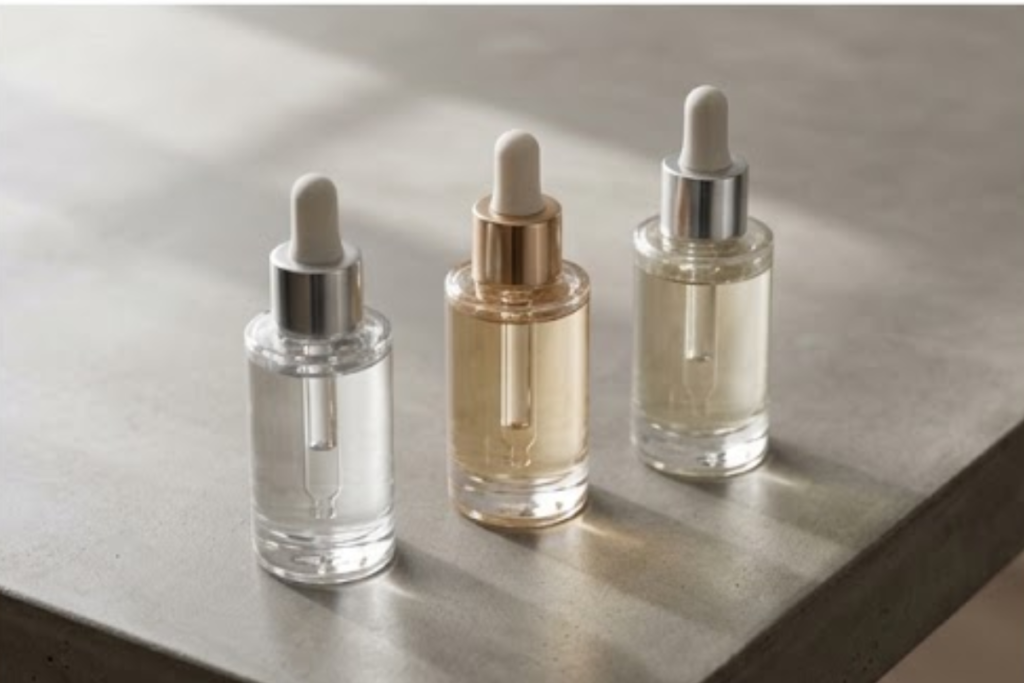
Serums often carry some of the biggest price differences in skincare.
A product containing a well-known active ingredient might cost $20 from one brand and $100 from another. The more expensive option could have a different concentration, formulation or stability profile, but the price alone doesn’t prove that it will produce better results.
Pay attention to the active ingredient, concentration when disclosed, formulation and how your skin responds.
A cheaper serum that you consistently use may also make more sense than an expensive one that sits unused because you don’t want to replace it.
6. More expensive doesn’t mean irritation-free
Premium skincare can still cause redness, dryness, breakouts or stinging.
Strong active ingredients can irritate skin regardless of how much the product costs. Fragrance and certain botanical ingredients can also bother some people.
Introducing one new product at a time makes it easier to figure out what your skin tolerates. Spending more doesn’t remove the need to pay attention to how a product feels and behaves on your skin.
7. The best skincare routine may be surprisingly simple
You don’t necessarily need a shelf full of luxury products.
For many people, a basic routine can center around a gentle cleanser, moisturizer, and sunscreen, with targeted products added for specific concerns. These tips to make skin look smoother without expensive treatments offer practical alternatives.
That approach can also make it easier to identify which products actually help. If you’re using eight different serums and creams, figuring out what caused an improvement—or an irritation—gets much harder.
Expensive skincare can certainly be worth buying when you enjoy the formula, tolerate it well and believe the results justify the price. But the price tag shouldn’t be treated as proof of superior performance.
Before spending $100 or more on a cream or serum, compare the ingredients, purpose and formula with less expensive alternatives. Sometimes the biggest difference between two expensive skincare products sits on the shelf rather than on your skin.