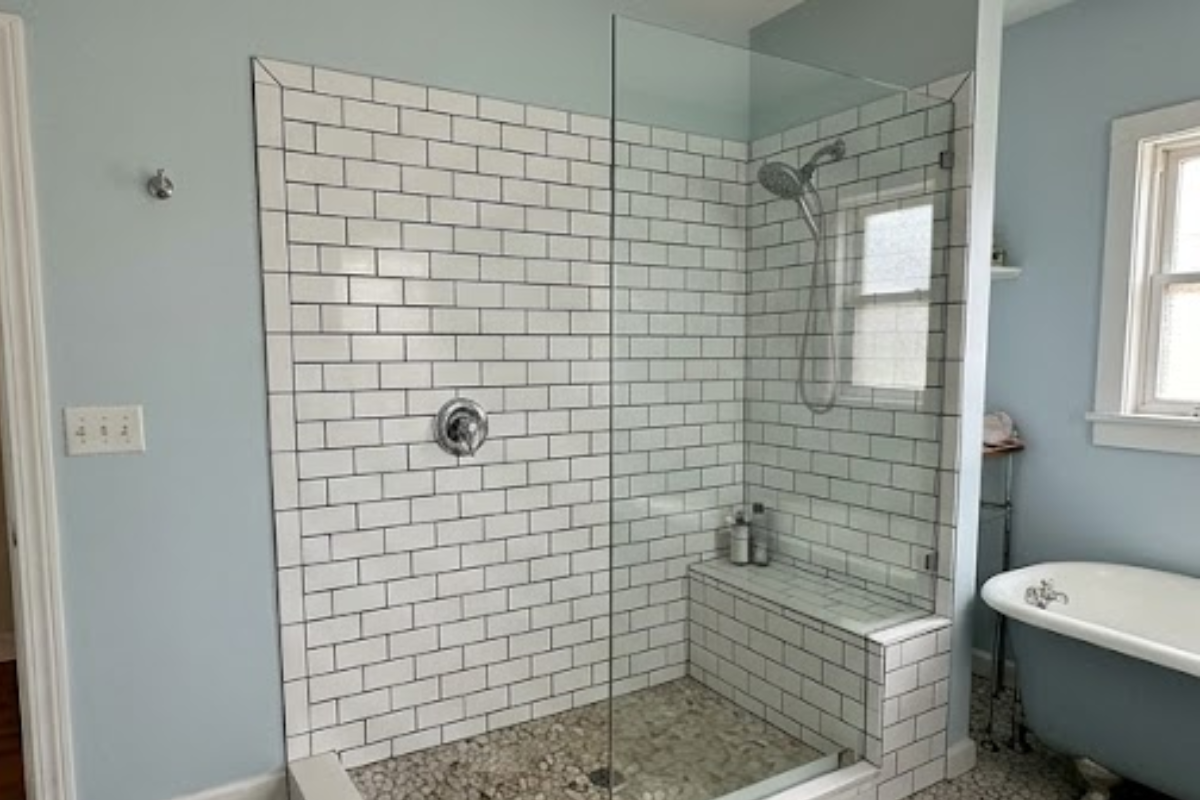
A bathroom remodel often starts with one question: should the old bathtub stay, or would a walk-in shower make better use of the space? For many homeowners, the answer depends on daily habits, budget, and long-term plans rather than design trends alone.
Walk-in showers have become a common choice in both new homes and renovations. Their clean appearance, easier access, and flexible layouts appeal to a wide range of homeowners. Still, they are not the right fit for every household. Before removing a tub or changing the bathroom layout, it’s worth looking at both the benefits and the trade-offs.
Why many homeowners choose walk-in showers
One of the biggest reasons people make the switch comes down to convenience. Stepping into a shower without climbing over a bathtub wall feels easier, especially for older adults or anyone with limited mobility. A curbless design can make entering and exiting even simpler.
Cleaning also becomes less of a chore in many cases. A glass enclosure and tiled walls usually require less scrubbing than a traditional tub with a shower curtain. Fewer corners and edges leave fewer places for soap residue to collect.
Many homeowners also enjoy the more open feel. Even a smaller bathroom can appear larger when a bulky tub disappears. Clear glass panels help the room feel less enclosed and allow natural or overhead lighting to spread throughout the space.
A remodel that fits different budgets
Walk-in showers come in many styles, making them suitable for different spending plans.
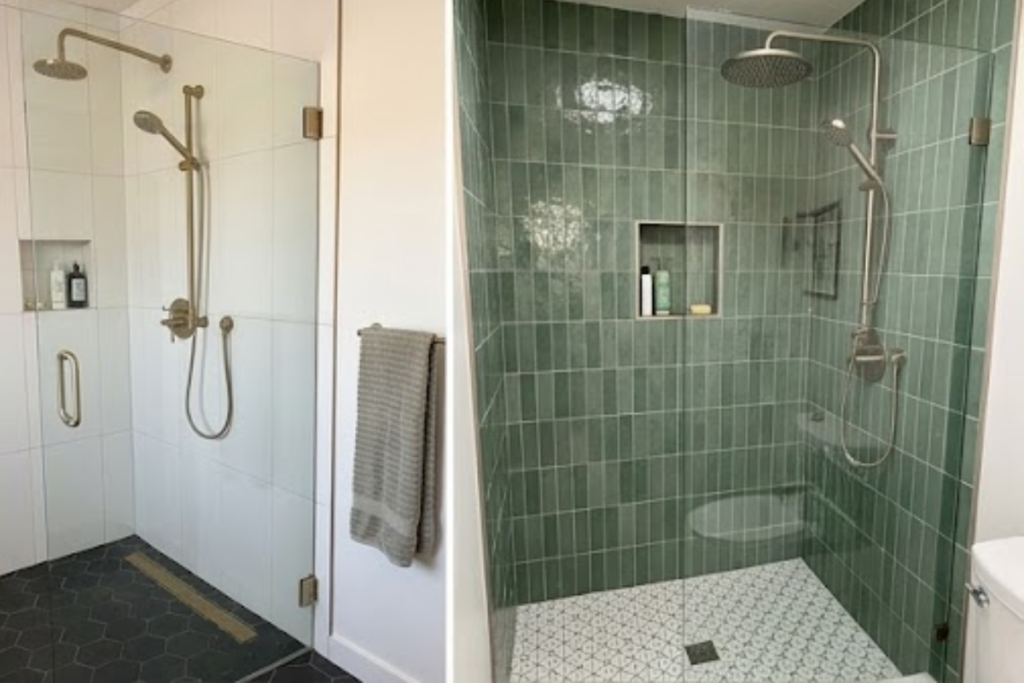
A basic remodel might include a prefabricated shower base, standard wall panels, and a simple glass door. A larger budget opens the door to custom tile, built-in benches, rainfall showerheads, recessed shelving, heated floors, and multiple spray options.
It’s easy to spend more than expected once upgrades begin, so deciding which features matter most before construction starts can help keep costs under control.
Better use of available space
Not every bathroom has room for both a separate tub and shower. Replacing a standard bathtub with a walk-in shower often creates a layout that feels less cramped.
Extra floor space can make everyday routines more comfortable. Some remodels also create room for wider vanities, additional storage, or larger entryways.
In compact bathrooms, every inch matters. A thoughtfully planned shower may improve the room’s flow without changing the home’s footprint.
Accessibility can make a difference
Many homeowners remodel with the future in mind rather than waiting until mobility becomes a concern.
Walk-in showers can include practical features like:
- Low or zero-threshold entry
- Grab bars
- Built-in seating
- Handheld showerheads
- Slip-resistant flooring
These additions can make bathing easier without giving the bathroom a clinical appearance. Many modern accessibility features blend naturally into contemporary designs.
Potential effect on home value
Bathroom updates often attract attention from buyers, but the impact varies by location and buyer preferences.
A well-built walk-in shower may appeal to buyers looking for a modern bathroom with everyday convenience. On the other hand, removing the home’s only bathtub may reduce interest from families with young children who prefer having a tub available.
If your house has multiple bathrooms, keeping at least one bathtub elsewhere in the home often provides more flexibility when it comes time to sell.
Things to consider before removing the tub
A walk-in shower works well for many households, but there are situations where keeping a bathtub makes more sense.
Parents with infants or young children often rely on a tub for bath time. Some homeowners simply enjoy soaking after exercise or at the end of a long day. Replacing the tub removes that option completely unless another bathroom includes one.
The remodel itself can also become more complicated than expected. Older homes sometimes require plumbing updates, waterproofing improvements, or repairs hidden behind existing walls. Those extra projects can increase both the timeline and the final cost.
Choosing materials that last
The appearance of a walk-in shower depends heavily on the materials selected.
Porcelain tile remains a popular option because it resists moisture and comes in many styles. Natural stone creates a different look but usually requires more maintenance. Solid surface panels reduce grout lines, making routine cleaning easier.
Glass doors also come in several finishes. Clear glass creates a more open appearance, while frosted or textured panels offer additional privacy.
Regardless of the material, proper waterproofing behind the finished surface matters just as much as the visible design.
So, are walk-in showers worth the remodel?
For homeowners who value easy access, simpler cleaning, and a more open bathroom layout, a walk-in shower often delivers lasting everyday benefits. It can refresh an older bathroom while making the space more comfortable to use.
At the same time, replacing the only bathtub may not suit every household. Families with young children or homeowners who regularly use a soaking tub may find fewer advantages in making the switch.
The best decision comes down to how the bathroom gets used today and how those needs might change over the next several years. Looking beyond appearance and focusing on daily routines usually leads to a remodel that continues to feel practical long after the construction dust settles.