Electricity bills rarely stay the same for long, which explains why more homeowners keep looking at solar power. A rooftop system can lower monthly expenses, reduce dependence on the grid, and even add value to a property. At the same time, installation costs, local weather, roof conditions, and available incentives all affect the final outcome.
For many households, the answer depends less on whether solar panels work and more on whether they make financial sense for a particular home.
Electricity usage matters more than panel size
Homes with high daytime electricity consumption often see the biggest return from solar. Air conditioning, electric water heaters, pool pumps, and home offices all increase power usage during daylight hours when solar panels generate the most electricity.
A household with modest energy needs may still benefit, but the savings usually take longer to recover the installation cost. Looking at the past 12 months of electricity bills gives a better picture than guessing future usage.
Roof condition can change the equation
Before installing solar panels, the roof deserves a careful inspection. Replacing an aging roof shortly after a solar installation adds extra labor because the panels must come off before roofing work begins.
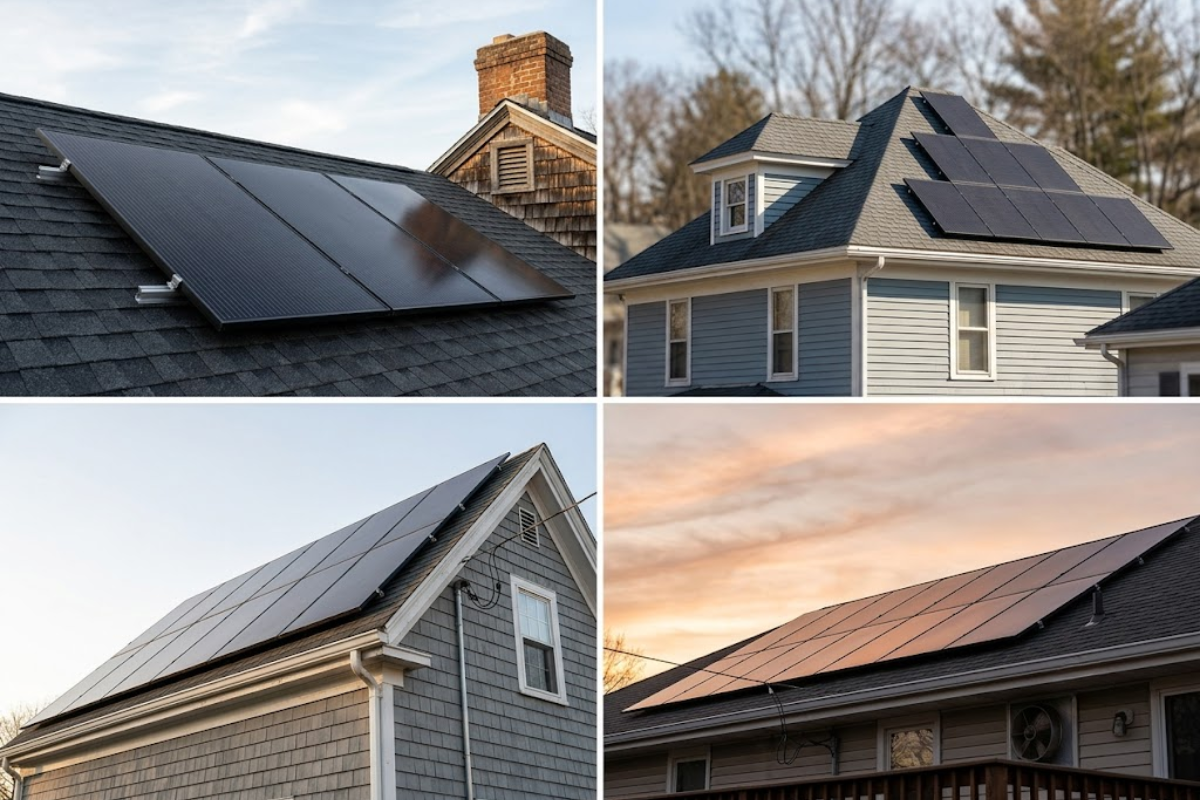
Roofs with good sun exposure and limited shade generally produce more electricity throughout the year. Trees, nearby buildings, chimneys, and roof angles can all reduce production. Even partial shade during peak sunlight hours affects overall output.
Battery storage isn’t always necessary
Many homeowners assume batteries come with every solar system, but plenty of installations operate without one.
A battery stores unused electricity for evening use or power outages. While convenient, batteries increase the total project cost. For households that consume most of their electricity during the day, a battery may not deliver enough extra savings to justify the expense.
On the other hand, homes that experience frequent blackouts or higher evening electricity rates may find battery storage more worthwhile.
Incentives can shorten the payback period
Government rebates, tax credits, and local utility programs often reduce the upfront cost of solar installation. These programs vary widely depending on where a property sits.
Some areas also allow homeowners to receive credit for sending unused electricity back to the power grid. The amount paid for exported electricity differs between utility providers, making it worth reviewing local rules before choosing a system size.
Maintenance stays relatively simple
Solar panels contain few moving parts, so routine maintenance usually involves occasional cleaning and periodic inspections.
Dust, leaves, bird droppings, and heavy pollen can reduce output over time. In regions with regular rainfall, nature handles much of the cleaning. Areas with dry climates may require more frequent washing to keep production close to expected levels.
Modern solar panels commonly carry long performance warranties, giving homeowners confidence that gradual output loss should remain within expected limits.
Installation costs have become more competitive
Solar equipment has changed considerably over the past decade. Higher panel efficiency means many homes can generate similar amounts of electricity using fewer panels than older systems required.
Installation prices still vary according to roof complexity, equipment quality, labor costs, and local regulations. Gathering several quotes often reveals meaningful differences in pricing and warranty coverage.
The cheapest proposal does not always produce the best long-term value. Installer experience, equipment quality, and customer support deserve equal attention.
Solar works better in some homes than others
Not every property makes an ideal candidate.
Solar panels tend to perform well for homeowners who:
- Own their property rather than rent.
- Plan to stay in the home for several years.
- Have a roof with good sun exposure.
- Pay relatively high electricity rates.
- Use a moderate to large amount of electricity each month.
Homes surrounded by tall trees or buildings may generate less electricity, reducing potential savings.
Home value may receive a boost
Many buyers appreciate lower electricity bills, particularly in markets where energy costs remain high. A professionally installed solar system can make a home more attractive to prospective buyers.
The effect varies by location and buyer demand, so homeowners should view resale value as a possible bonus rather than the main reason for installing solar.
Timing still matters
Waiting for electricity prices to drop rarely produces reliable savings because utility rates can move in either direction. Homeowners considering solar often benefit from comparing current installation costs with projected electricity expenses over several years instead of focusing only on today’s numbers.
Scheduling installation before major roof renovations or home additions also helps avoid unnecessary labor later.
Final thoughts
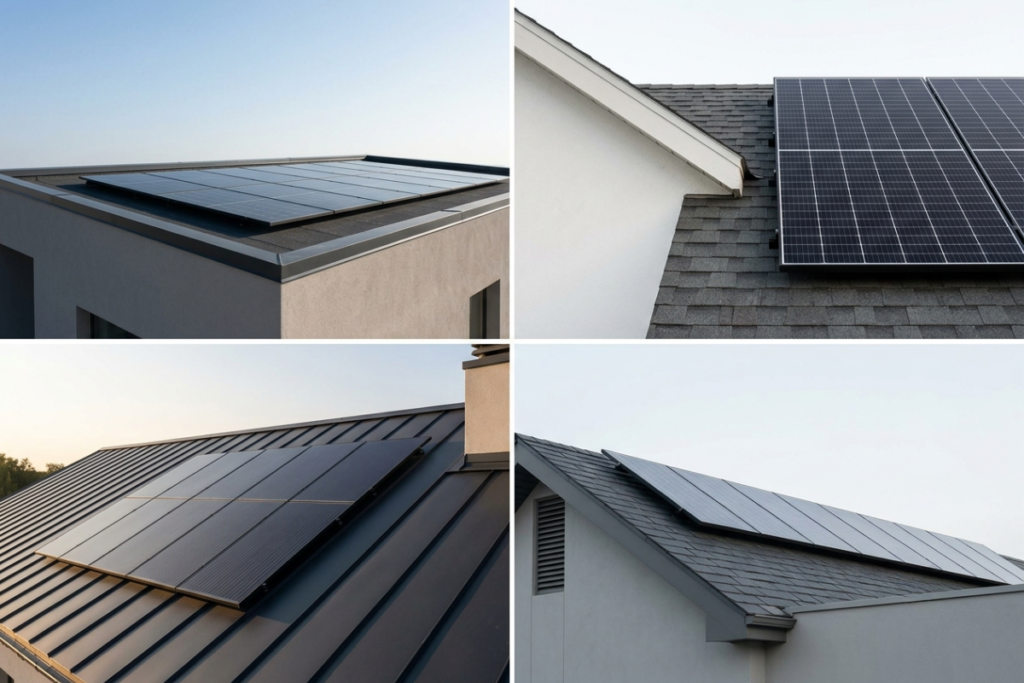
Solar panels make financial sense for many homeowners in 2026, though they do not deliver identical results for every property. Electricity usage, roof condition, local sunshine, available incentives, and installation costs all influence the final return.
Rather than asking whether solar panels pay off in general, the better question asks whether they fit a home’s energy habits and long-term plans. When those factors line up, the savings can continue long after the installation work has finished.