Cutting household energy use doesn’t always require new windows, solar panels, or a major renovation. Many homes waste energy through small gaps, inefficient habits, and equipment that works harder than necessary. A few simple changes around the house can reduce unnecessary consumption while keeping your home comfortable.
Energy conservation can involve both using energy more efficiently and changing everyday habits. Energy conservation
Here are several practical changes worth trying.
1. Seal Gaps Around Doors and Windows
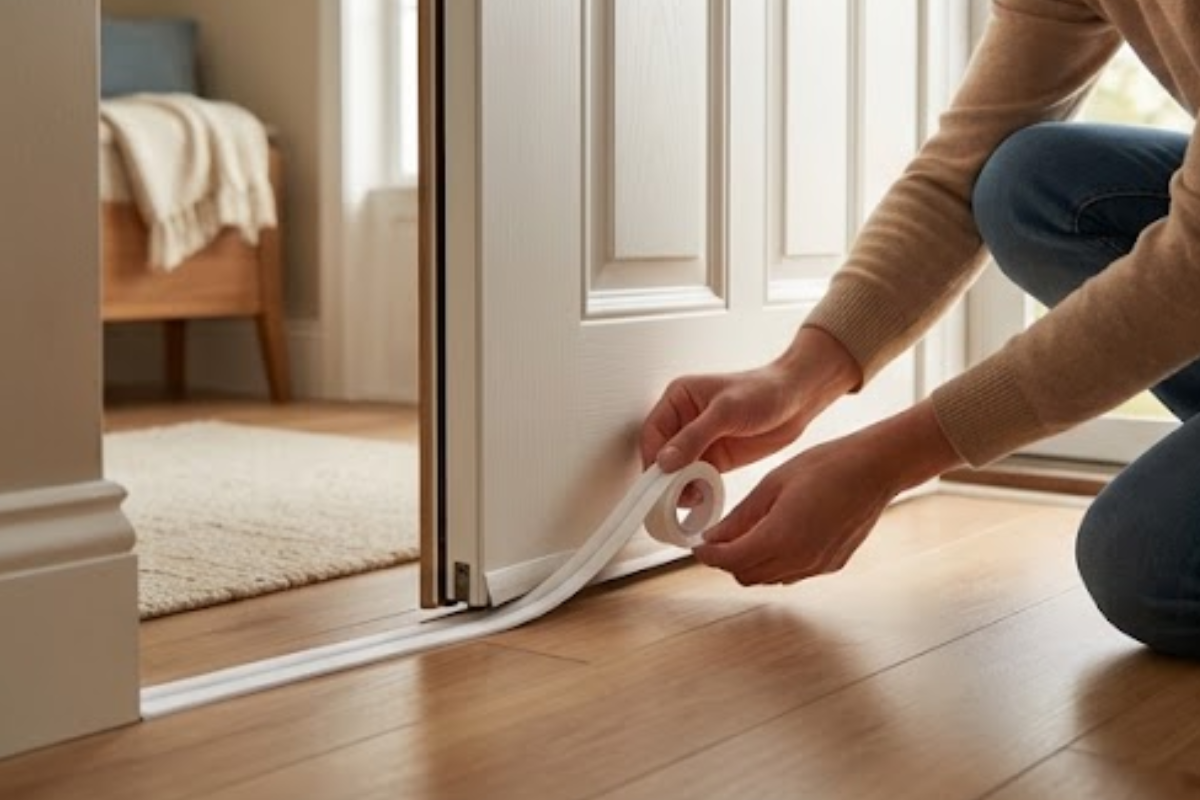
Small drafts around exterior doors, windows, baseboards, and other openings can make your heating and cooling system work harder. Weatherstripping around movable parts of doors and windows and caulk around stationary gaps can help reduce unwanted airflow.
The U.S. Department of Energy estimates that sealing uncontrolled air leaks can reduce heating and cooling bills by 10%–20%.
Walk around your home on a windy day and check for noticeable drafts. A door sweep can also help block air from entering underneath exterior doors.
2. Adjust the Thermostat When You’re Away
There’s little reason to heat or cool an empty house to the same temperature you prefer when everyone is home.
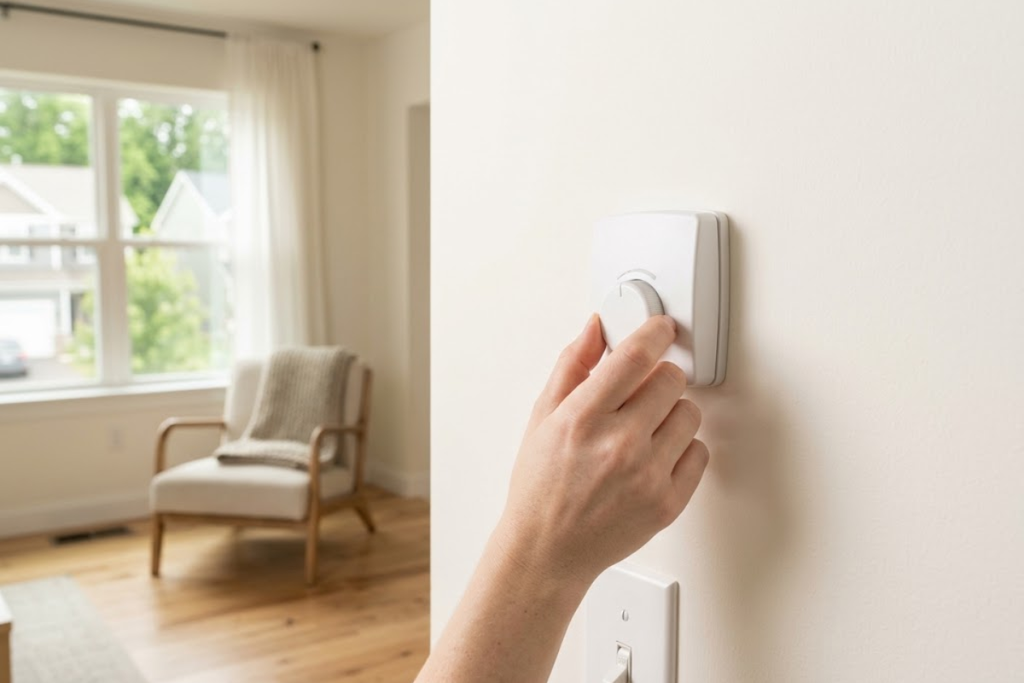
Try adjusting the thermostat when you leave for work, go to bed, or leave for several hours. Programmable and smart thermostats can automate these changes according to your schedule. The Department of Energy says reducing heating or cooling settings by 7–10 degrees for eight hours can save up to 10% a year on heating and cooling costs.
Even a basic schedule can prevent hours of unnecessary heating or cooling.
3. Replace Frequently Used Bulbs With LEDs
If your home still has incandescent bulbs, start with the lights that stay on for several hours each day.
LED bulbs use substantially less energy than traditional incandescent bulbs and typically last much longer. The Department of Energy says newer lighting technologies can reduce lighting energy use by 50%–75%.
You don’t have to replace every bulb at once. Swapping the most frequently used bulbs first can make the transition easier.
4. Keep Blinds and Curtains Working for You
Window coverings can help manage how much heat enters or leaves your home.
During hot summer afternoons, close blinds or curtains on windows receiving direct sunlight. In winter, opening curtains during sunny daytime hours can allow sunlight to warm rooms naturally, while closing them at night can reduce heat loss through windows.
This costs nothing and takes only a few seconds each day.
5. Replace or Clean HVAC Filters Regularly
A dirty HVAC filter can restrict airflow, forcing the system to work harder. Check your filter regularly, particularly during periods when your heating or air conditioning runs frequently.
The Department of Energy recommends checking central heating filters monthly and replacing them when dirty, with replacement at least every three months as a general minimum.
For homes with pets, dust, or heavy HVAC use, filters may need more frequent attention.
6. Unplug Electronics You Rarely Use
Some electronics continue drawing small amounts of electricity while plugged in, even when they’re switched off. Chargers, printers, gaming equipment, entertainment systems, and other devices can collectively create standby consumption.
Instead of unplugging everything individually, consider using a power strip for groups of electronics. You can switch the strip off when those devices aren’t needed.
The savings from one device may be small, but the habit becomes more useful when applied across several rooms.
7. Make Appliances Work Smarter
Simple changes to appliance use can also reduce energy consumption. Run the dishwasher and washing machine with full loads rather than several small loads. When possible, use energy-saving settings and allow clothes to air-dry instead of relying entirely on the dryer.
During hot weather, consider using heat-producing appliances such as ovens later in the evening. This can reduce the amount of heat added to the home during the hottest part of the day.
8. Keep Air Vents Clear
Furniture, rugs, curtains, and other objects can block heating and cooling vents. That can interfere with airflow and make it harder to distribute conditioned air throughout a room.
Take a quick walk around the house and check that supply vents and return-air grilles aren’t covered or blocked. This small housekeeping task can help your HVAC system circulate air more effectively.
9. Use Ceiling Fans Alongside Your HVAC
Fans don’t actually lower the temperature of a room, but they can make people feel cooler by moving air across the skin. That can allow you to set the air conditioner a little higher while maintaining a comfortable feel.
Remember to turn fans off when nobody is using the room. A fan cools people, not an empty space.
10. Start With the Easiest Changes
You don’t need to tackle every energy-saving project in one weekend. Start with changes that cost little or nothing: adjust the thermostat, close blinds during intense afternoon sun, replace dirty filters, turn off unused lights, and seal obvious drafts.
For more ideas, The Spruce’s home energy-saving tips covers several additional ways to improve household efficiency.
Small habits can add up when they become part of the normal household routine. The best place to start may simply be a walk through the house looking for lights, electronics, drafts, and appliances that are using energy when they don’t really need to.